

Reading Bedtime Stories to a Baby: When to Start and What to Read
By the Wonderbin team · November 12, 2026
A baby cannot follow a plot, so it is fair to wonder what a bedtime story is for. The answer is that at this age the story is mostly you: a familiar voice, a slow rhythm, a warm lap and the same small ritual at the end of every day. None of that needs a plot.
When to start
Whenever you like. Many parents begin in the first weeks, others wait until the baby is sitting up and grabbing at pages. Neither is late. Paediatric guidance generally encourages reading aloud early and often, and the bedtime slot is a convenient one because it is already part of the day.
What a baby actually gets from it
- Your voice, close and calm. The tone matters far more than the words. A slow, low reading voice is a signal that the day is winding down.
- Rhythm and repetition. Babies tune into the music of language long before its meaning, which is why rhymes and repeated phrases land so well.
- A predictable end to the day. The same book, the same lamp, the same few minutes. The routine does the sleepy work.
- Closeness without demands. Nobody has to answer questions or sit still. They can look, wriggle, chew the corner of the book or stare at the ceiling.
How to keep it short and easy
- Two to five minutes is plenty. Stop when the baby loses interest or begins to doze; you are not obliged to reach the last page.
- Dim the room first. A low lamp and a quiet room tell a baby more than any book can.
- Use the pictures, not just the words. Point, pause, then turn the page slowly. Plain, softly drawn images are easier for small eyes than busy ones.
- Repeat the same few books. Familiarity is the point, and it is good news for tired parents.
- Read quietly, then stop. If you feel yourself nodding off, put the baby down in their cot rather than falling asleep together on the sofa or in an armchair.
Can you read stories meant for older children?
Yes, with one adjustment: read for the sound, not the plot. A story written for a three- or four-year-old is longer than a baby needs, so read a page or two, or paraphrase in a slow murmur. Look for texts with a gentle cadence, soft night-time settings and nothing sudden. Most of our stories were written for older listeners, so treat the picks below as material for your voice rather than for the baby’s comprehension.
Soft, slow stories to borrow a page or two from
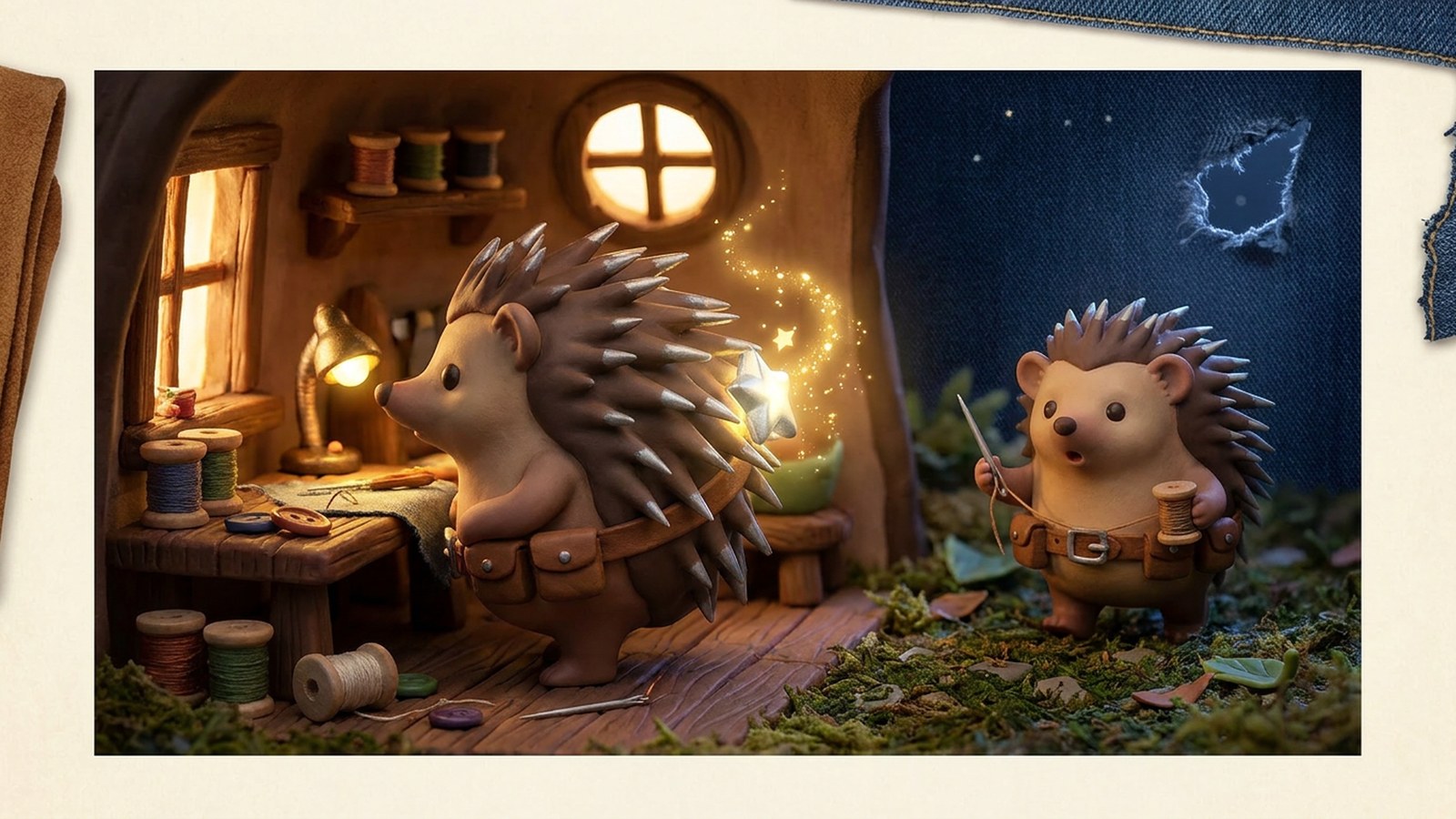

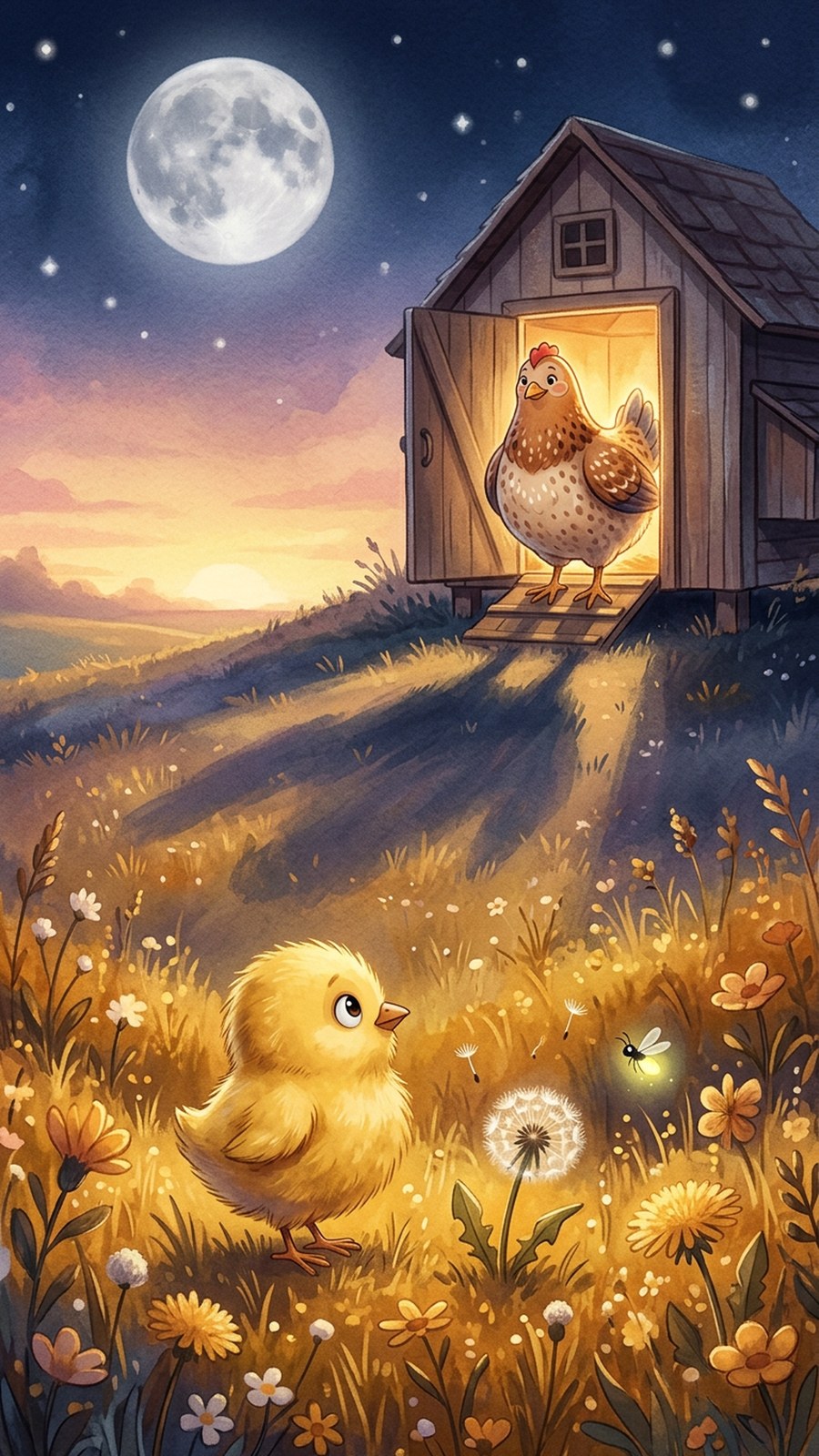
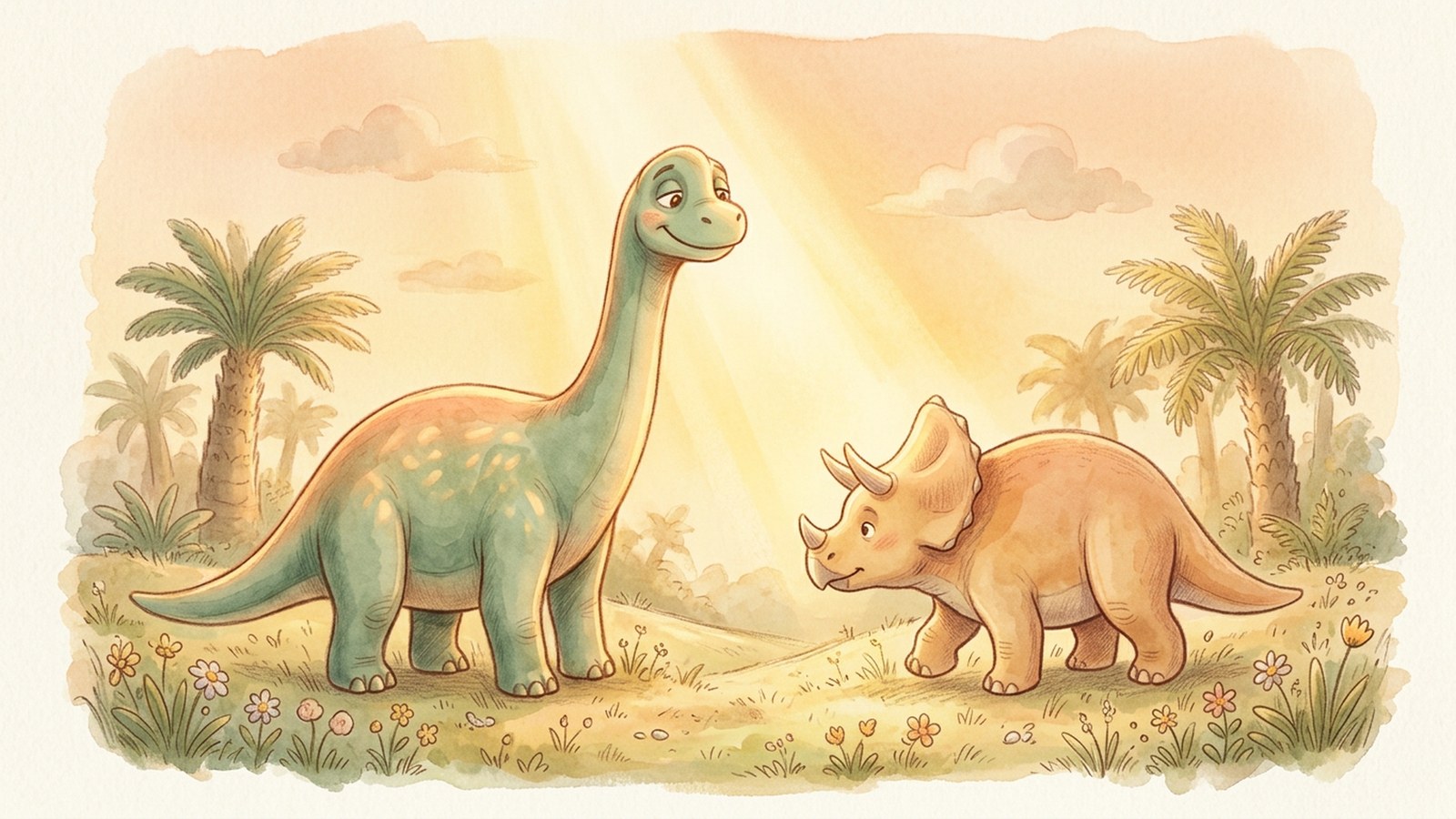

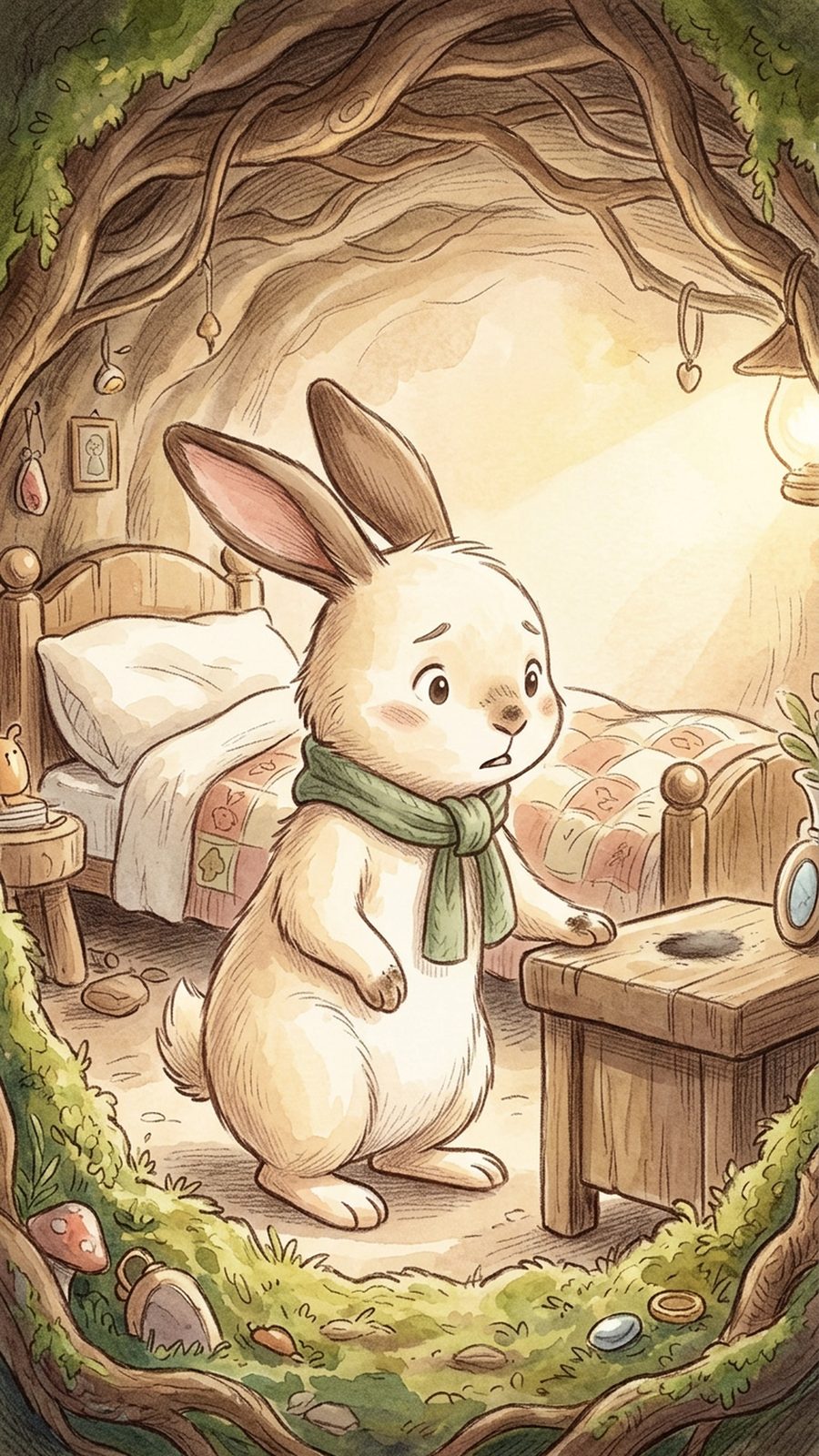
As your baby grows into a toddler, the same ritual simply gets longer: first a page, then a few, then a whole story. When that time comes, our guides to bedtime stories for 2-year-olds and a bedtime routine for a 2-year-old pick up where this one leaves off. You can also browse the bedtime story shelf for something to keep for later.