

A Bedtime Routine for a 2-Year-Old: Small Steps, Same Order, Every Night
By the Wonderbin team · October 16, 2026
Two is the age when bedtime stops being something a child simply goes along with. A two-year-old has opinions, a new word for every one of them, and a strong wish to do things “by myself” — usually at the slowest possible speed. They still cannot tell the time or hold a plan in their head. What they can do, remarkably well, is remember an order of events. A routine that runs the same way every night gives them a path to sleep they can recognise without anyone having to argue about it.
What changes at two
- “Me do it” arrives. Pulling on pyjamas, turning off the tap, choosing the book — a two-year-old wants a job. Giving them one is faster than fighting over it.
- Words run ahead of patience. They understand far more than they can say, and frustration often comes out as a protest at bedtime rather than a sentence.
- Separation feels bigger. Many two-year-olds go through a stretch of minding very much when a parent leaves the room. A predictable goodbye helps more than a quick escape.
- The nap is changing. Most children this age are down to one daytime nap. A late or long nap is one of the most common reasons a two-year-old is wide awake at seven.
A sample evening, 6:15 to 7:15
- 6:15 — the house slows down. Overhead lights off, lamps on, loud toys put away together. This is the signal, so keep it the same every night.
- 6:25 — bath or a warm wash. Short and calm rather than a splash party. A bath does not have to happen every night for the routine to work.
- 6:40 — pyjamas, nappy, teeth. Offer two choices you are happy with: “the stars or the stripes?” Let them “help” with the toothbrush, then have your turn.
- 6:50 — milk or a drink, if that is part of your evening. Before teeth or straight after, but in the same place each night.
- 6:55 — one story, in the same spot. Agree it out loud before you open it: “one story, then lights.”
- 7:05 — the goodnight round. Goodnight to the teddy, the window, the moon. The same short phrase every night, a cuddle, then into bed.
- 7:15 — lights out. Leave while they are sleepy but still awake, if you can. If your child is used to you staying, see the note below.
Toddlers between one and two years old generally need around 11 to 14 hours of sleep across the day and night, including the nap. Work back from the time your morning starts, and from when the nap ends: a nap that finishes at 3:30 rarely leaves room for a 6:30 bedtime. Our bedtime-by-age guide walks through the arithmetic.
Common traps at two
- Too many choices. “What would you like to wear?” starts a negotiation. “This one or that one?” finishes it.
- The drink, the other teddy, the second wee. Stalling is normal at this age. Fold the usual requests into the routine itself — water by the bed, teddy chosen before the story — so there is less left to ask for.
- Changing the routine when it wobbles. A bad week is usually a phase, a tooth or a skipped nap. Keep the order the same and it tends to settle; our guide to sleep regressions covers the bumps that come and go.
- Long goodbyes. Coming back again and again teaches a two-year-old that calling out works. One warm, familiar goodnight — then calm, brief check-ins if they are upset — is easier on everyone.
Choosing the story for the last step
At two, the best bedtime story is simple and gentle, with pictures doing a lot of the work. Repetition is a feature, not a problem: the same story for weeks on end is how a two-year-old learns the shape of the evening. Point at things, let them turn the page, and do not worry if you never reach the end in one sitting.
Soft, simple stories for the story step
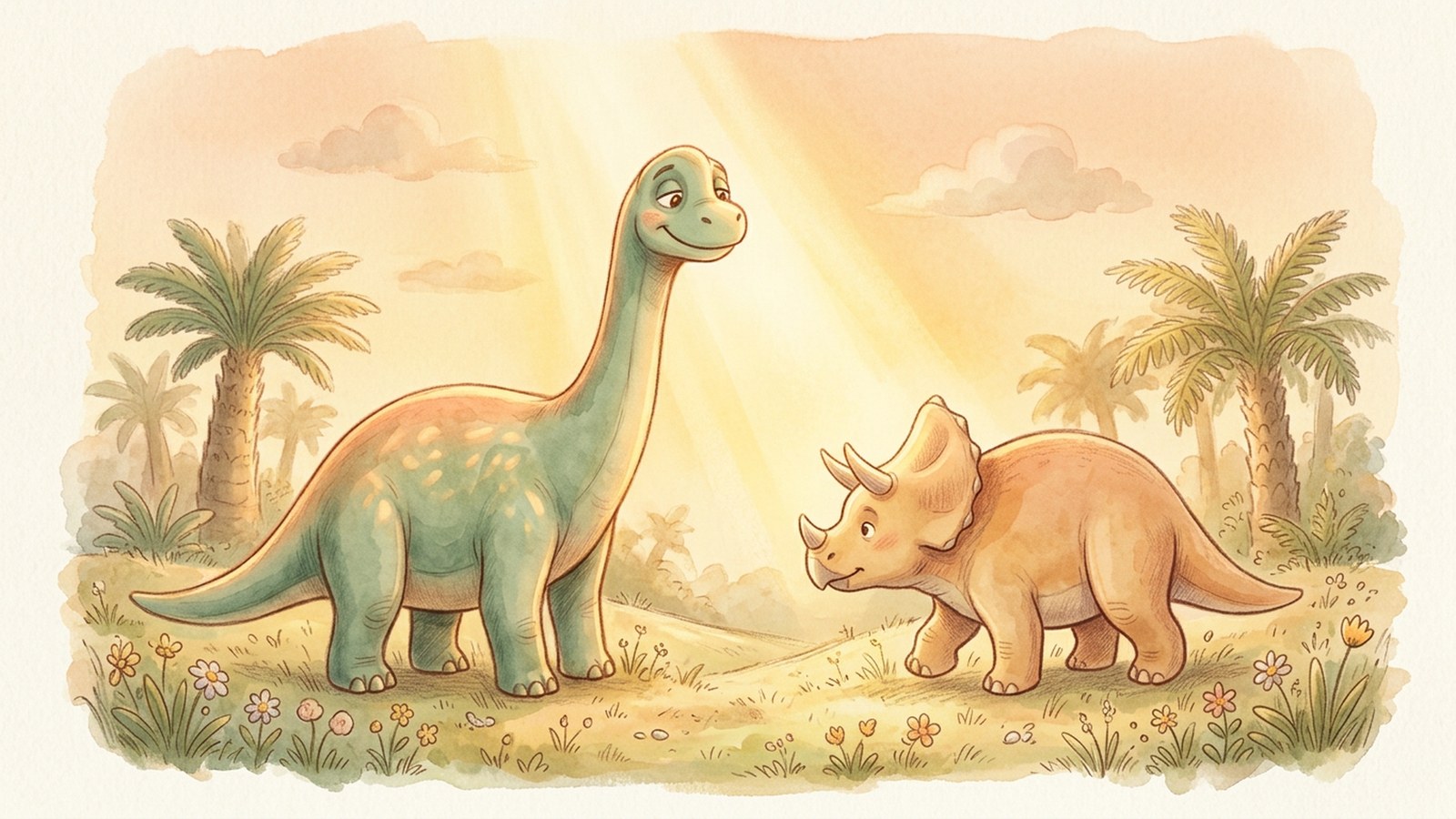

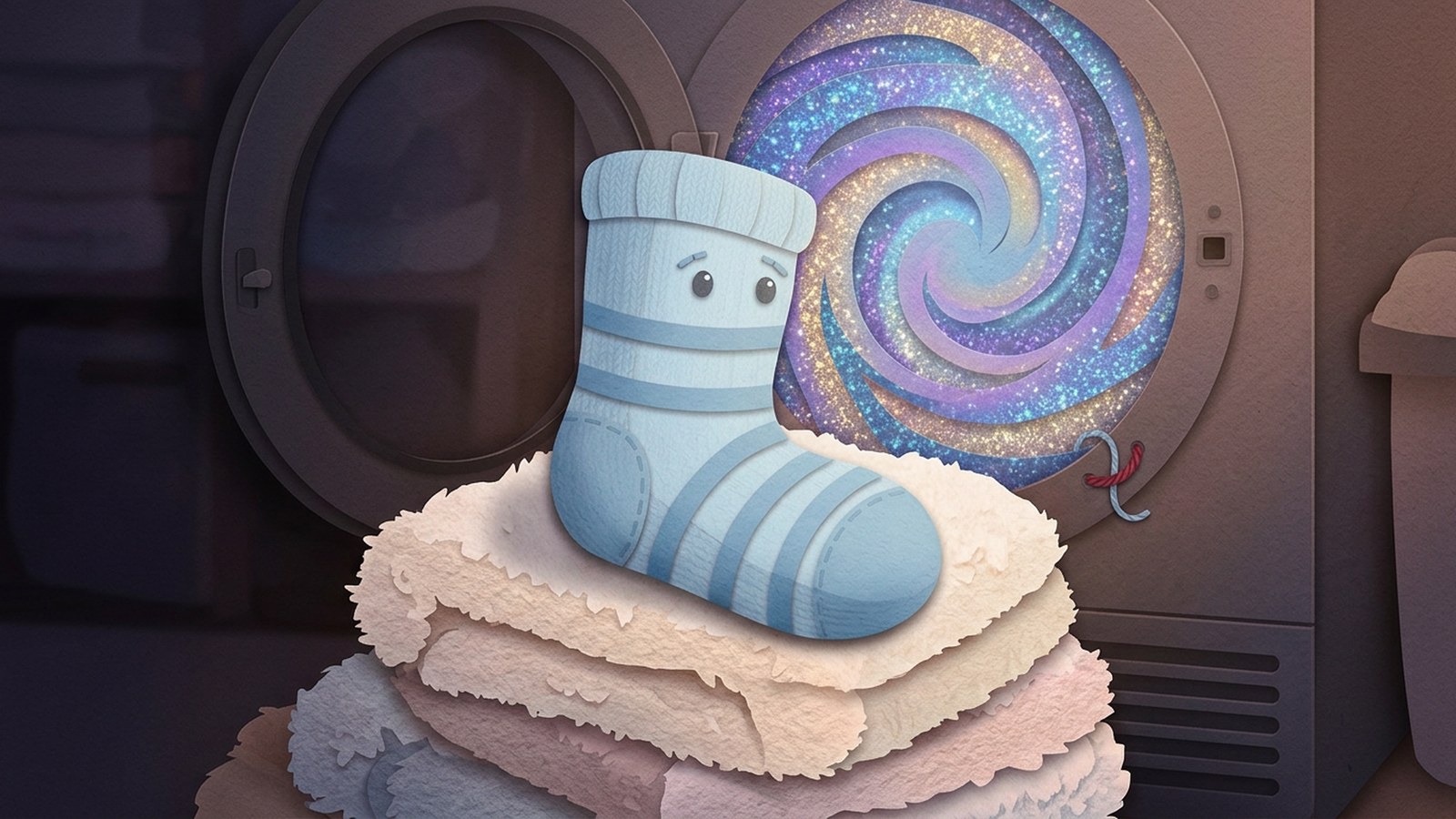
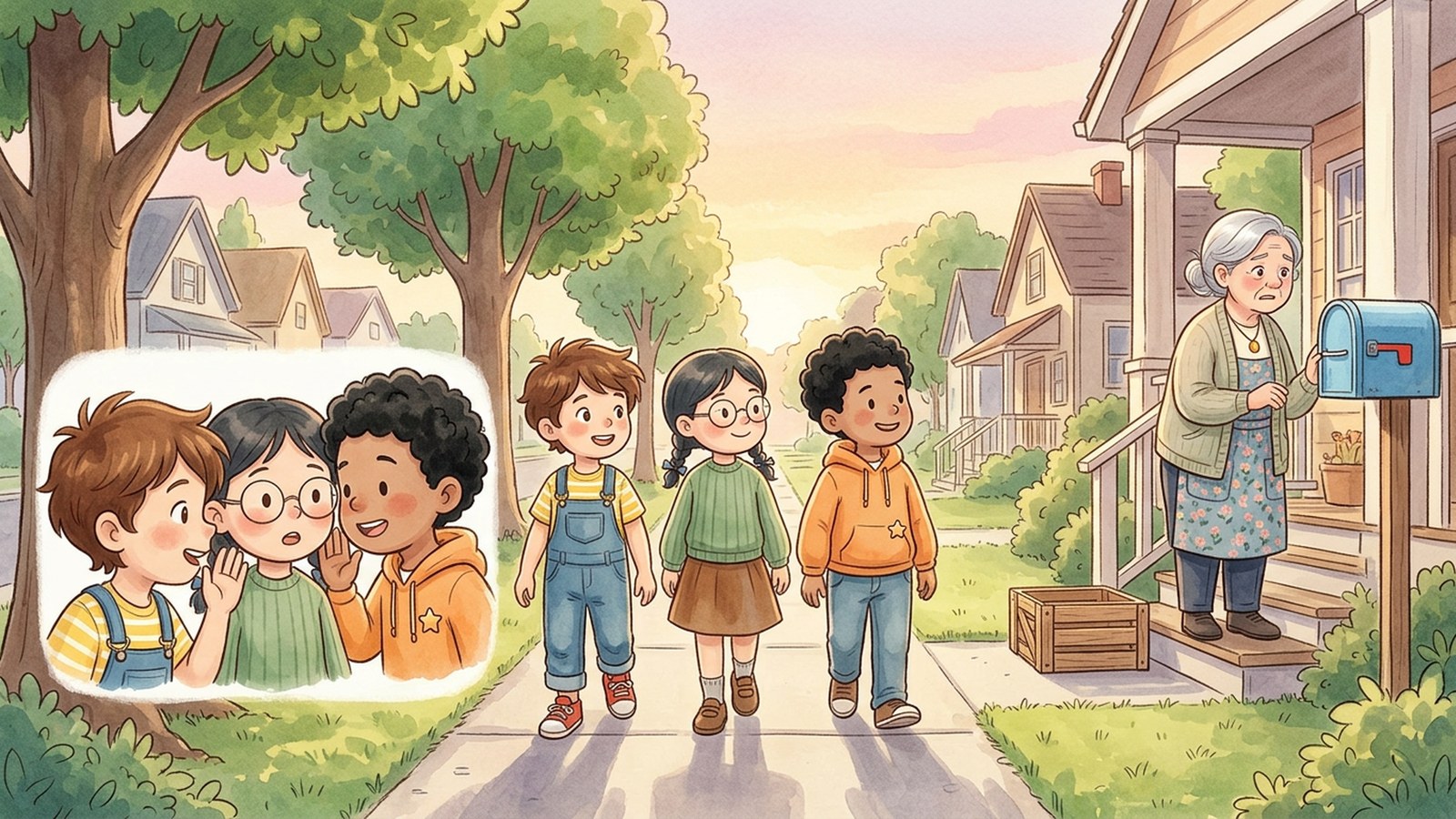

Two dinosaur friends look for the perfect nap spot; an ant hunts for a blanket in the garden; a striped sock searches the laundry room for his lost twin; three children help a neighbour reach her mailbox; a lazy capybara leaves her warm pool to help a little bird. Small, familiar worlds with nothing sharp in them.
For a two-year-old who has started to mind the dark


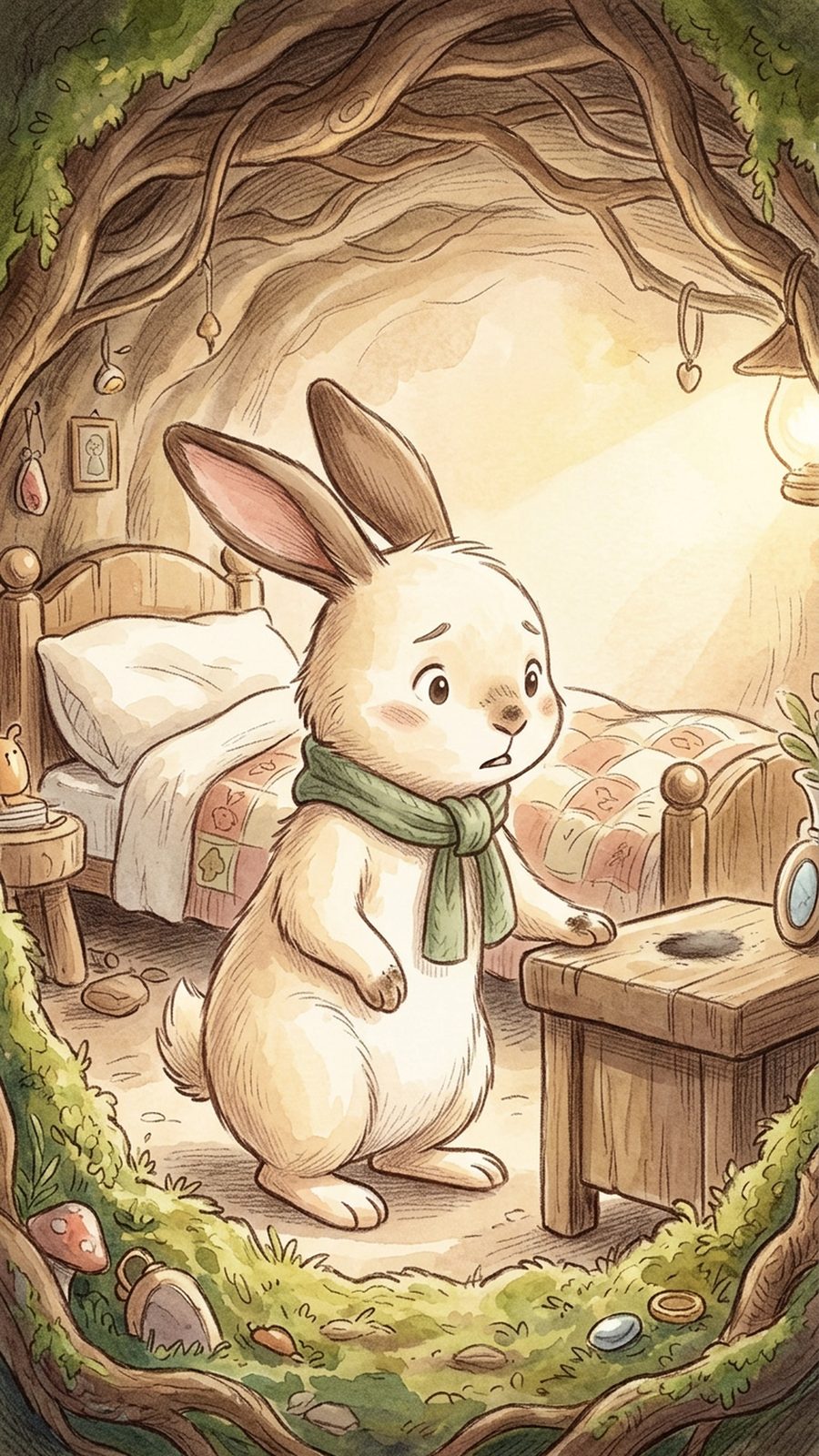
A chick who finds fireflies and stars instead of fear, a puppy on a quiet night patrol of the farmhouse, and a rabbit who has to be patient and still to find what she lost. They work well on nights when the lights going off is the hard part.
If your child is used to you staying
Plenty of two-year-olds fall asleep with a parent beside them, and that is not a problem unless it has become one for you. If you want to change it, change one thing at a time: first the chair moves from the bed to the door, then out of the room, over a week or two. Our guide to when your child won’t fall asleep unless you stay sets out the steps.
For more on this age, see bedtime stories for 2-year-olds and how to calm a toddler before bed; when the next birthday comes round, the bedtime routine for a 3-year-old picks up where this one leaves off. You can also browse the whole bedtime collection.