

Bedtime Stories for 2-Year-Olds: Short, Simple and Free to Read
By the Wonderbin team · July 22, 2026
At two, story time is barely about the story. It is about the lap, the blanket, the same book for the ninth night running, and the small ceremony of turning a page yourself. Which is good news for tired parents: what a two-year-old needs from a bedtime story is far simpler than what a five-year-old needs.
What a two-year-old actually needs from a story
- Short. Three to six minutes is plenty. A two-year-old’s attention is genuinely that long, and a story that ends while they are still enjoying it is a story they will ask for again.
- One idea per page. A picture, a sentence, a thing happening. Subplots are lost at this age — a single thread from first page to last is the whole job.
- Familiar things. A blanket, a bowl of food, the moon, a small animal doing something ordinary. Recognition is the pleasure; novelty comes later.
- Rhythm and repetition. Repeated phrases let a two-year-old join in, and joining in is how the language sticks.
- An ending that simply settles. Somebody warm, somewhere safe, going to sleep. No twist, no cliffhanger, nothing left to wonder about in the dark.
A note about age labels
Our library labels its gentlest stories 3+, because three is roughly when most children follow a whole plot on their own. In practice the shortest of them — four to seven minutes, one animal, one simple problem — work beautifully from around two, as long as you read them the two-year-old way: paraphrase freely, skip a page when attention wanders, and let the pictures carry more of the story than the sentences do.
Five short stories to start with
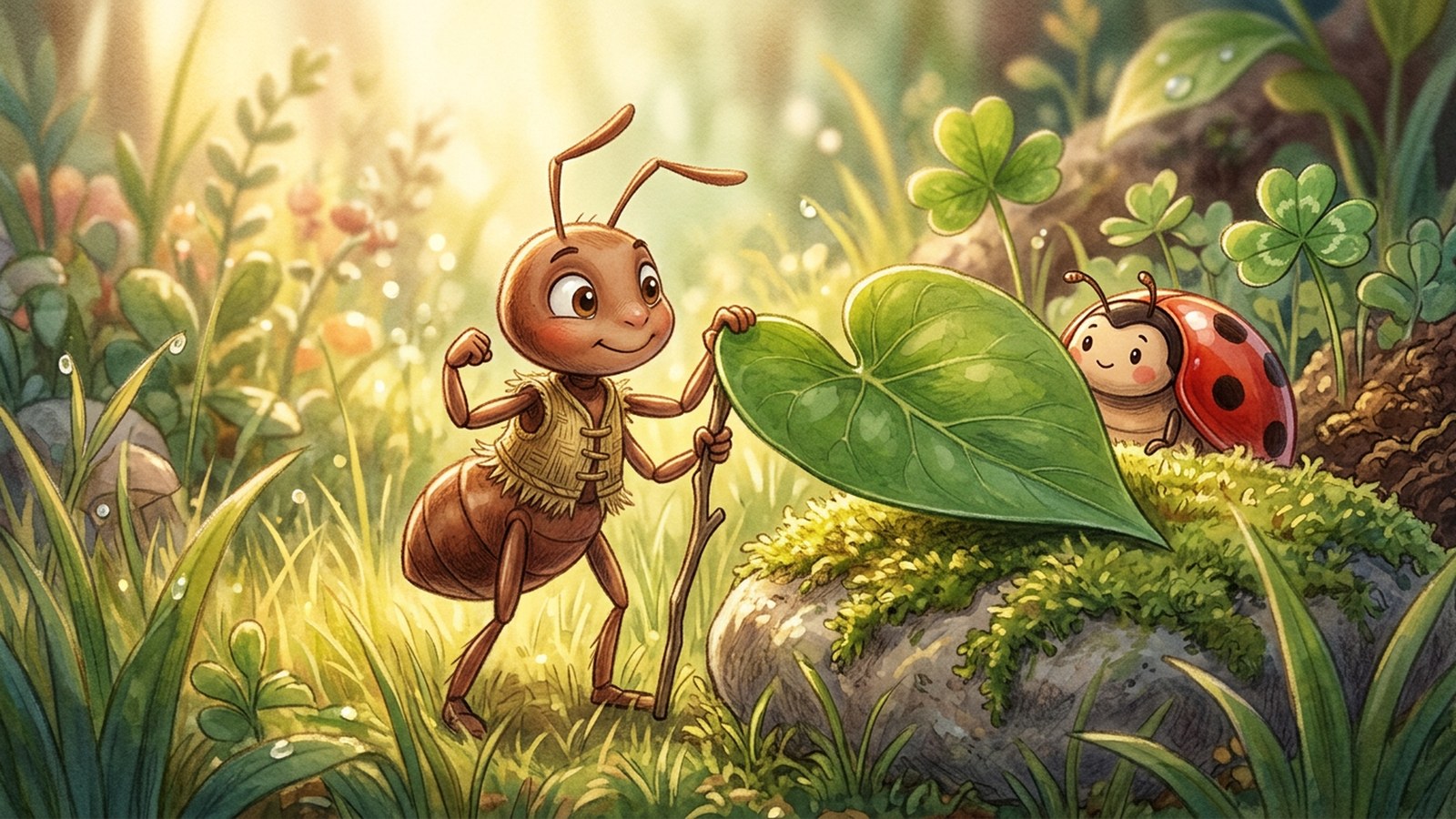
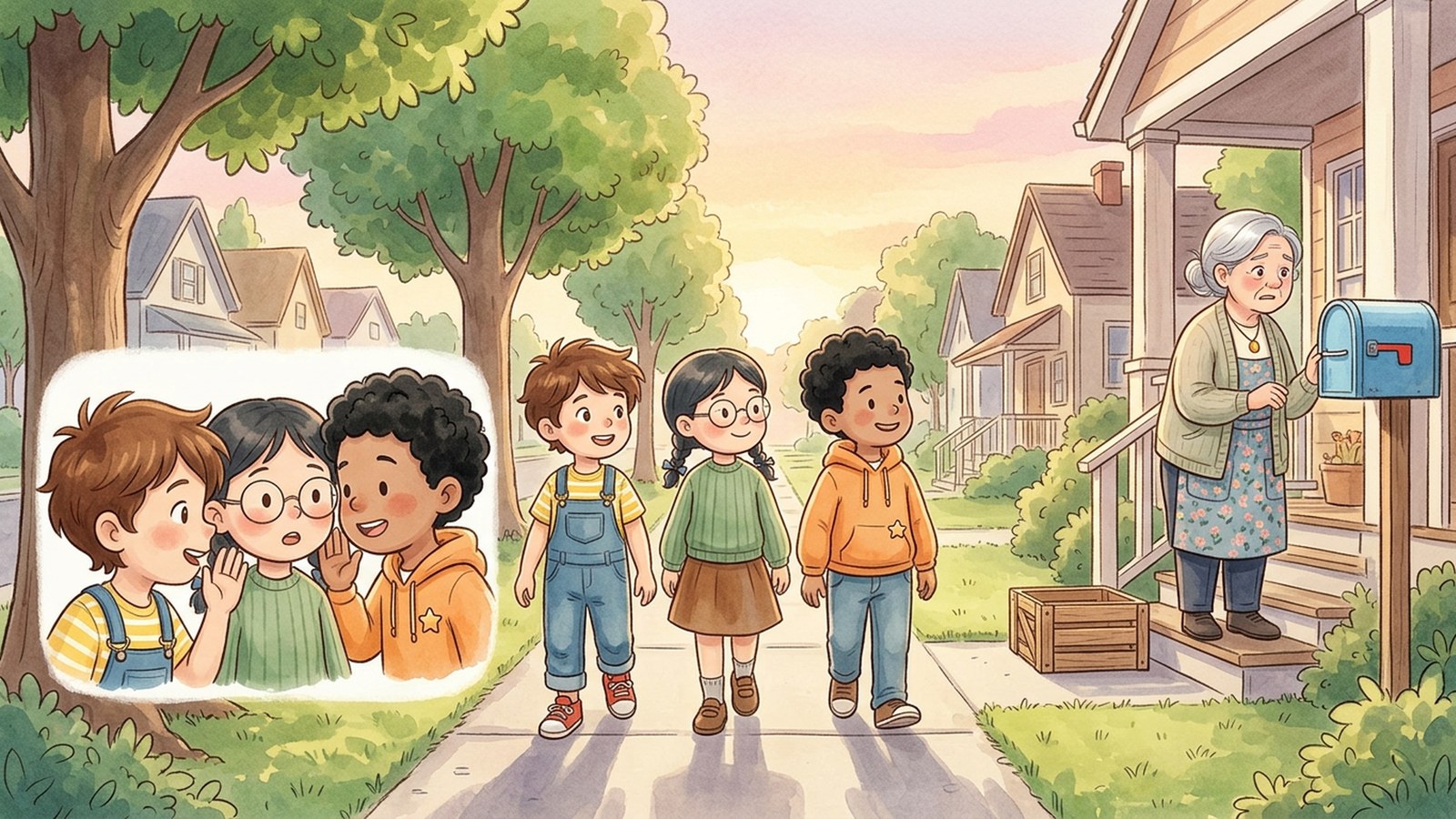
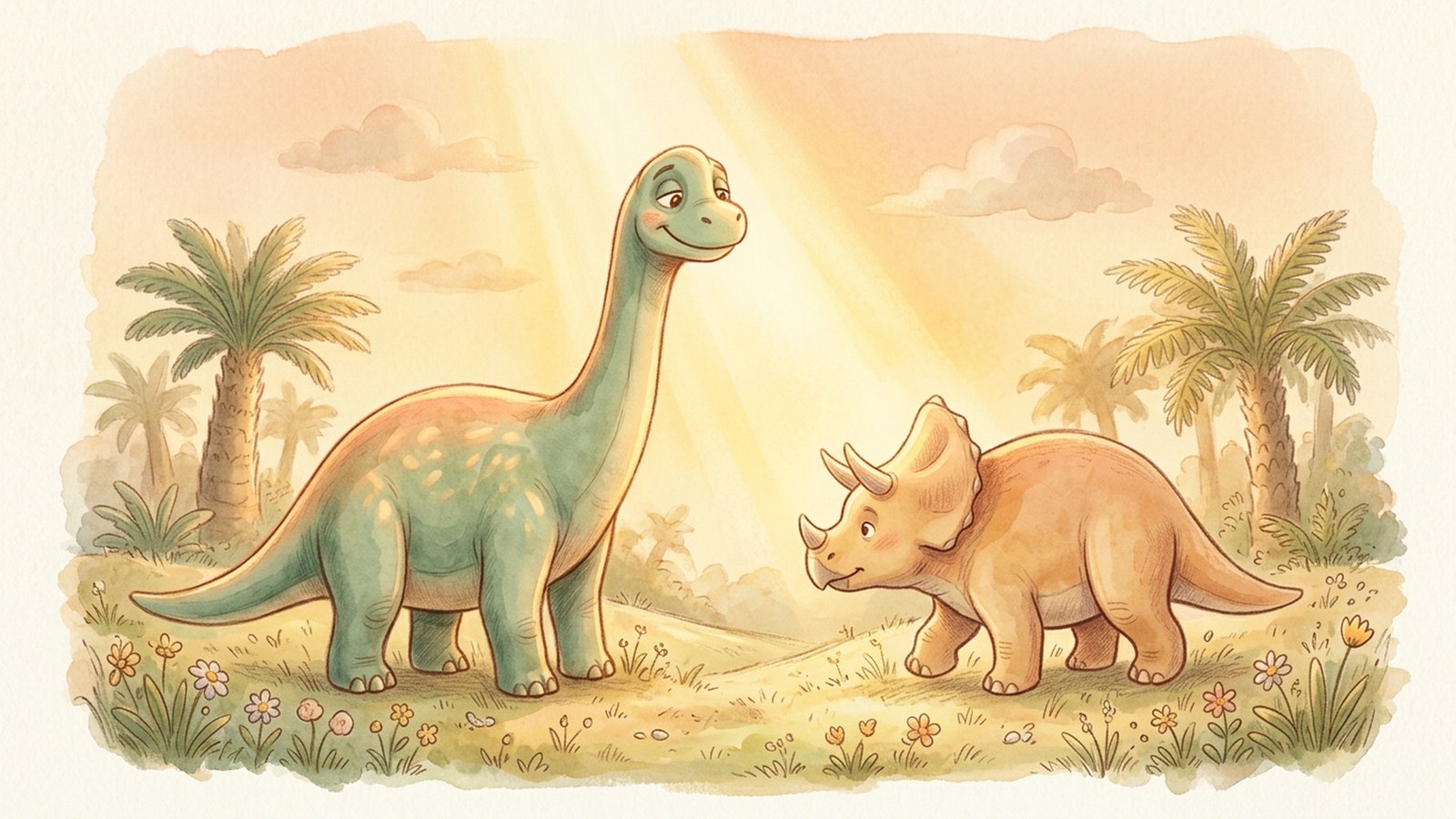
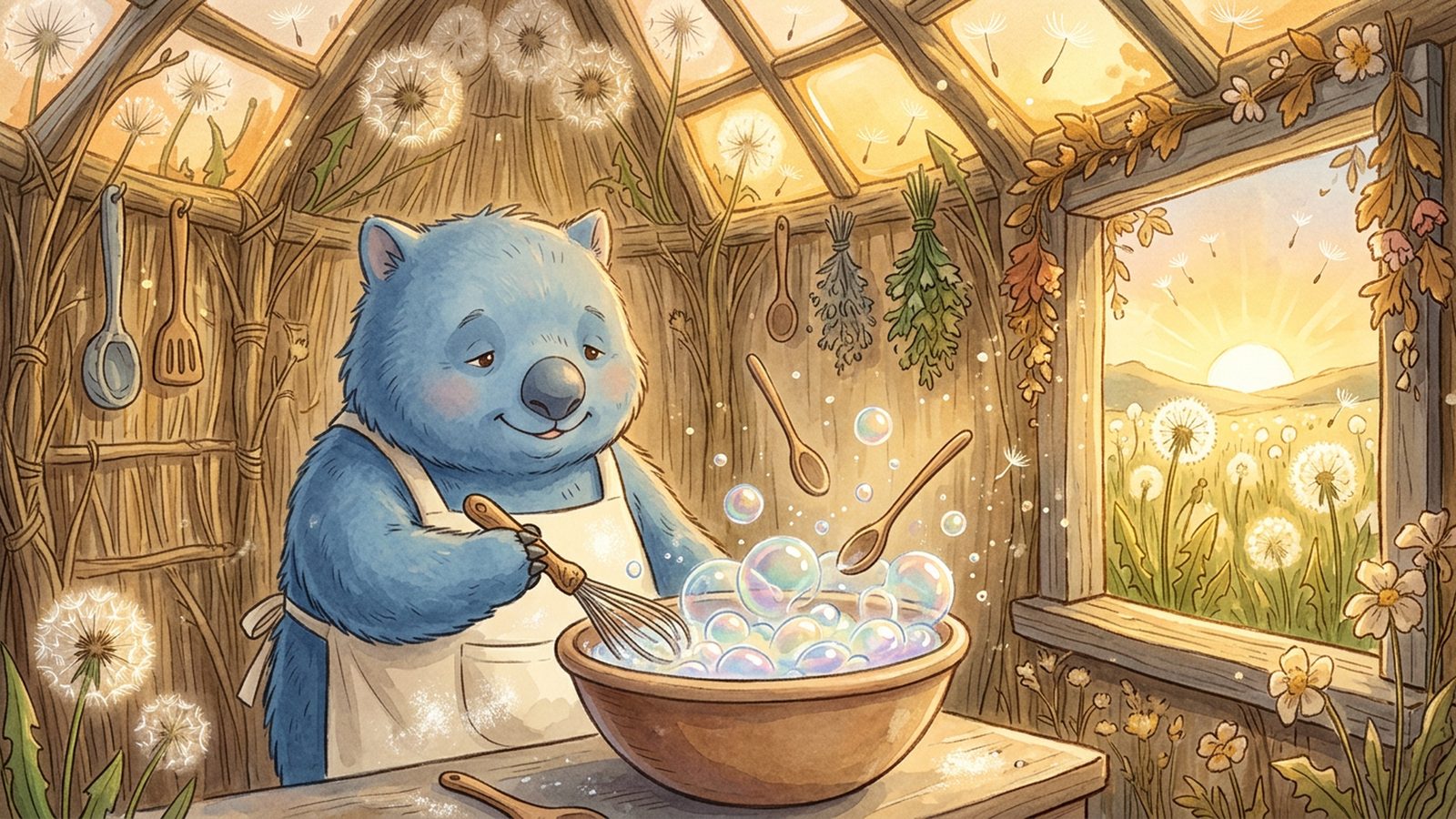
All five below run between four and seven minutes read aloud, keep to one gentle thread, and end somewhere warm.
Four to seven minutes, gentle all the way through
How to read to a two-year-old
- Let them turn the pages. Even when it means going backwards twice. The handling is part of learning what a book is.
- Point and name. “Where is the ant?” does more for vocabulary at this age than reading every word on the page.
- Reread the same one for weeks. The tenth reading builds more language than a first reading of something new. Repetition is not a rut, it is the method.
- Stop when they are done. Closing the book while it is still pleasant keeps story time something they want. Tomorrow’s reading will be longer.
- Keep the setting identical. Same chair, same lamp, same point in the routine. At two, the ritual carries more weight than the words.
One short story most nights, at the same point in the evening, is genuinely enough at this age — the habit matters far more than the length. When your child turns three and starts negotiating for a second one, our simple bedtime routine for three-year-olds picks up exactly where this leaves off, and the bedtime collection shows the reading time on every cover so the four-minute stories are easy to spot.