

Lullabies and Bedtime Songs for Kids: Singing Without Being a Singer
By the Wonderbin team · October 19, 2026
Many parents say the same thing: “I’d love to sing at bedtime, but I can’t carry a tune.” Your child doesn’t mind. To a small listener, a familiar voice moving slowly and quietly is the whole point — pitch is a distant second.
Why a song works when talking doesn’t
By the end of the day, words can start to feel like requests, questions and negotiations. A song has no demands in it. It repeats, it moves at one pace, and it tells your child that the day has a shape and is nearly finished.
Making singing easy
- Pick one song and keep it. Repetition is the feature. Sing the same one every night and it becomes a signal that sleep is next.
- Hum if the words escape you. A slow hum on two or three notes does the same job as a full lullaby.
- Make up the words. Fit your child’s name, the teddy and the day’s small events to a tune you already know. It doesn’t have to rhyme.
- Go lower and slower than feels natural. Keep it quiet enough that you could be heard only from the edge of the bed.
- Put it at the end. Story first, song second, lights off. The song then marks the handover to sleep rather than competing with the book.
When your child wants to sing along
An older child may want to join in, change the words or request a different song every night. Allow one song of their choice and one of yours, and agree the number before you begin. That keeps the evening open-ended in feeling but finite in practice.
Stories with music inside them
If singing is not your thing, let a story carry the music. These tales have songs, melodies and echoes woven into the plot, and they read aloud with a natural rhythm.
Stories where sound and song matter
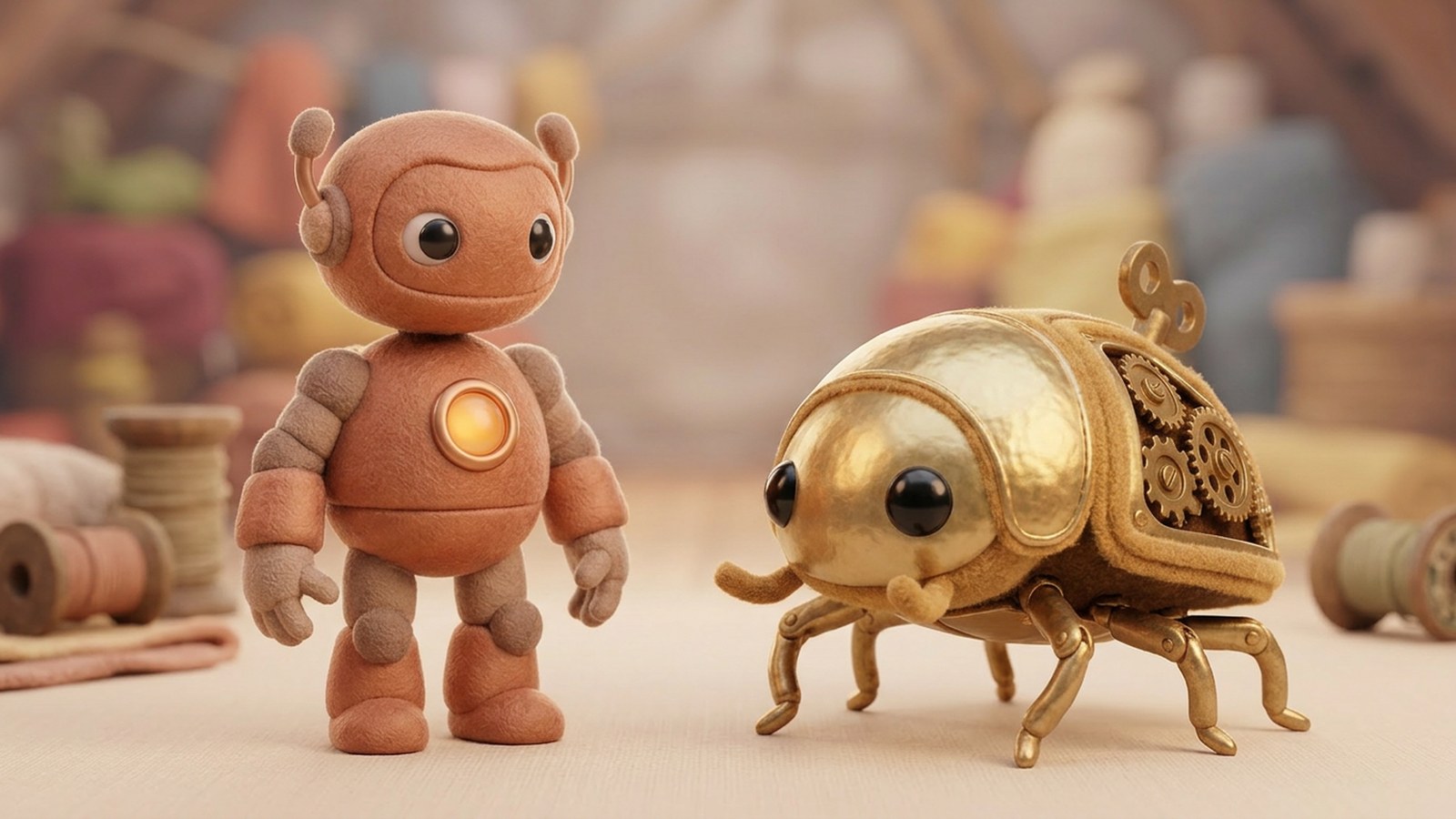



Night-time melodies and shared songs
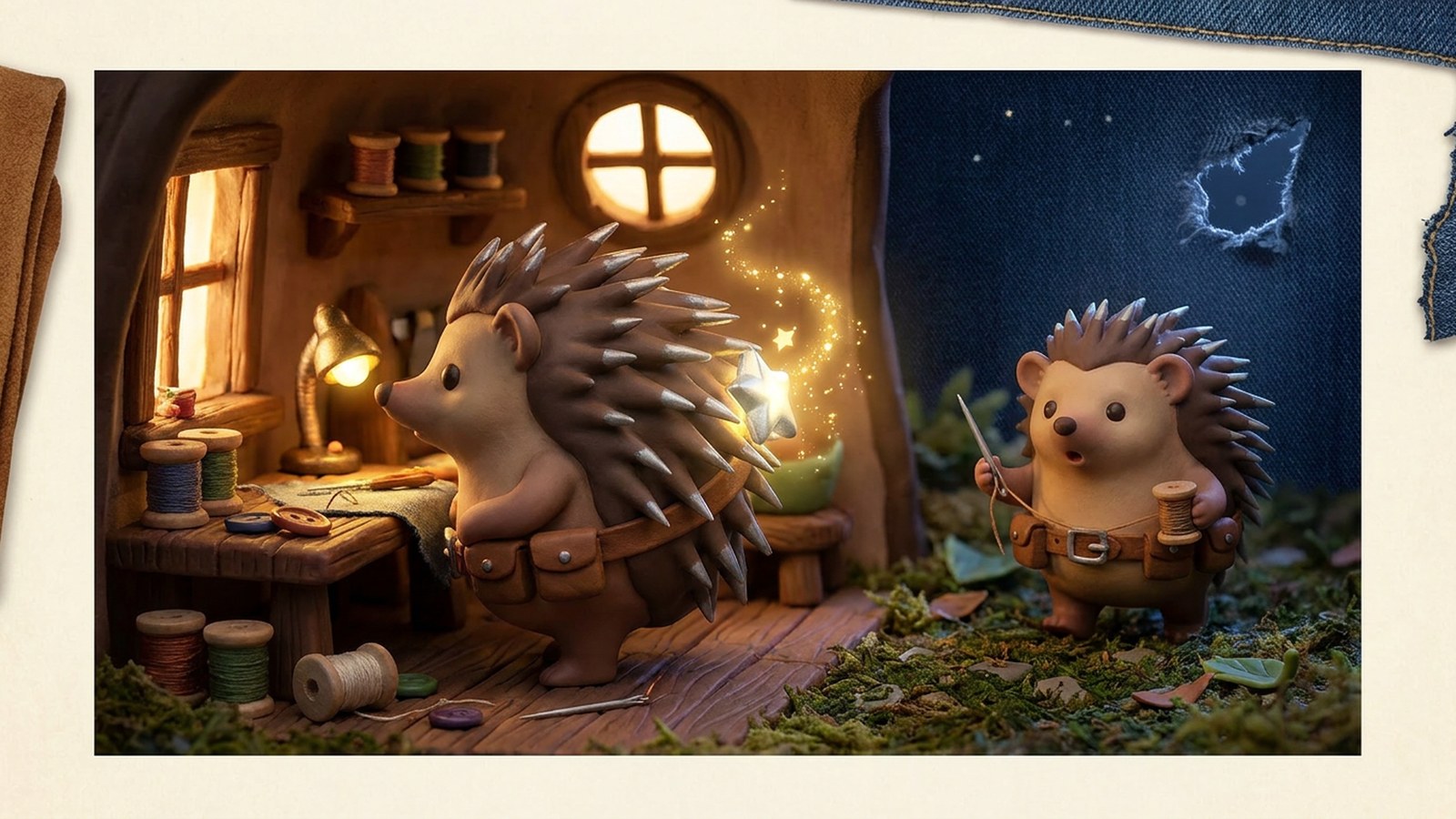


More quiet reading is gathered in our bedtime stories. For the other half of the evening, see how to read a story aloud with more expression and when to let kids listen instead of read.