

How to Read a Bedtime Story Aloud With More Expression
By the Wonderbin team · September 22, 2026
Reading the same story every night does not mean reading it the same way every night. Small changes in pace, volume and voice change how a story lands — not because it takes any acting talent, but because a two-minute story can either rush past a tired mind or actually help it slow down.
Slower than feels natural
Adults tend to read aloud at roughly conversational speed, simply out of habit. A bedtime story read at half that pace gives a tired mind time to actually picture each scene rather than just hear the words pass by — and the pause between sentences often matters more than anything done with the voice itself.
A little character voice, used sparingly
- Pick one voice per main character, and keep it small. A slightly lower pitch for a bear, a lighter one for a mouse — the contrast matters more than the impression.
- Do not perform every page. A voice used constantly stops being a treat and starts being noise; save it for dialogue, not description.
- Let a child ask for more, not less. If a particular voice earns a laugh or a request to “do that again”, it has earned a permanent place in that story.
- Drop it near the end. The last page of any bedtime story works better read plainly and quietly than acted — that is the cue that the fun part of the evening is closing.
Read the room, not just the page
The same page can call for a whisper one night and an ordinary voice the next, depending on how wound up the evening has been. Watch the child rather than the book: heavy eyelids mean slow down and quieten further, while a child still buzzing from the day may need one more animated page before they are ready to land.
Small techniques that work on almost any story
- Pause before turning the page. A beat of silence builds more anticipation than raising the voice ever will.
- Let the last page get slower and quieter than the rest. Even without changing the words, a softer final page signals that the story — and the day — is closing.
- Sit where the child can see your face. Expression carries at least as much as tone of voice, especially for younger children still learning to read faces.
- Skip the parts that would wind them up. If a page is genuinely thrilling, a slightly flatter reading at bedtime keeps the excitement from following them into sleep.
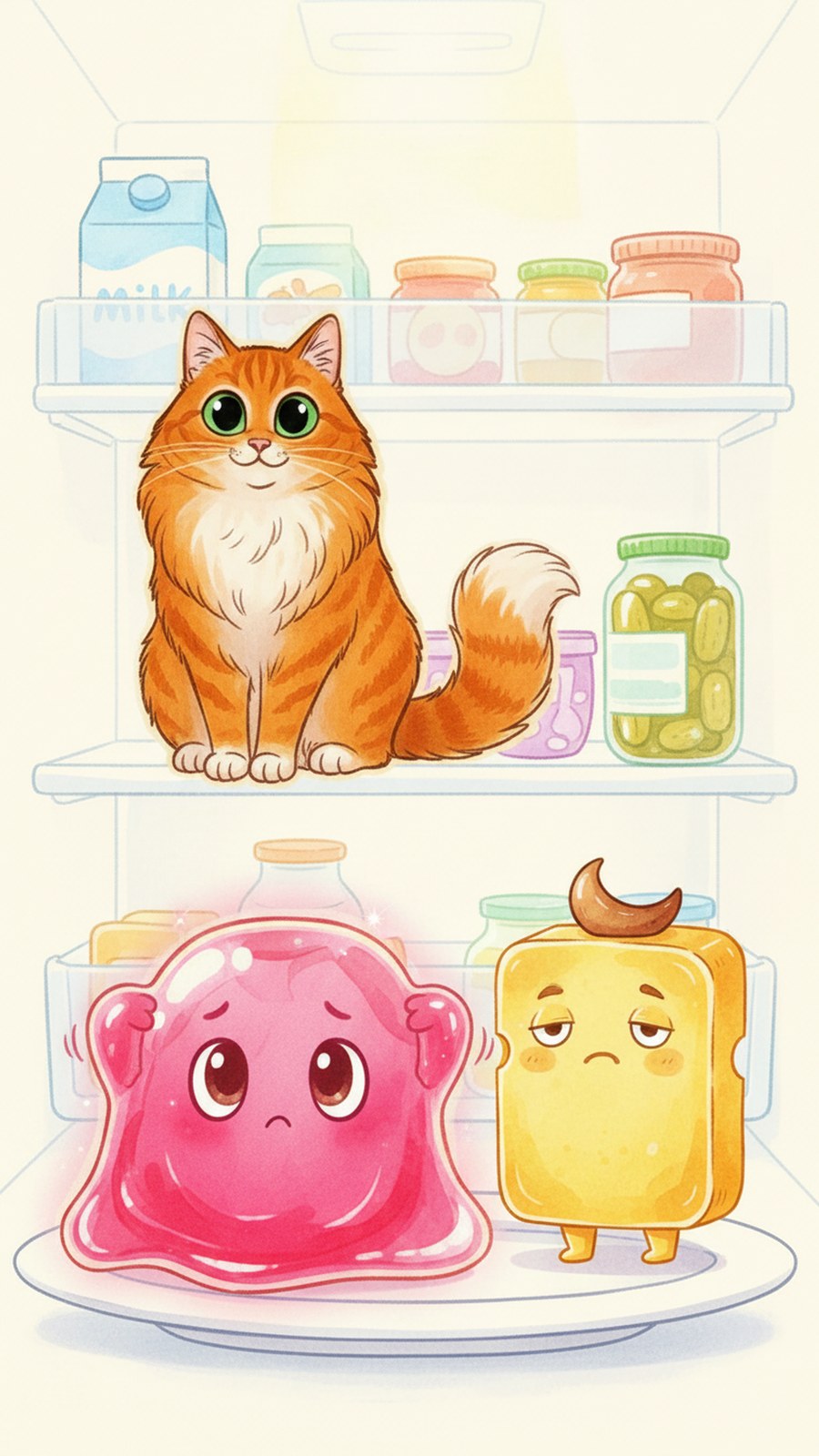
Stories with plenty of room for voices (ages 3+)



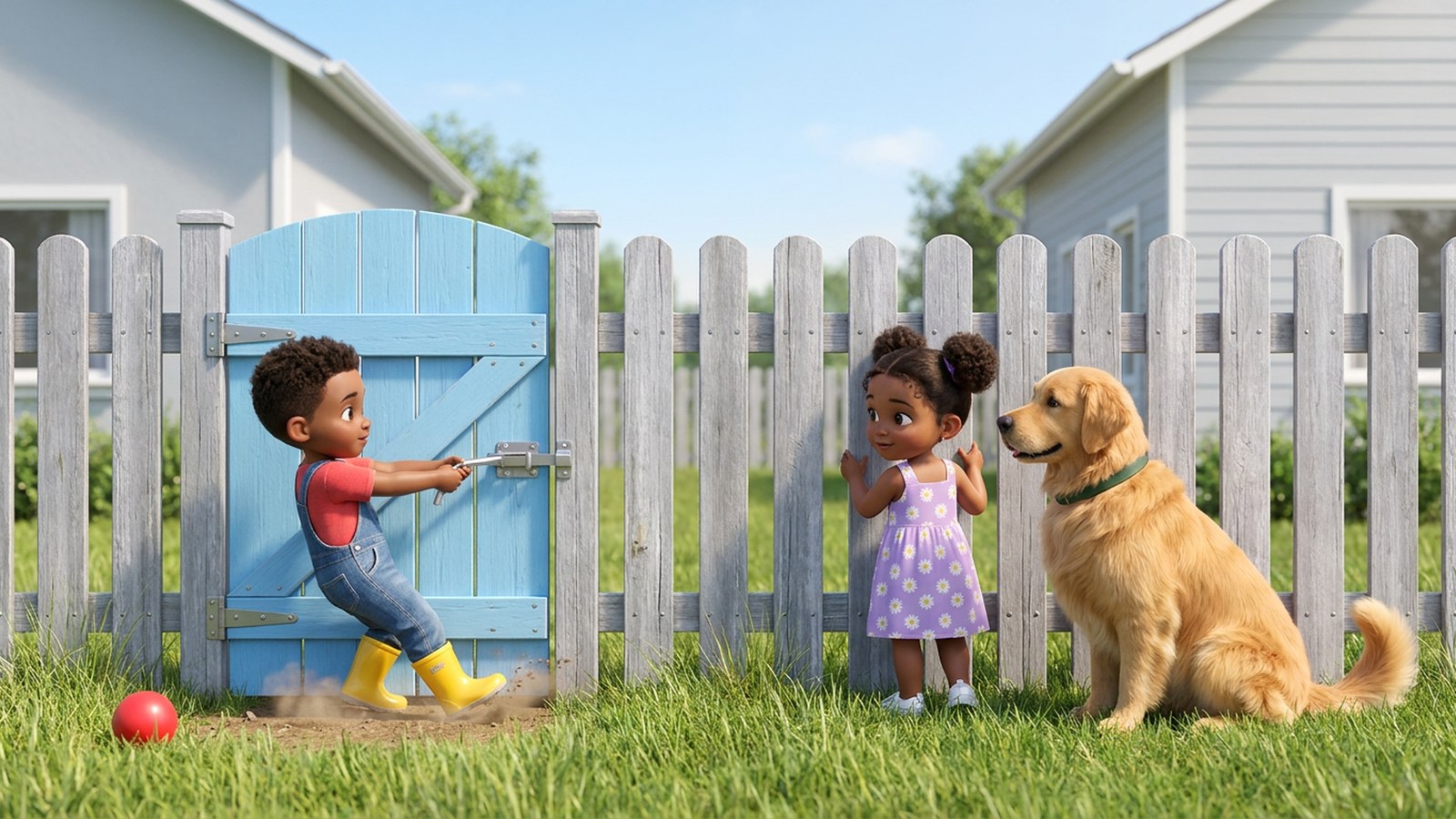
A bit more character work for older listeners (ages 5+)
None of this requires any acting talent — the goal is simply to read a little slower and a little quieter than feels natural, and let the story’s own rhythm do the calming. For more on why the read-aloud itself matters, see our guide to why reading aloud works, or find tonight’s book in the full bedtime collection.