Bedtime Stories About Sleep Itself: Naps, Moons and Characters Who Drift Off
By the Wonderbin team · November 10, 2026
Most bedtime stories are about something else — a quest, a friendship, a lost glove — that happens to end at night. A smaller group is about sleep itself: characters looking for the perfect nap spot, a night that needs tending, a moon that is allowed to rest. They work on a simple principle. When the story’s heroes are visibly getting heavier-eyed, the listener tends to follow.
Why stories about sleepiness can help
- They model the thing you want. Watching a character yawn, settle and curl up is gentler than being told to do it.
- They make rest feel like a reward. In these tales sleep is warm, earned and a little bit magical, not a punishment that ends the fun.
- The pace does the work. The language slows, the scenes get smaller, and the final pages are mostly quiet.
- They suit the child who feels they are missing out. If the world carries on without them, a story where the night itself looks after everyone can take the sting out of it.
Stories about finding a place to rest
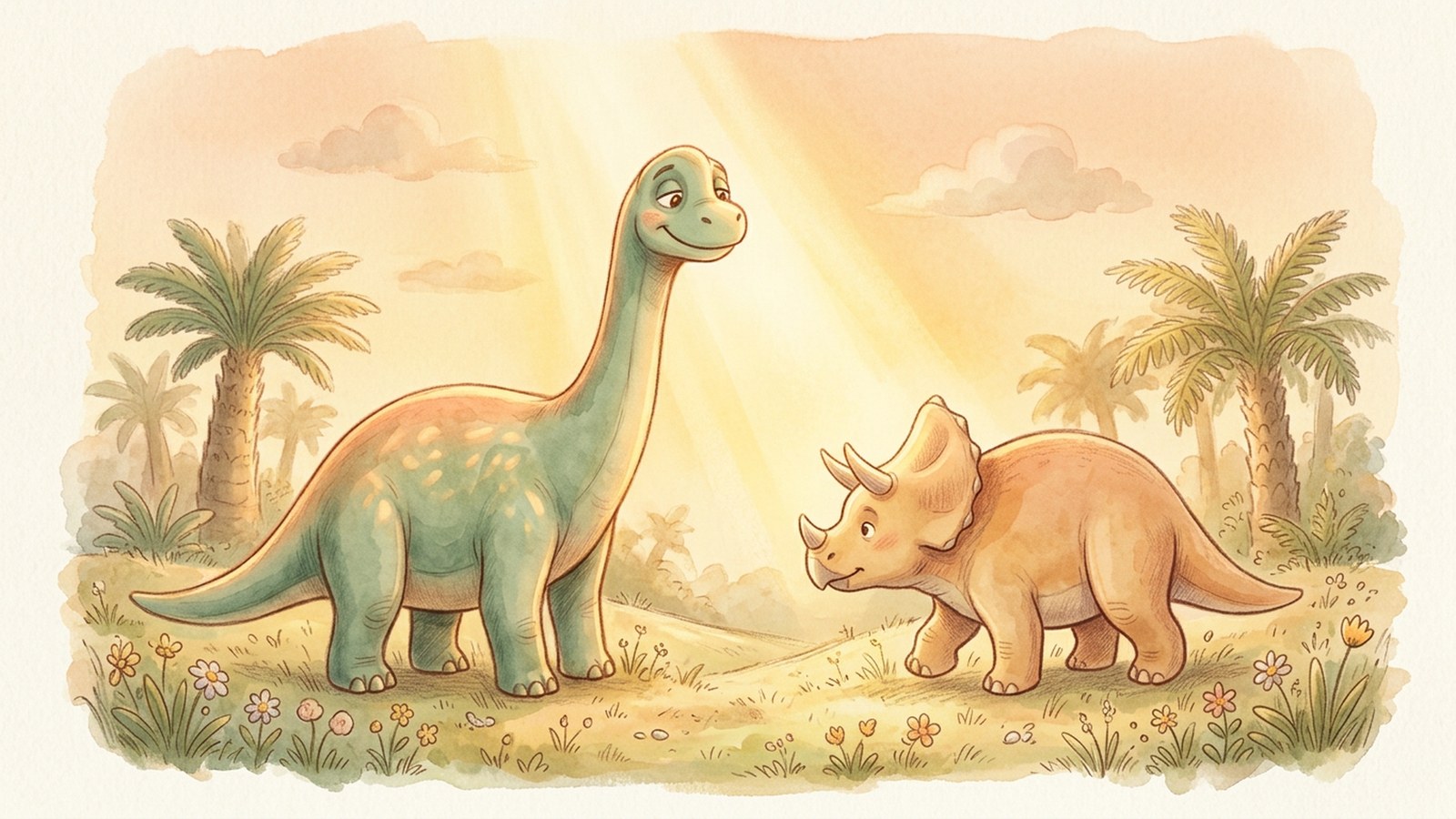
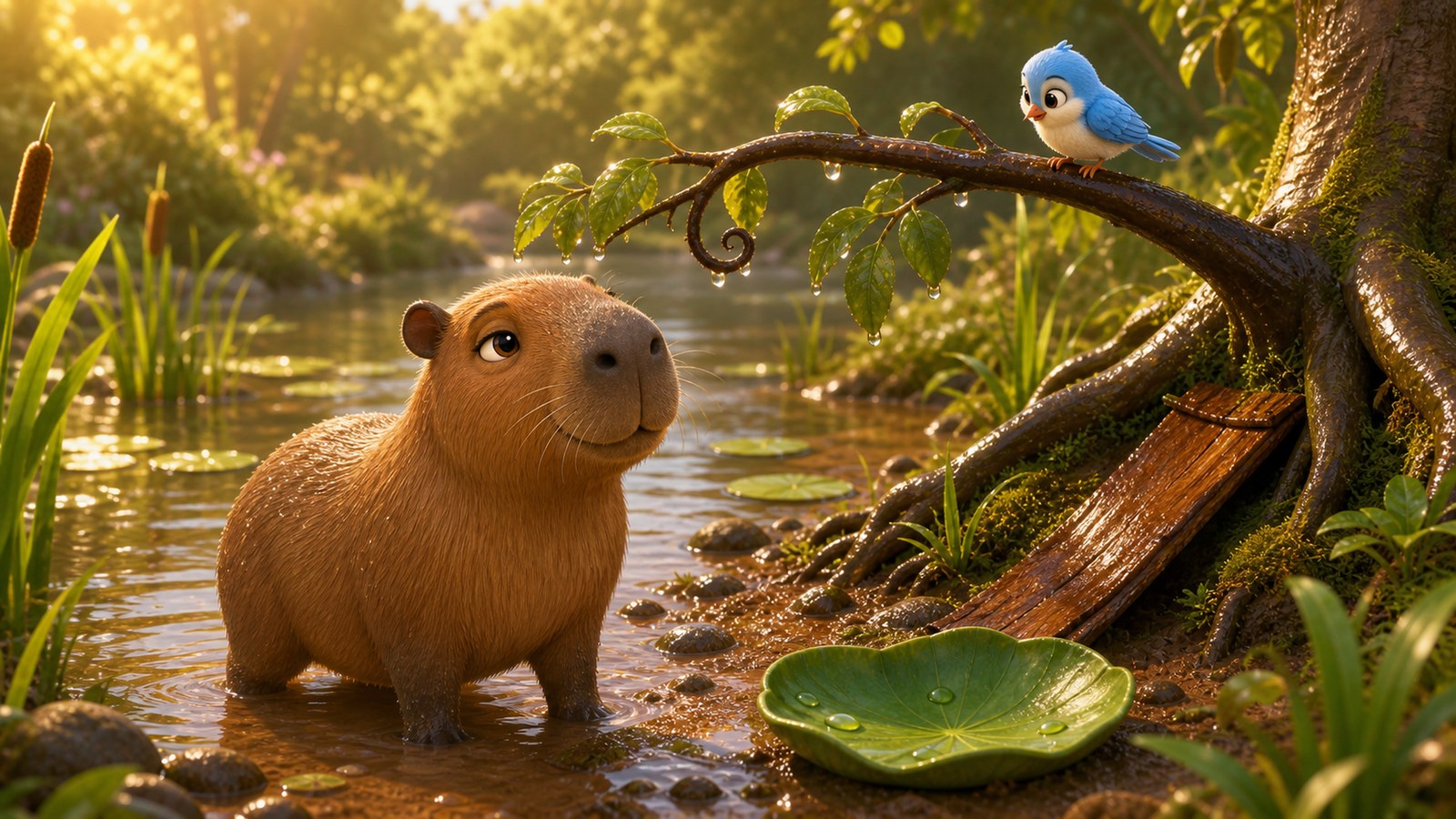
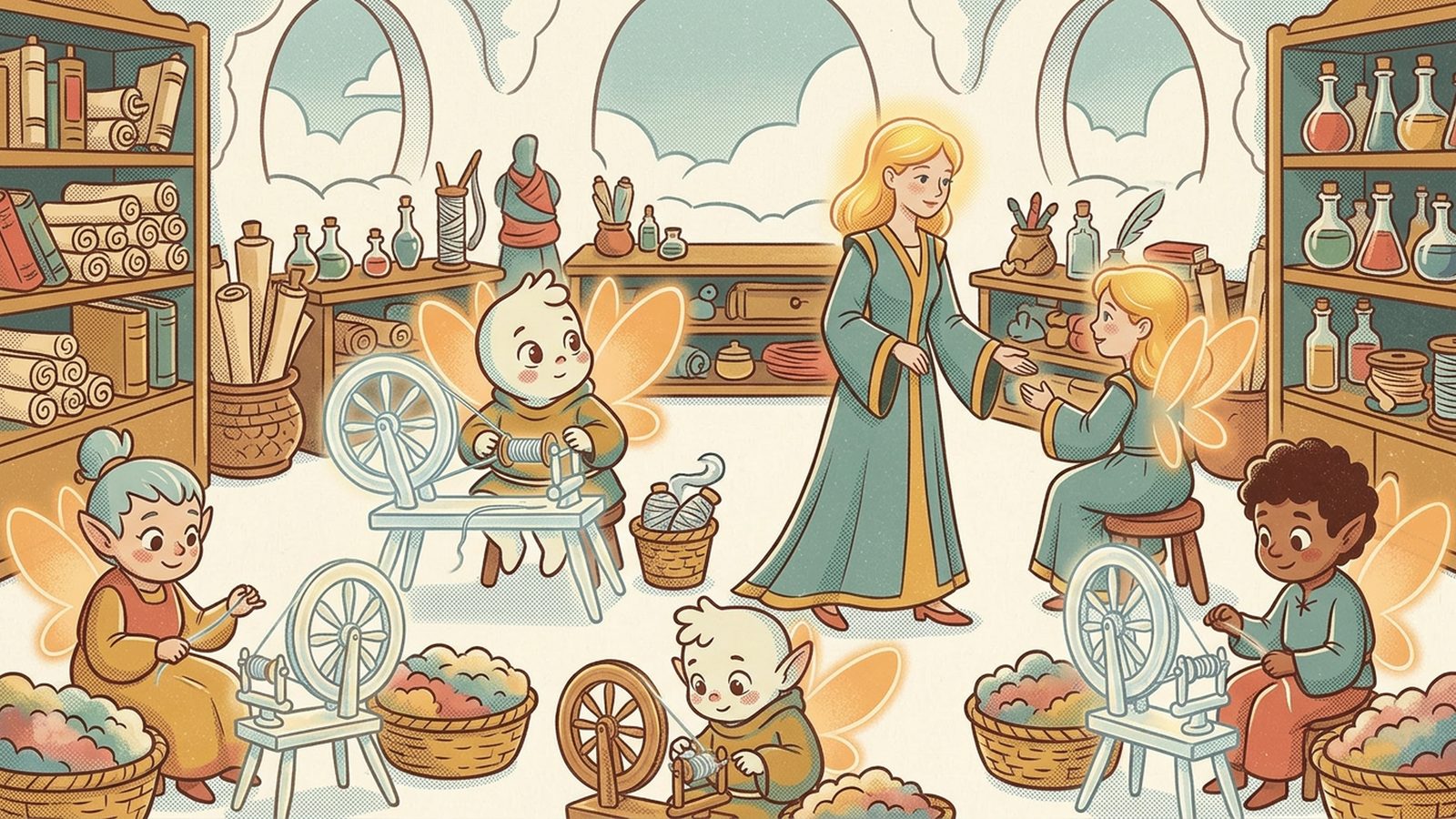
Pip and Tolly search Sunny Fern Valley for the perfect nap spot. Sable, a lazy young capybara, leaves her warm river pool to help a little bird and finds that kindness can make rest feel even warmer. At Nimbus Peak, Pipkin learns cloud-weaving and the power of rest.
The night and the moon at work
Some stories give the night its own cast. Moons that fade, stars that need guiding and staircases that fear the morning all make the dark feel looked after rather than empty. That can be a comfort for a child who is not quite ready to hand the day over.
Night-time tales with a gentle end


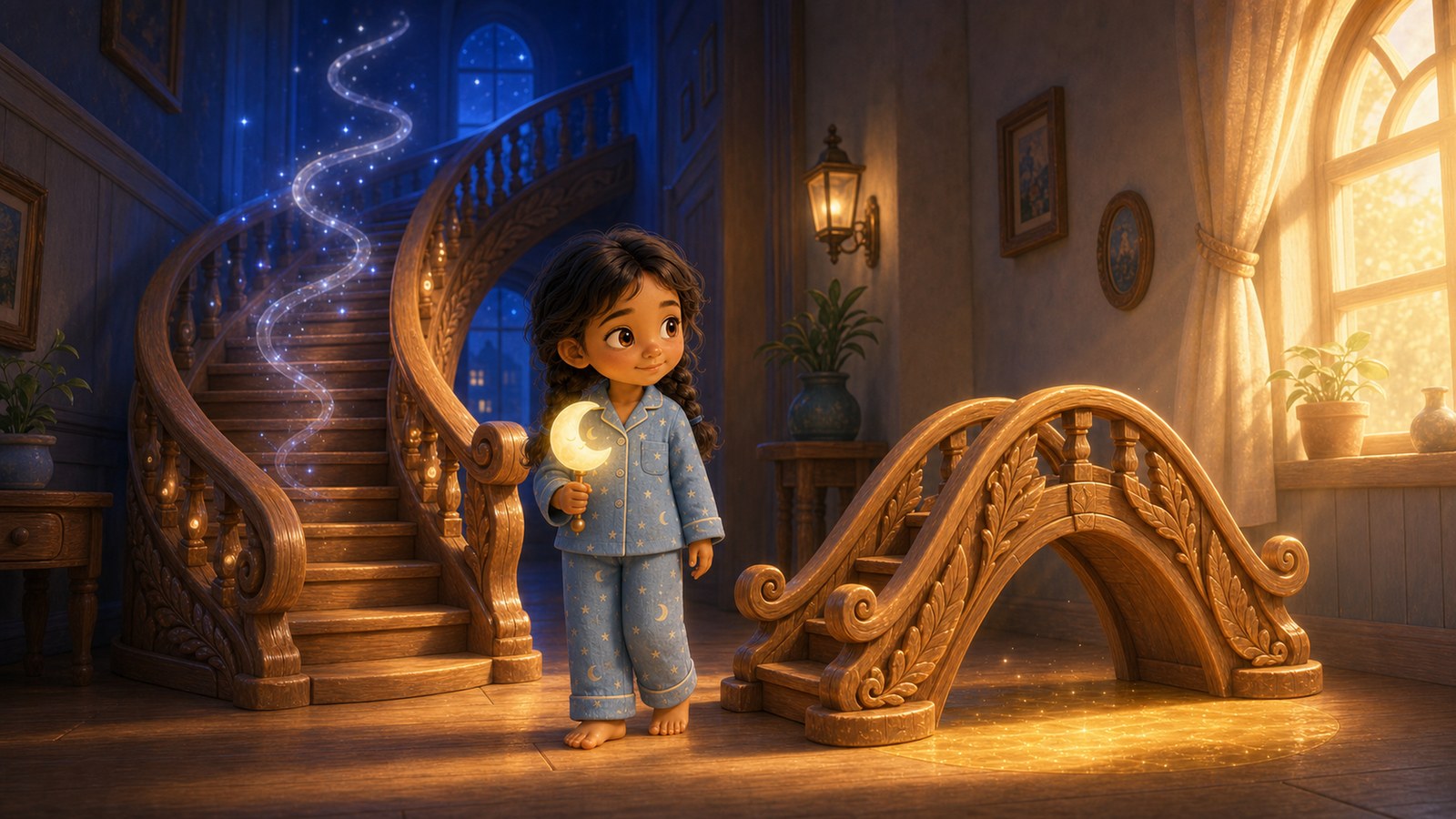

A sleepless boy climbs a moonbeam and relights the Moon for every dark window on Earth. Marnie, a small moon whale, listens to fallen stars and helps them find their way home. Lubomira helps a magical staircase learn that morning light does not erase nighttime magic, and a young desert fox returns a lullaby to the wind.
Tips for reading a sleepy story
- Slow down the last third. Lengthen the pauses and lower your voice as the characters settle.
- Let the child yawn. You do not need to notice, and certainly do not need to point it out.
- Stop on the sleepiest line. If your child’s eyes close mid-page, finish the sentence quietly and leave.
- Do not turn it into a test. Skip the questions tonight; the point is the wind-down.
If your child is wide awake despite everything, what to try when your child isn’t tired at bedtime has practical steps, and long bedtime stories for kids suits the nights that need a slower build. You will find more in the bedtime collection.