

Bedtime Stories About Honesty: Telling the Truth and Putting Things Right
By the Wonderbin team · October 17, 2026
Bedtime is when the truth tends to come out. The lights are low, the day is over, and a child who said nothing at dinner suddenly mentions the broken crayon, the thing they took from a friend’s bag, the fib they told their teacher. That makes the last half hour of the day a surprisingly good place for stories about honesty — not as a lecture, but as a quiet picture of what owning up looks like, and how much lighter everyone feels afterwards.
Why small children fib, and why it is not a crisis
Most children between three and eight try out untruths at some point. Younger ones often blur wishes and facts — “I didn’t spill it” can mean “I wish I hadn’t”. Older ones fib to dodge trouble or to keep someone they love from being disappointed. Neither is a sign of a character flaw. It is a skill being tested, and what helps most is making the truth feel safer than the alternative.
- Keep the reaction smaller than the confession. If owning up brings a bigger storm than getting caught, children learn to stop owning up.
- Thank them first, deal with it second. “Thank you for telling me” costs nothing and is the part they will remember.
- Leave the repair for tomorrow. A broken toy or an apology to a friend can wait until morning. At bedtime, the job is simply to let the worry go.
- Avoid the trap question. “Did you hit your brother?” when you saw it invites a fib. “I saw what happened — let’s talk about it” does not.
Stories where telling the truth makes things warmer
The best honesty stories do not punish the character who gets it wrong. They show a child or an animal holding something heavy, saying it out loud, and finding that the world does not end — it usually gets kinder. A shy schoolgirl whose pebble warms each time she tells the truth about the small orange cat she looks after; a homesick boy who learns from Astrid that the sea only answers when a feeling is spoken honestly.
Honesty that feels like relief, not a telling-off


Saying sorry and putting things right
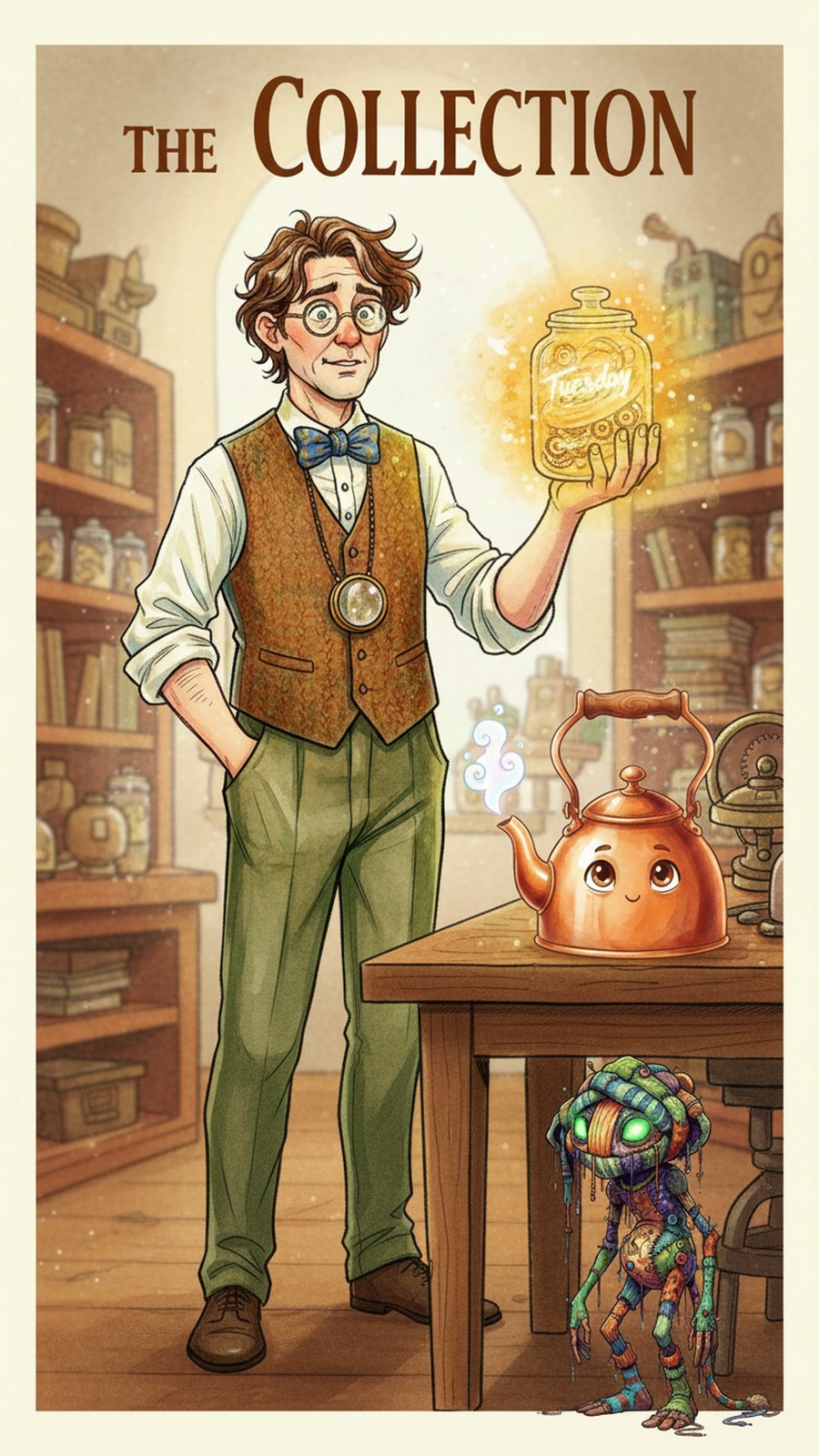
Honesty is only half the story; the other half is what you do next. In The First One to Say Sorry, Mairin accidentally breaks Selwyn’s treasured aeroplane, angry words fly, and it takes one brave first apology to bring two friends back together. And in a much sillier key, Ignatius P. Gribble hoards time, steals a whole Tuesday, and then has to fix the chaos he has caused — a funny way into the idea that mistakes can be mended.
Stories about owning a mistake and mending it

Fairness, which is honesty’s close cousin
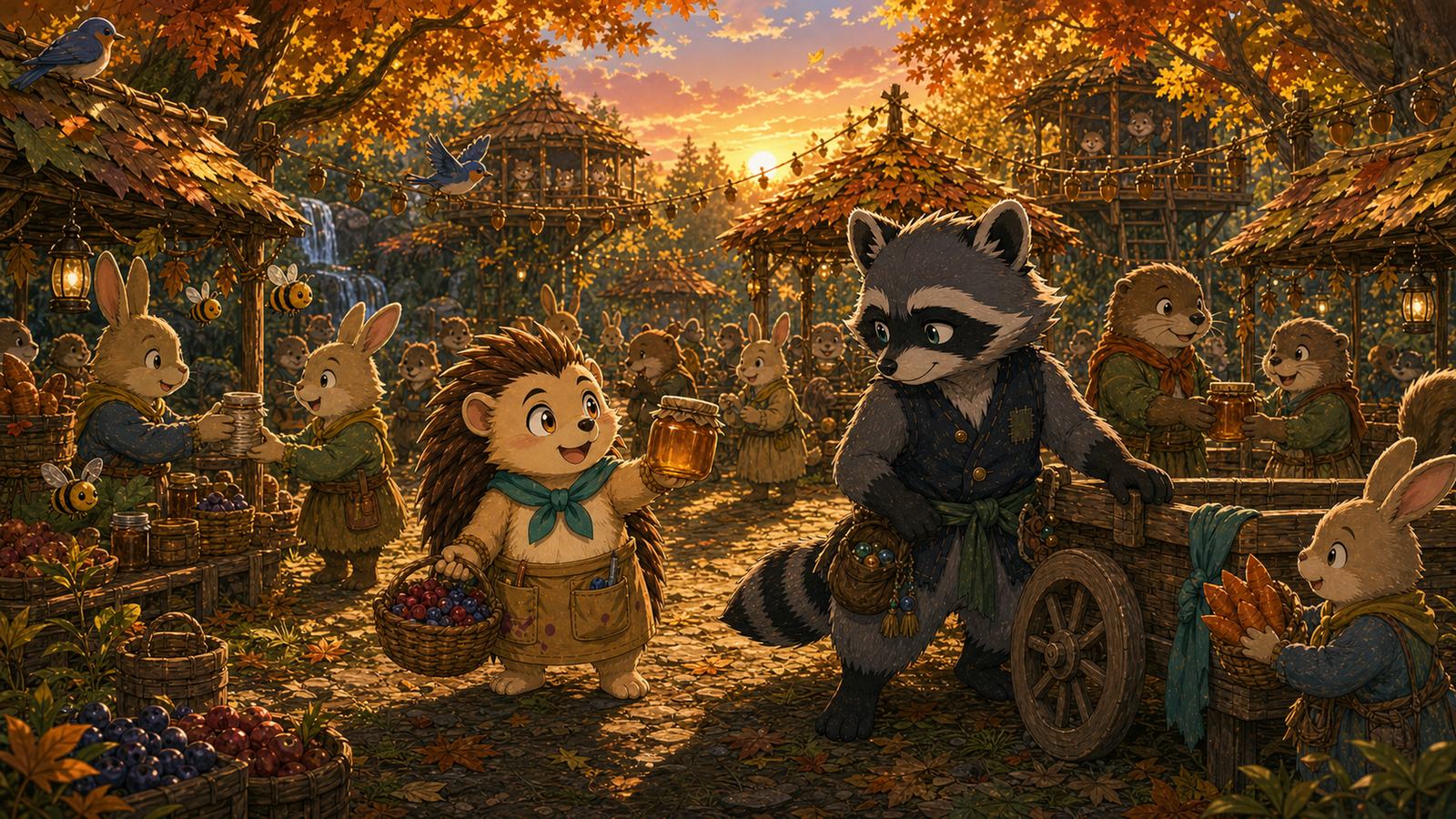
For younger listeners, “being honest” is abstract, but “being fair” is something they feel in their bones. Two forest stories make the link without spelling it out: Ingrid the hedgehog helps a clever raccoon see that a fair trade is about useful help rather than shiny trinkets, and Kari the bear cub and Rowena the fox kit discover a magical honey pot that rewards fair sharing.
Fair trades and honest sharing in the woods

Reading them without turning them into a sermon
- Do not connect the dots out loud. If your child fibbed today, resist “just like you with the biscuits”. They will make the link on their own, often a few minutes later in the dark.
- Ask about the character. “How do you think Mairin felt before she said sorry?” is easy to answer. “How did you feel?” can wait.
- Let the story be the reassurance. A character who tells the truth and is still loved says what you want to say, without you having to say it.
- If a confession comes, receive it calmly. A story about honesty sometimes opens the door. Listen, thank them, and promise to sort it out together tomorrow.
If a bedtime confession turns into tears, our guide to reconnecting when bedtime goes badly may help, and questions to ask after a bedtime story has gentle ways to talk about a story without quizzing. For more tales about kindness and mending friendships, browse the friendship collection or our list of bedtime stories about friendship.