
Questions to Ask After a Bedtime Story (Without Turning It Into a Quiz)
By the Wonderbin team · September 27, 2026
The book closes, the lamp is low, and there is a small pause before goodnight. That pause is where a lot of the value of a bedtime story actually lives — the moment a child turns the story over and connects it to something of their own. One good question can open it up. Five questions, asked in a teacher’s voice, close it straight back down.
Why one question beats a comprehension check
“What was the rabbit’s name?” has a right answer, and a tired child knows when they are being tested. “Which part would you want to see again?” has no wrong answer at all, which is exactly why children answer it. The aim at bedtime is not to check the story went in — it is to give the child a moment to say what it meant to them, if it meant anything tonight.
Questions that tend to open things up
- “Which picture was your favourite?” The easiest start for three- and four-year-olds. Pointing counts as an answer.
- “What do you think happens to them tomorrow?” Invites a child to carry the story on, which is imaginative work rather than recall.
- “Would you have done the same thing?” Better from about five. It asks for an opinion, and five-year-olds have plenty.
- “Who would you take with you?” Works for any quest or journey story, and often reveals who is on a child’s mind that week.
- “Why do you think they felt like that?” A question about the character’s feeling, not the child’s — much easier to answer honestly.
- “What was the funniest bit?” Good for ending on a light note after a longer or more serious story.
Questions to leave for daytime
- Anything with a right answer. Names, colours and plot order are fine over breakfast. At bedtime they feel like homework.
- “What did we learn?” If the story did its job, the child already has it. Spelling out the moral takes the story away from them.
- “Did that ever happen to you?” Asked straight after a story about fear or loneliness, it can undo the safe distance the story created. Let the child make that link themselves — many do, a minute later, in the dark.
- A string of follow-ups. One question, one answer, maybe one more if the child is clearly enjoying it. Then goodnight.
Stories that leave a good question behind
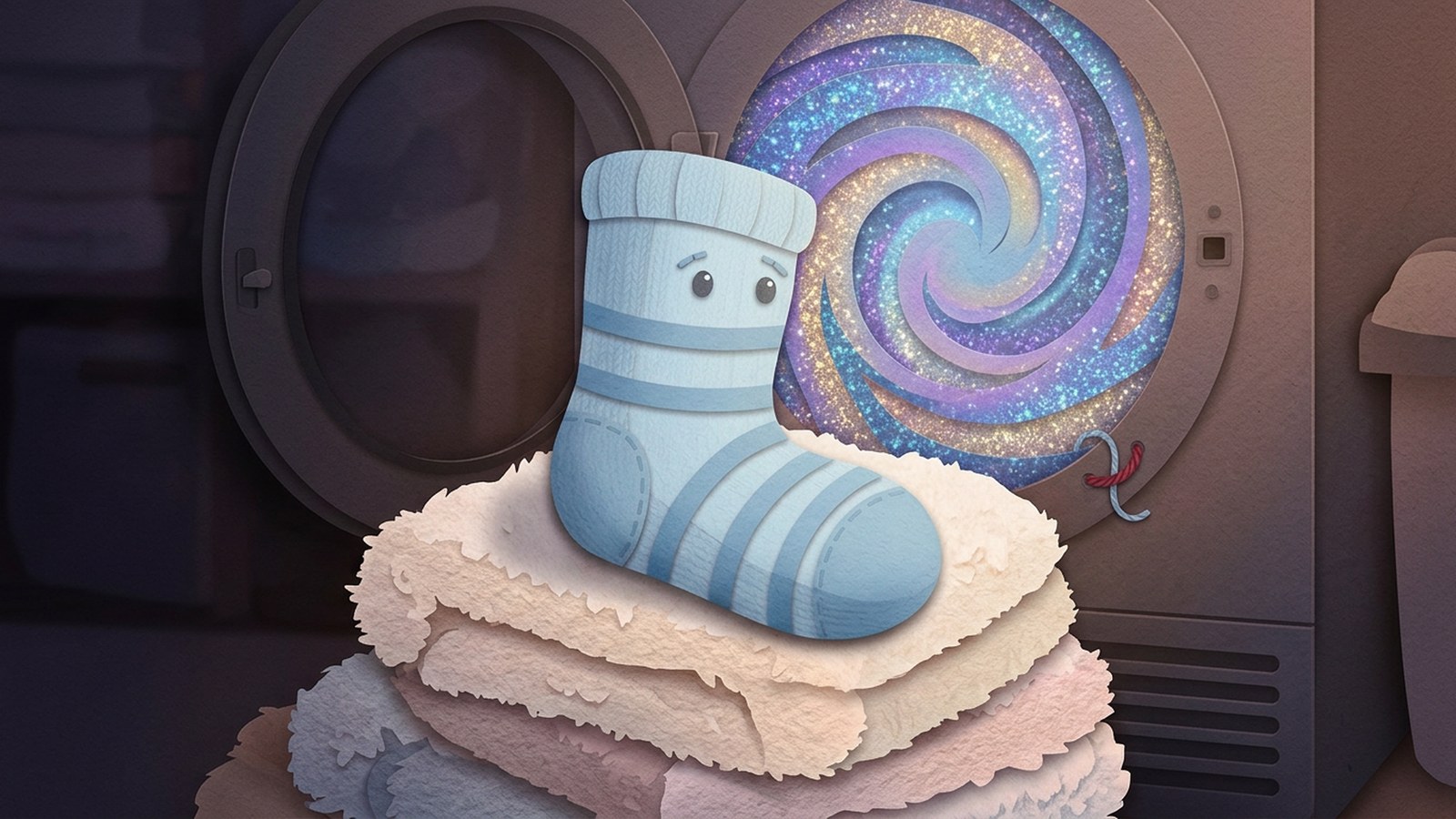
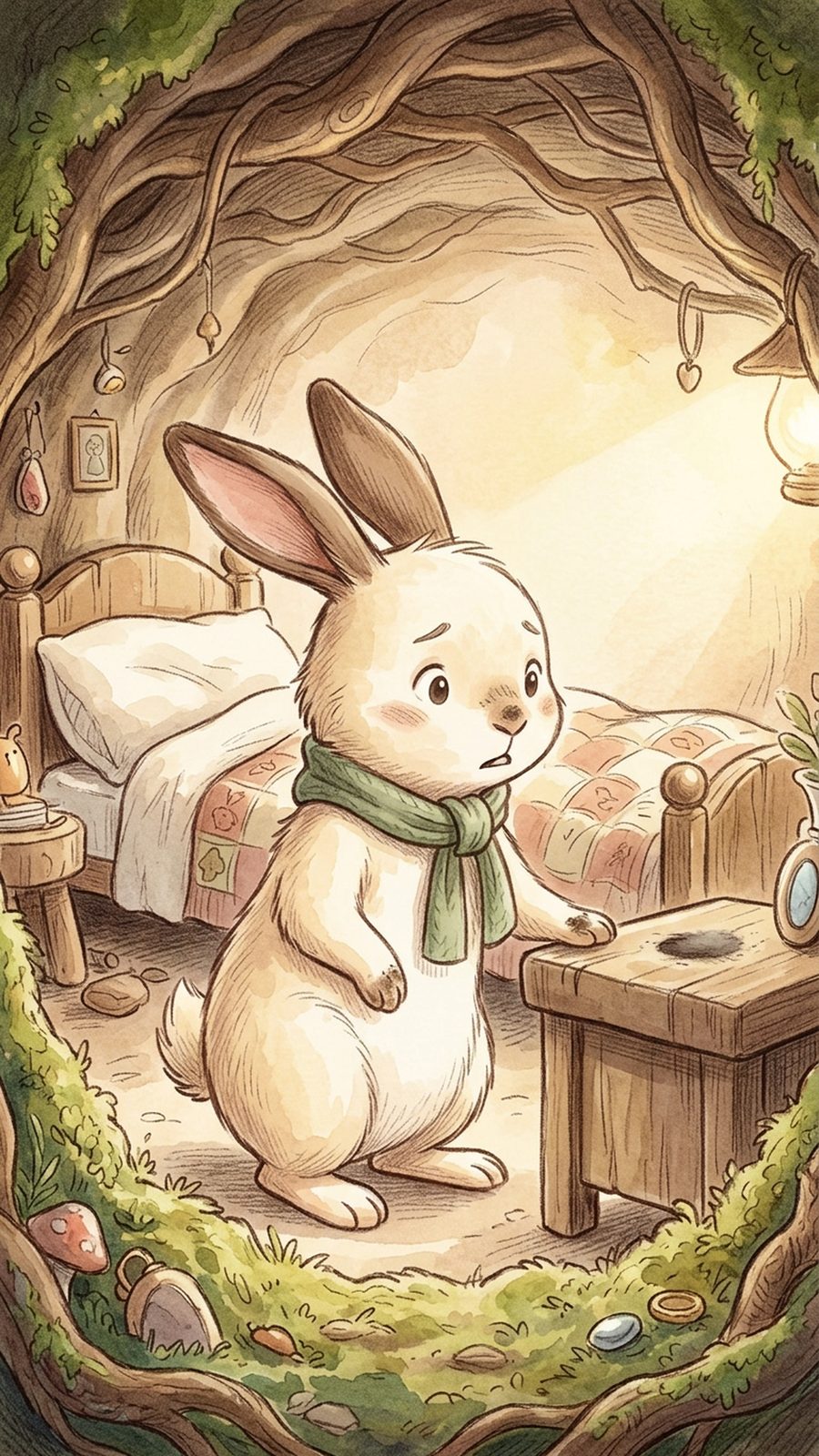
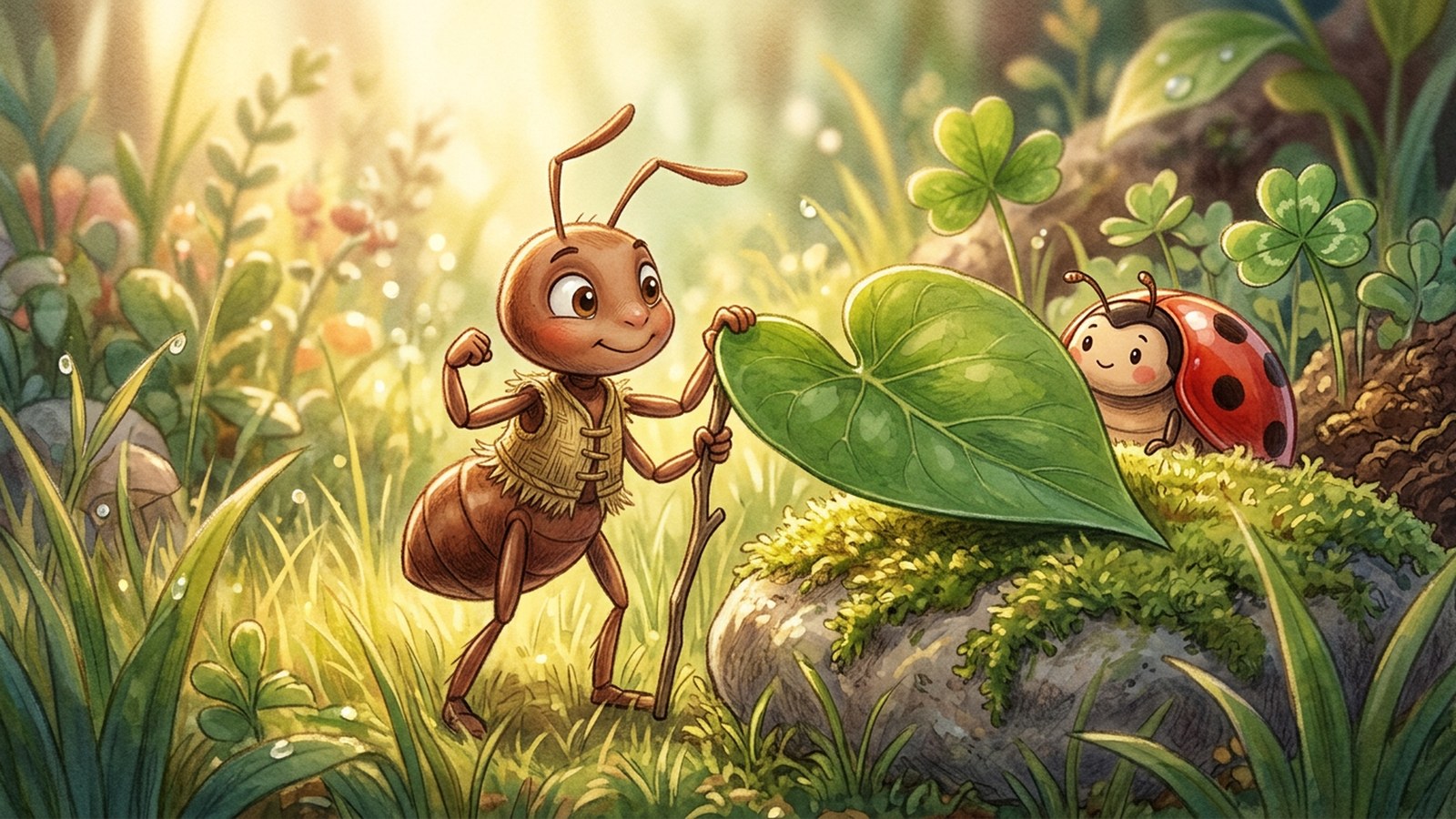
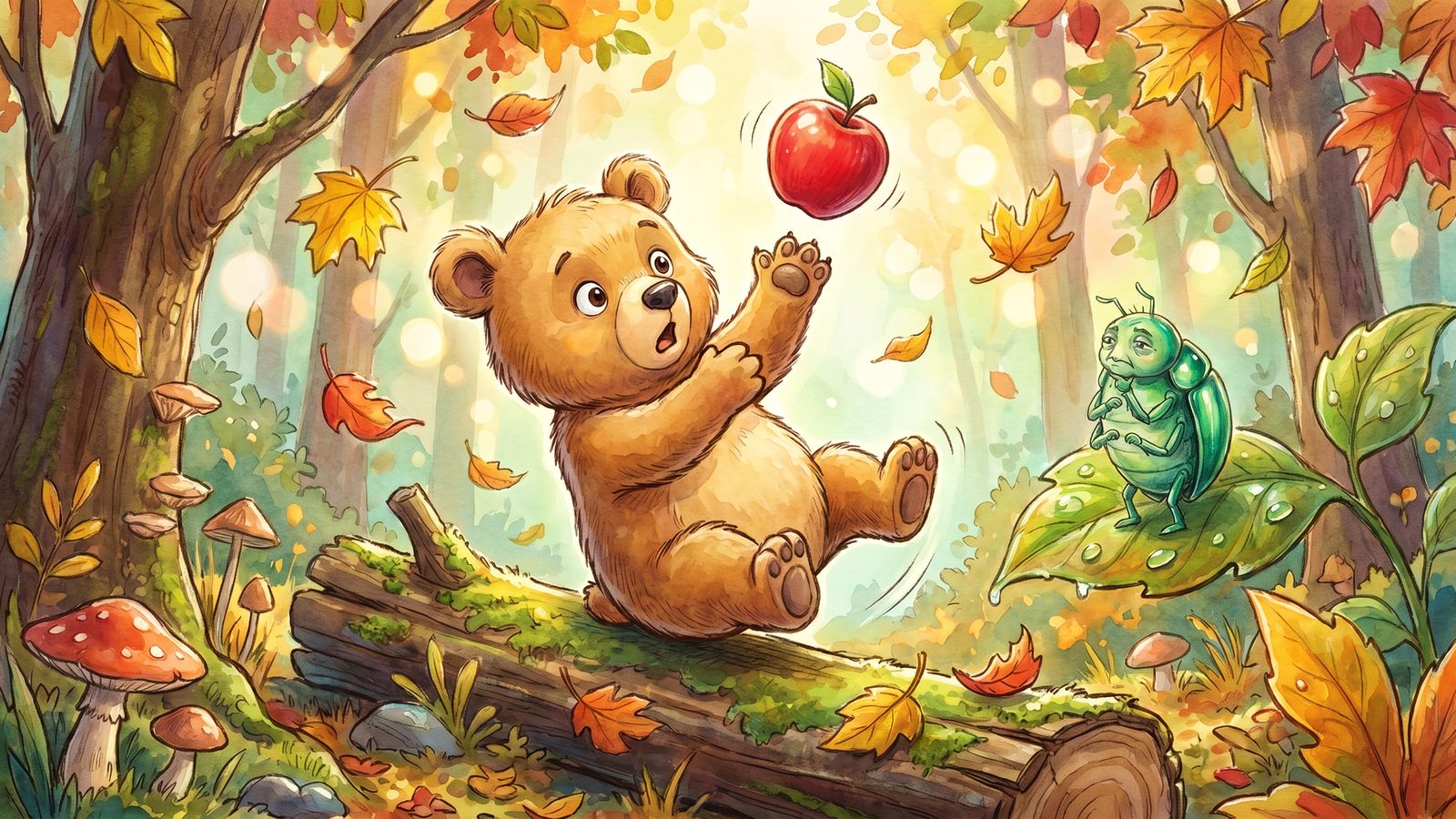
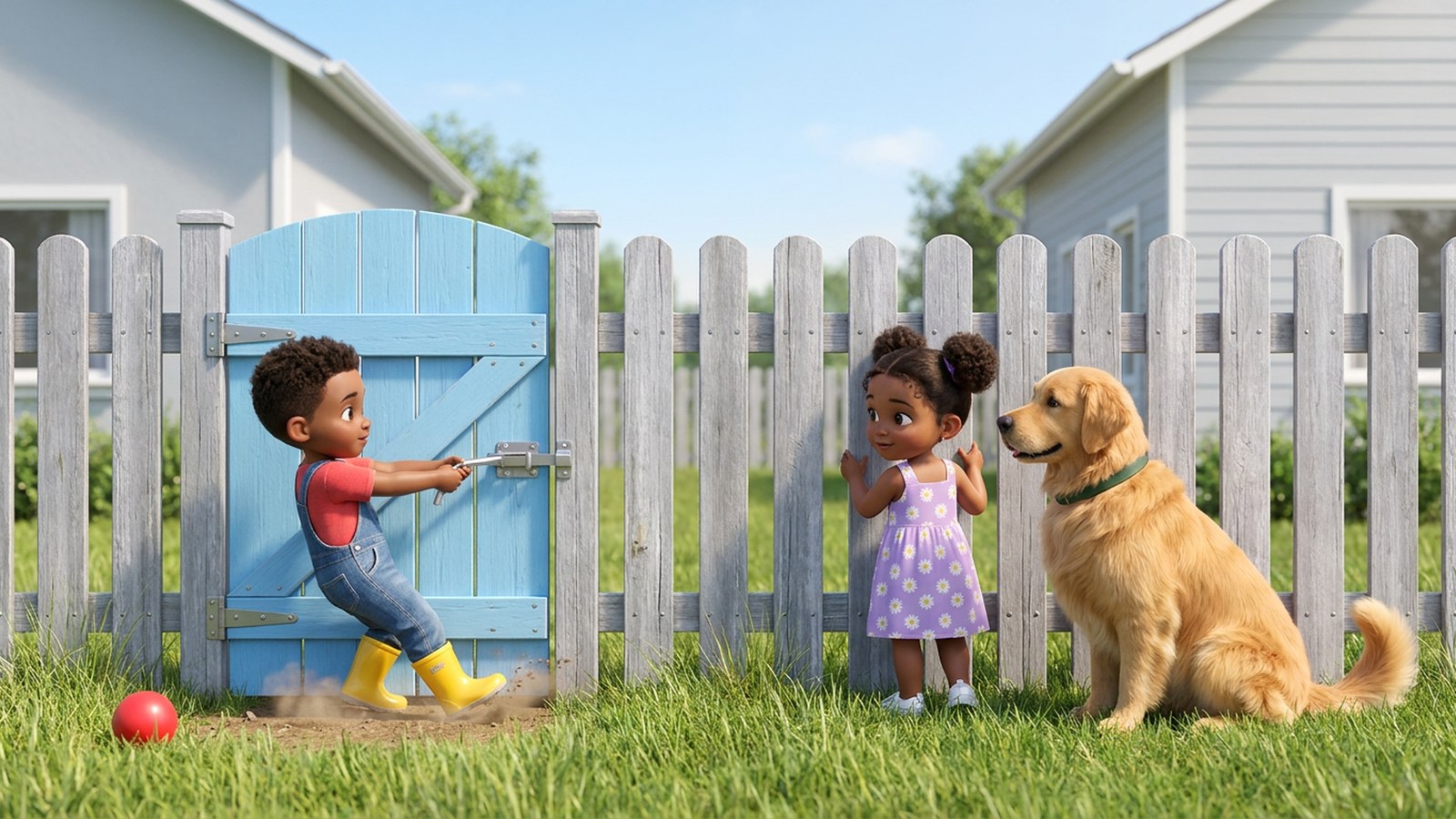
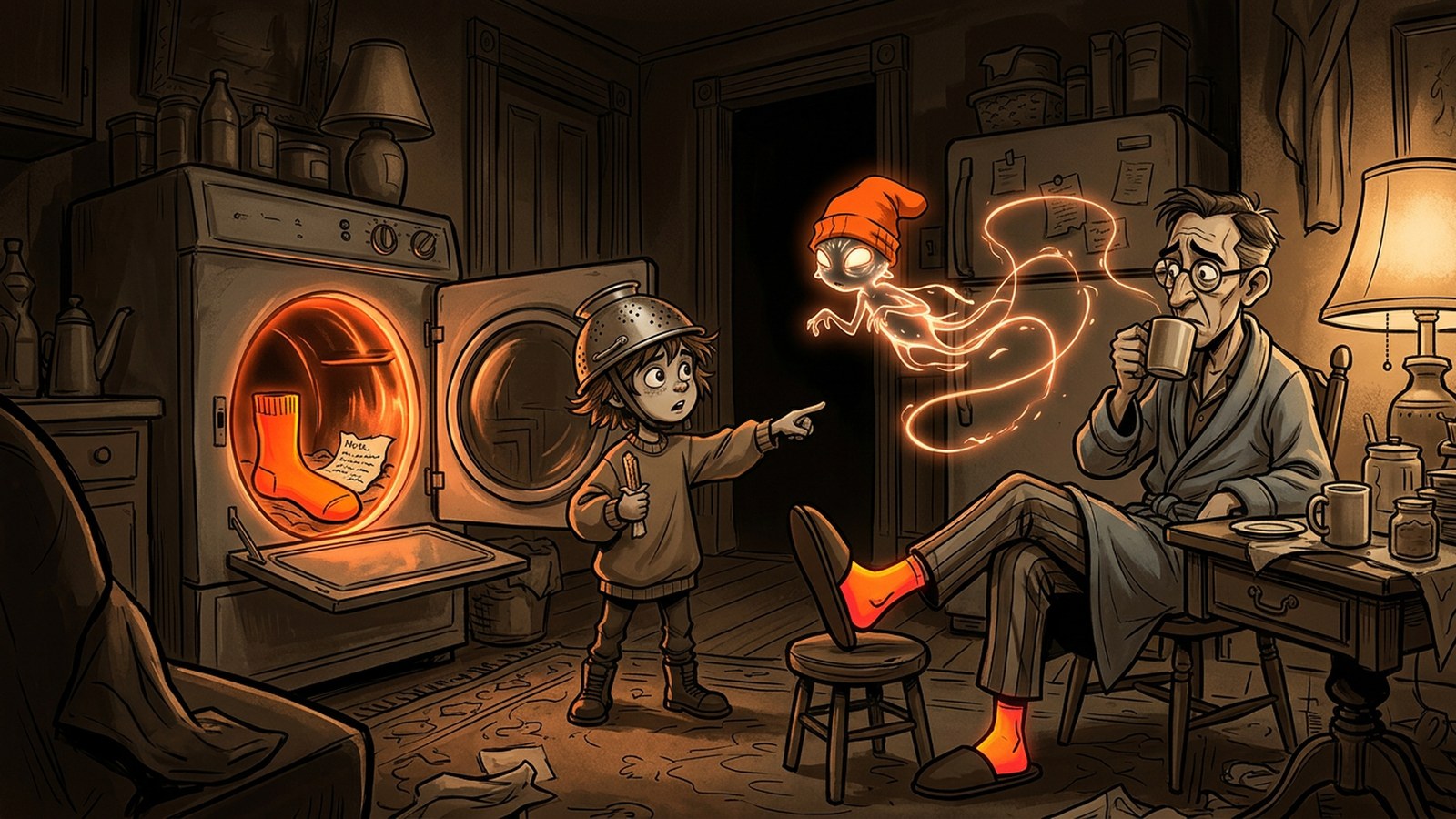
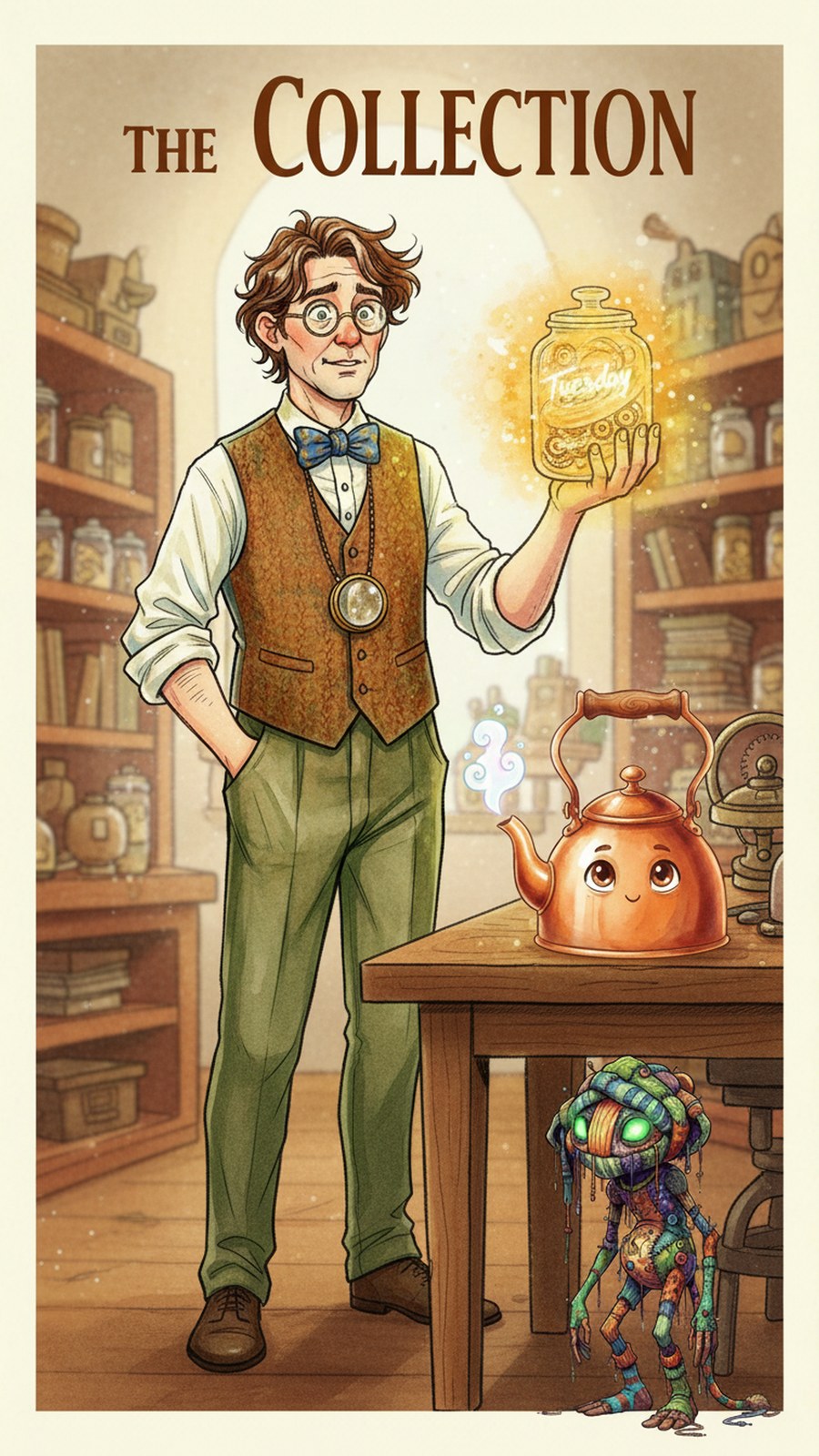
Some stories practically ask the question for you. For younger listeners, a search or a small puzzle gives an easy “where would you have looked?” For five and up, a story with a mystery or a slightly absurd idea tends to produce the best “why” and “what if” conversations — sometimes the next morning rather than at lights-out.
Short stories for 3+ with an easy question at the end
Stories for 5+ that spark “why” and “what if”
When the answer is “I don’t know”
Take it as a perfectly good answer. Some children process a story quietly and never want to talk about it at night; some only start talking once the light is off. Neither means the story did not land. Offer your own answer in a sentence — “I liked the bit with the socks” — and leave the door open rather than pushing for more.
For more on the reading itself, see how to read a bedtime story aloud with more expression and why reading aloud works. Browse the learning collection for curious minds, or the bedtime stories for something quieter tonight.