
12 Bedtime Stories About Friendship and Kindness (Free and Illustrated)
By the Wonderbin team · August 7, 2026
Most of what a small child worries about at night is social. Who sat next to whom. Who did not want to share. The moment at the playground that came out wrong and never quite got fixed. A story about friendship, read in the last calm ten minutes of the day, gives all of that somewhere to land — without anybody having to be asked how their day was. Here are twelve of our gentlest stories about friends, kindness and putting things right, all illustrated and free to read online.
Why friendship stories work at bedtime
- They name feelings a child cannot name yet. Left out, embarrassed, sorry but unable to say it — a story hands a child the words days before they could find them alone.
- They rehearse the repair, not just the trouble. Young children see falling out all the time and mending it far less often. A story shows the whole arc: the mistake, the apology, the friendship still standing afterwards.
- They are quiet by nature. Kindness stories rarely need chases or loud rescues. The stakes are small and human, which is exactly the temperature you want at lights-out.
Small acts of kindness
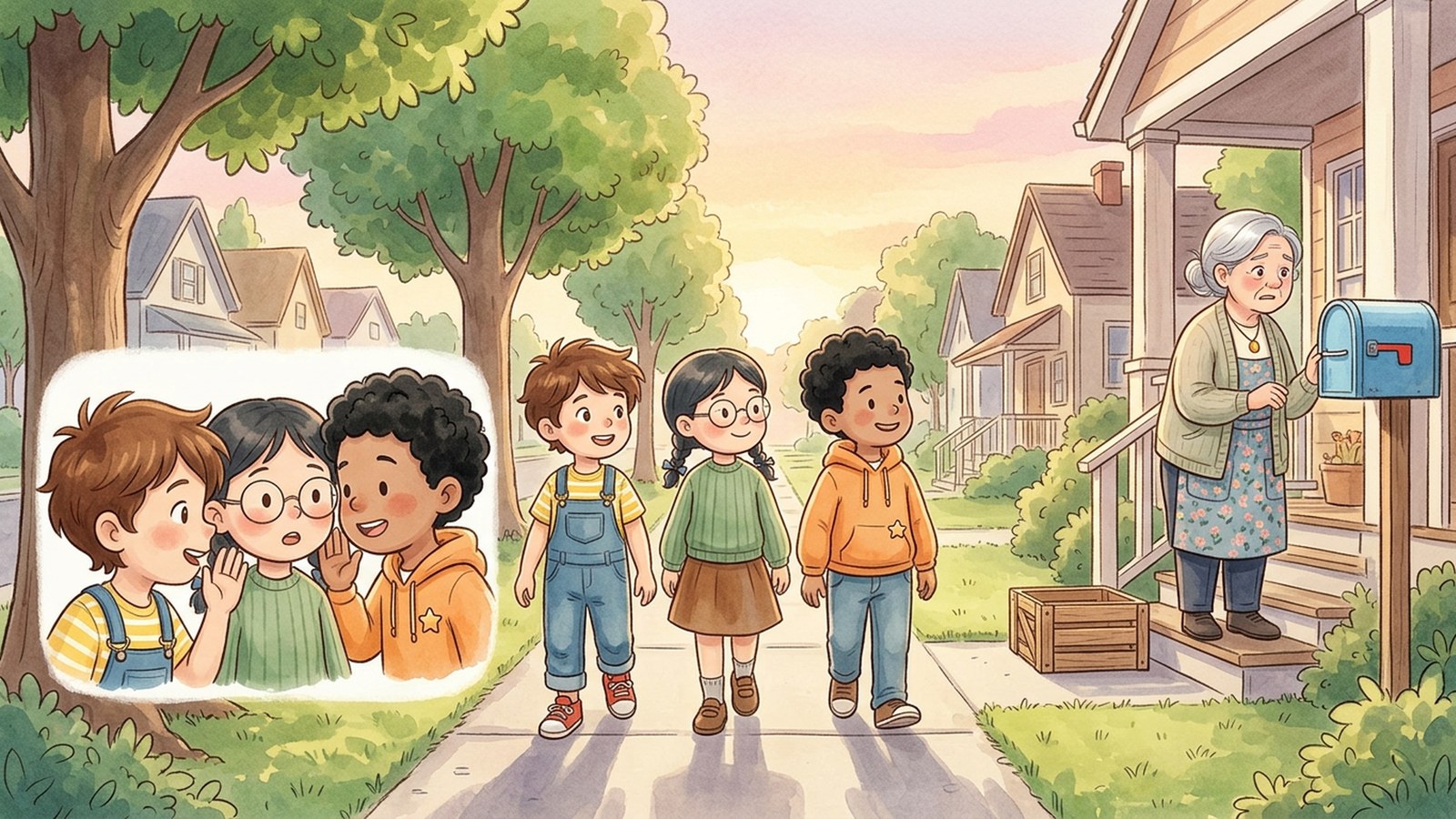
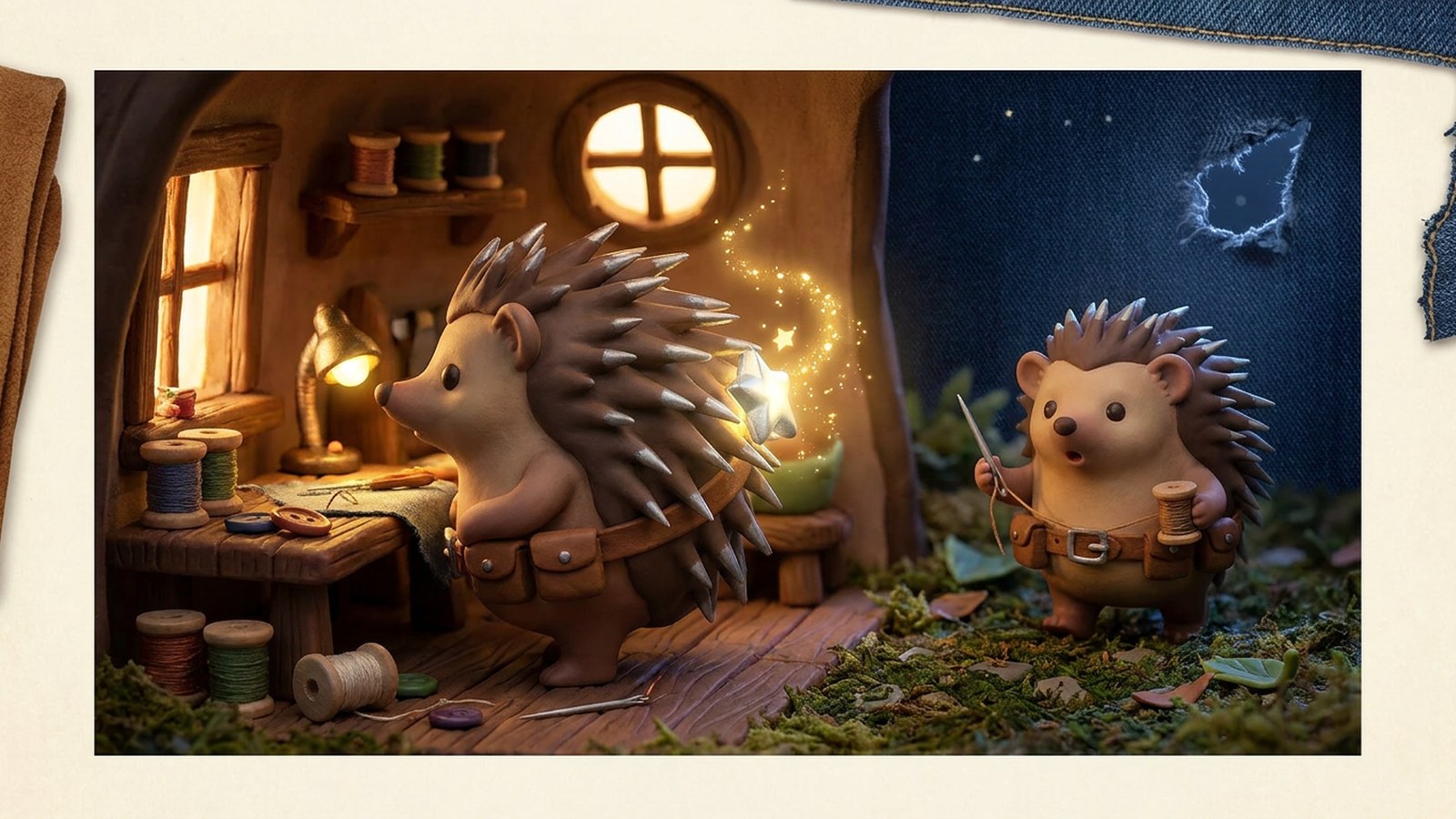
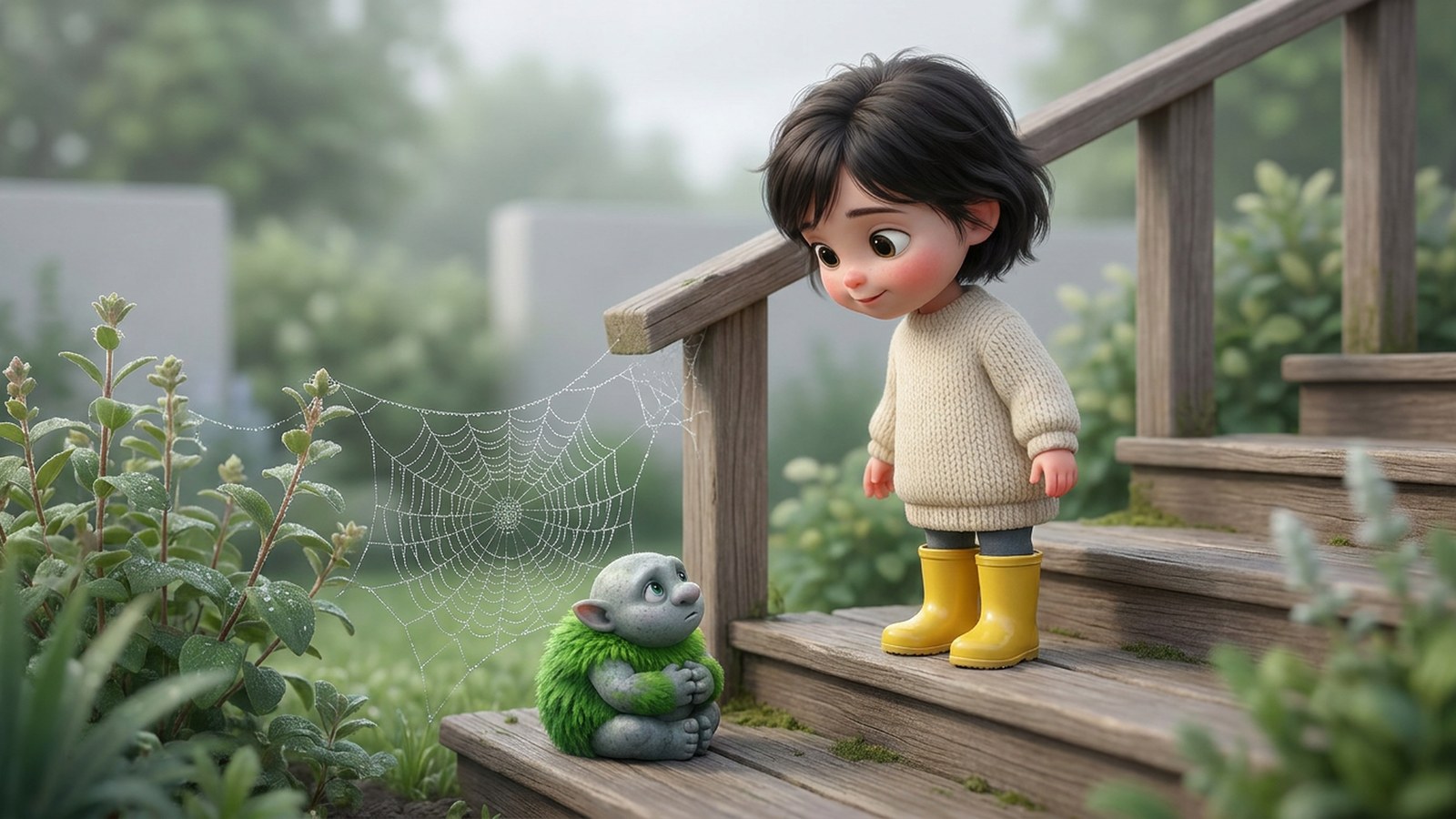
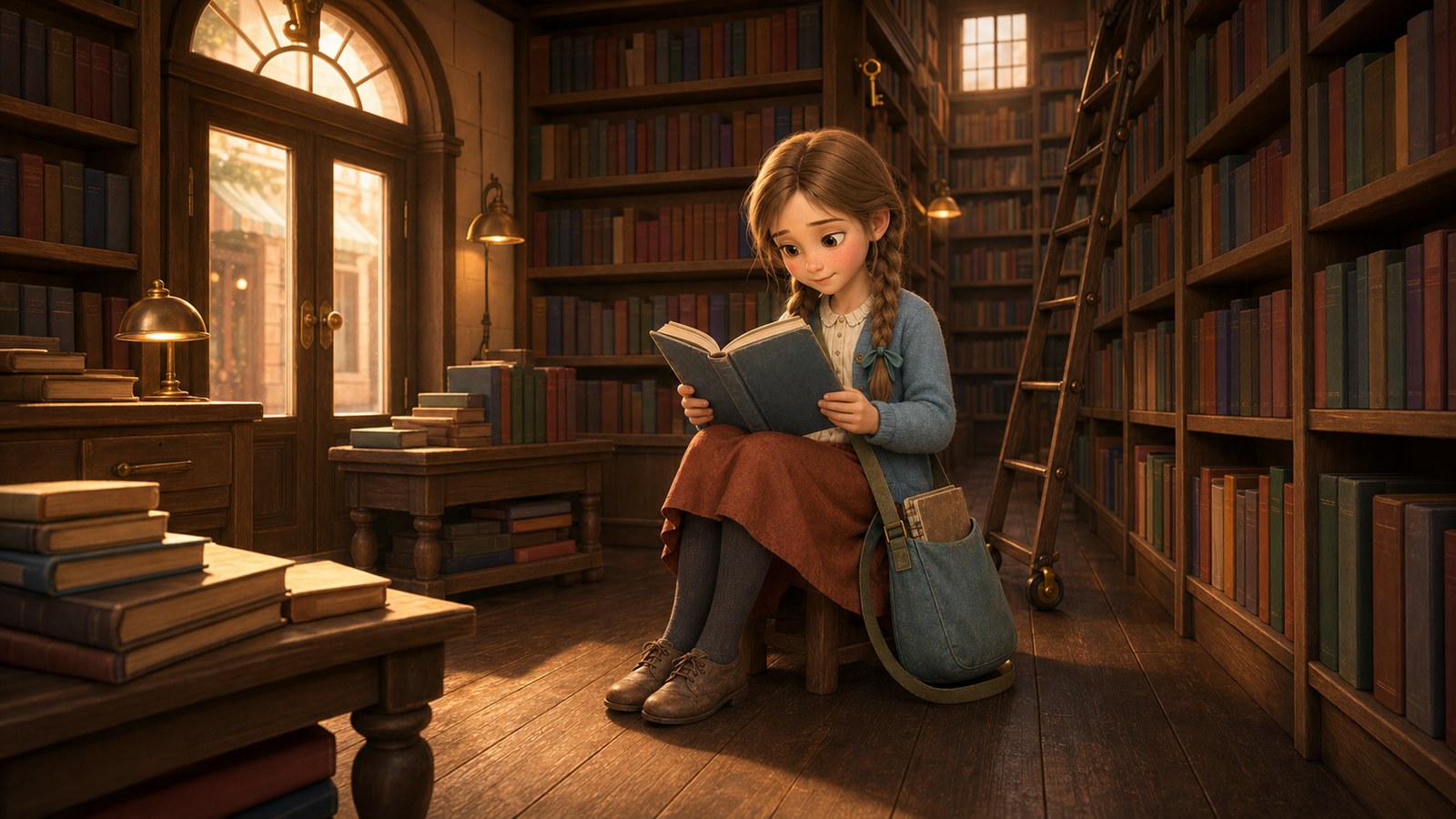
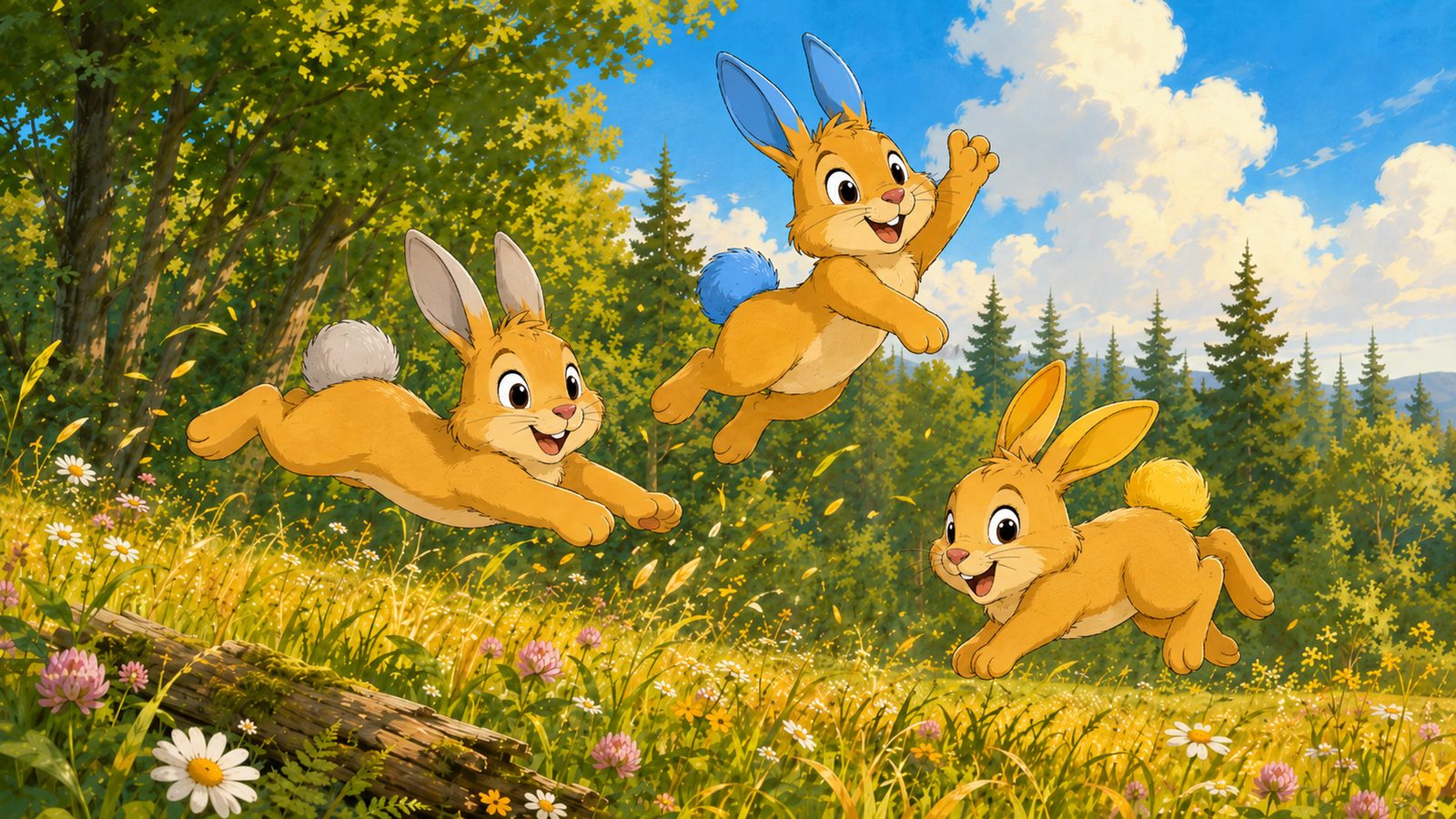
Helping a neighbour, walking a lost visitor home, mending something for somebody else — kindness at its most concrete, which is the only kind a three-year-old recognises. These four are labelled 3+ and the shortest runs five minutes, so they fit even a late start.
Kindness, in small and very doable sizes

Friends who show up when it is hard
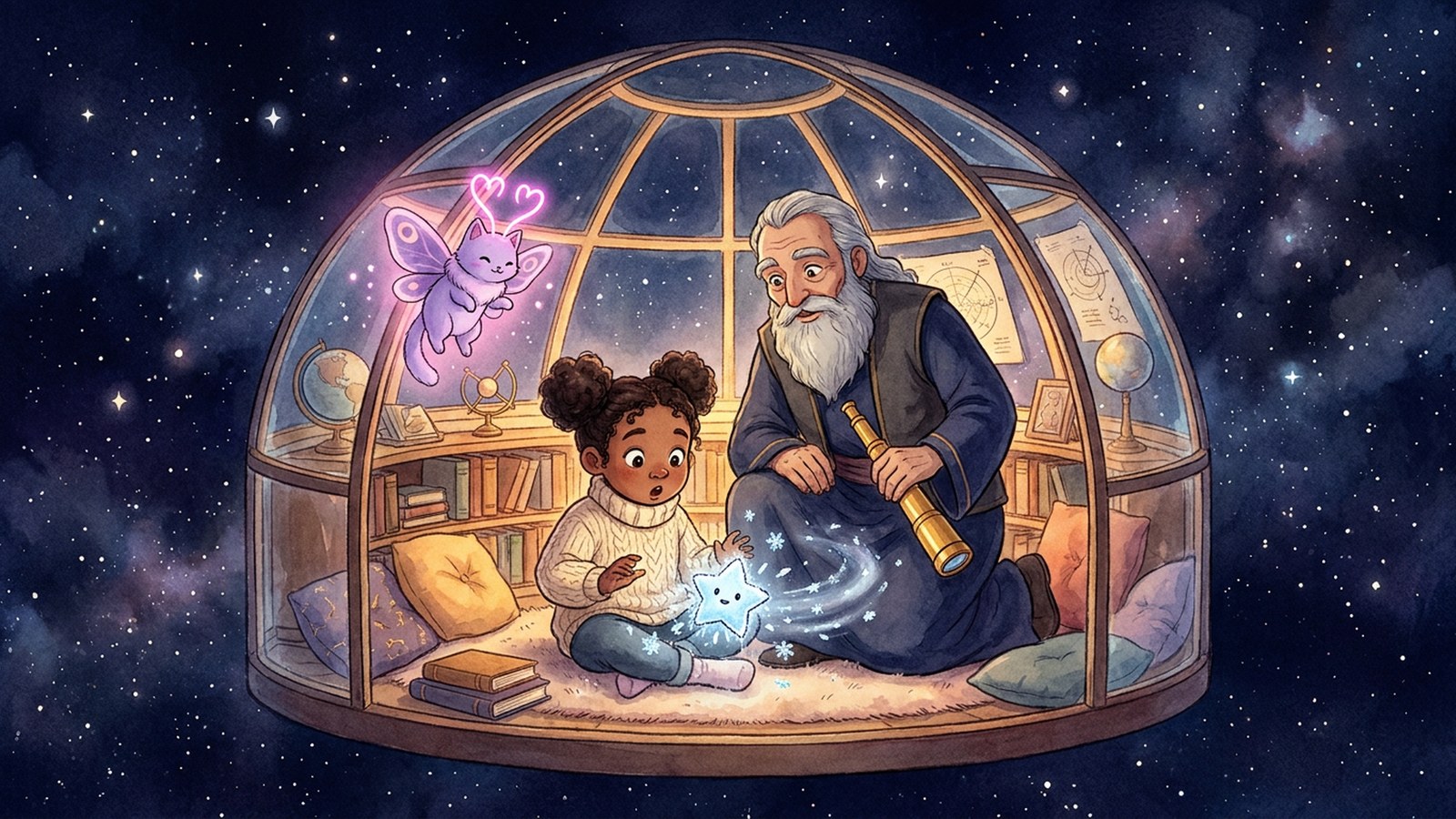
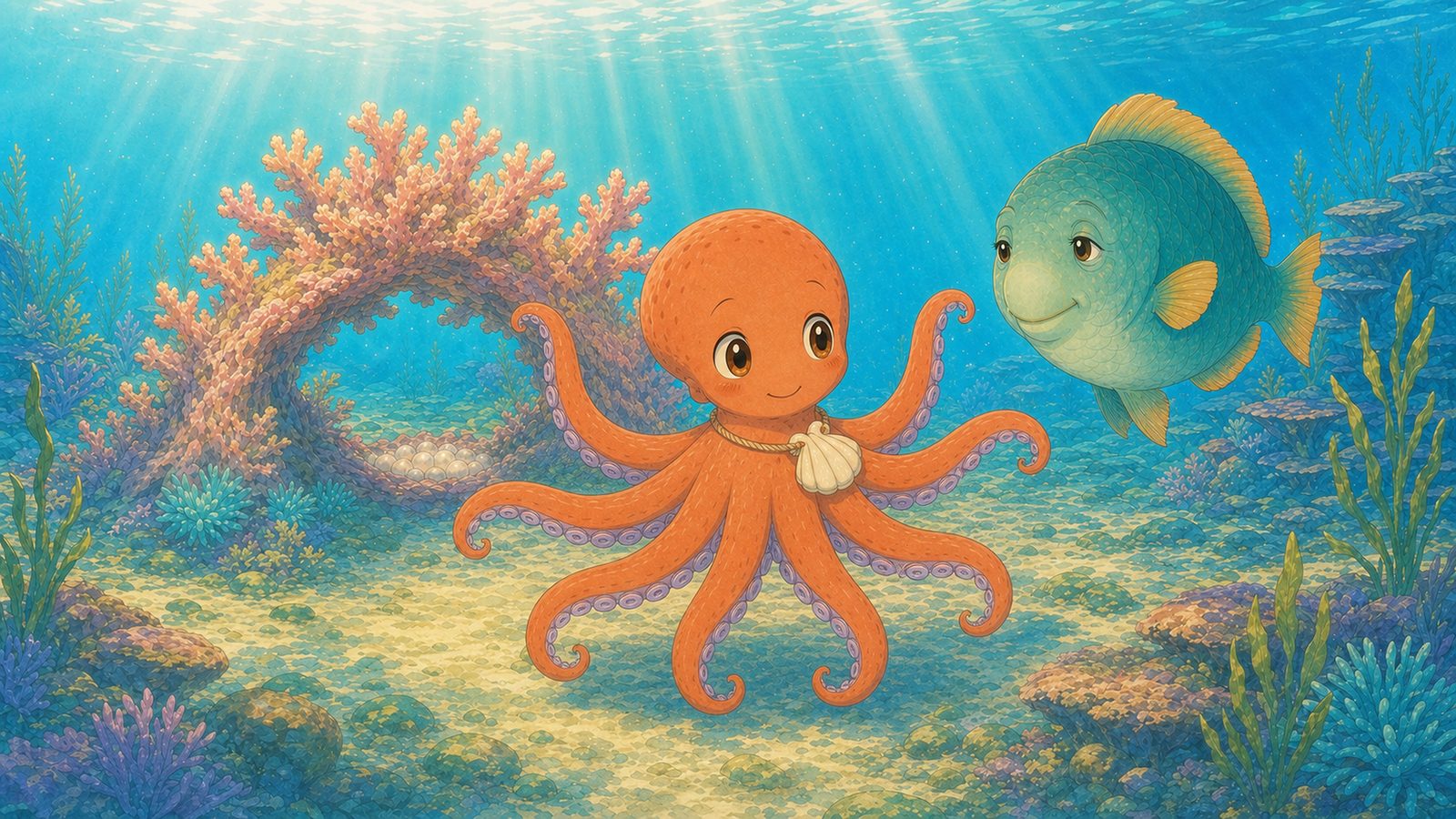
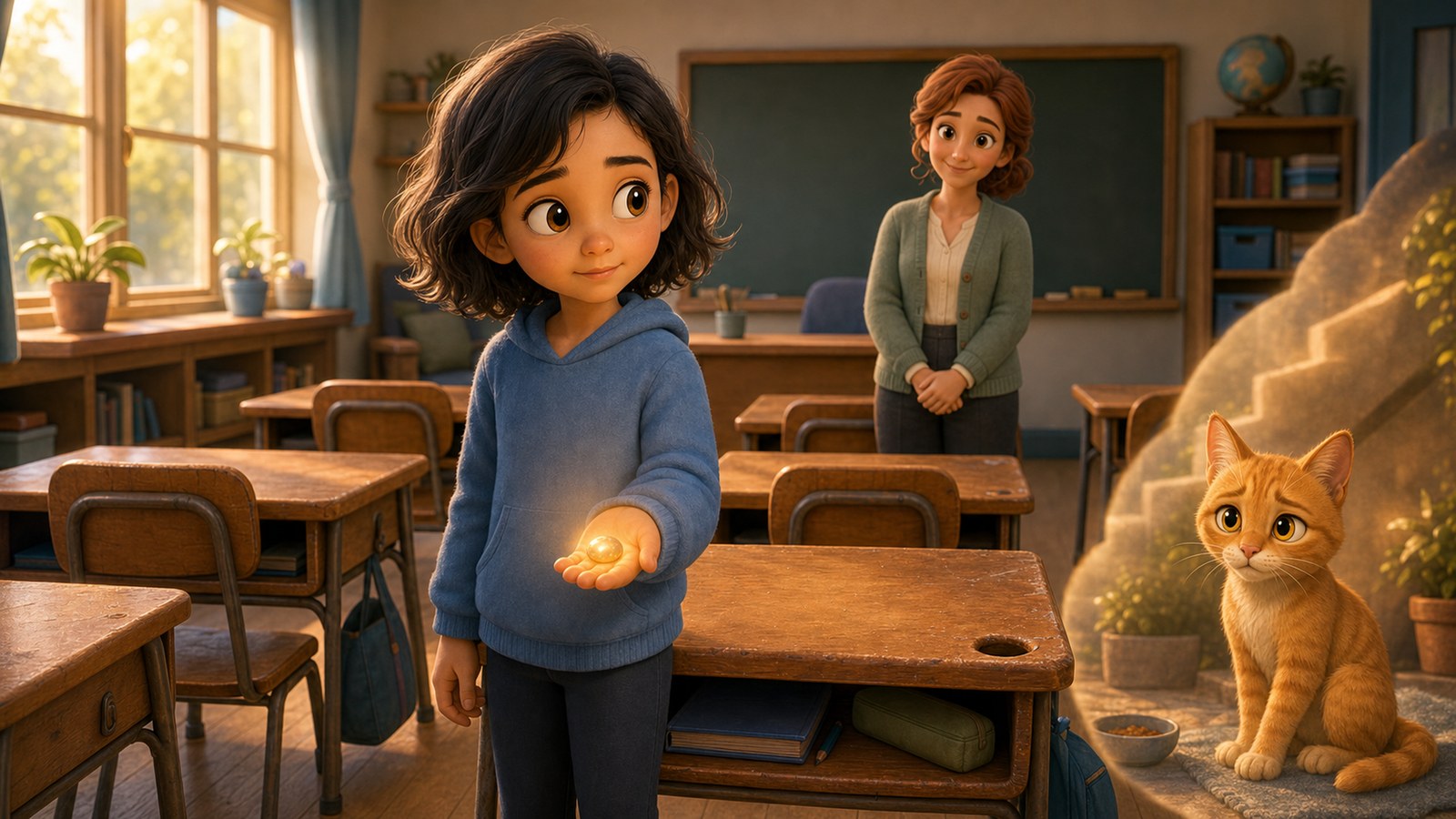
A first day at a new school, a storm through the reef, a night too cold to face alone. These suit listeners of about five and up: the problems are bigger, the friendships do the solving, and every one of them lands somewhere warm.
When somebody needs a friend
Honesty, apologies and fair trades
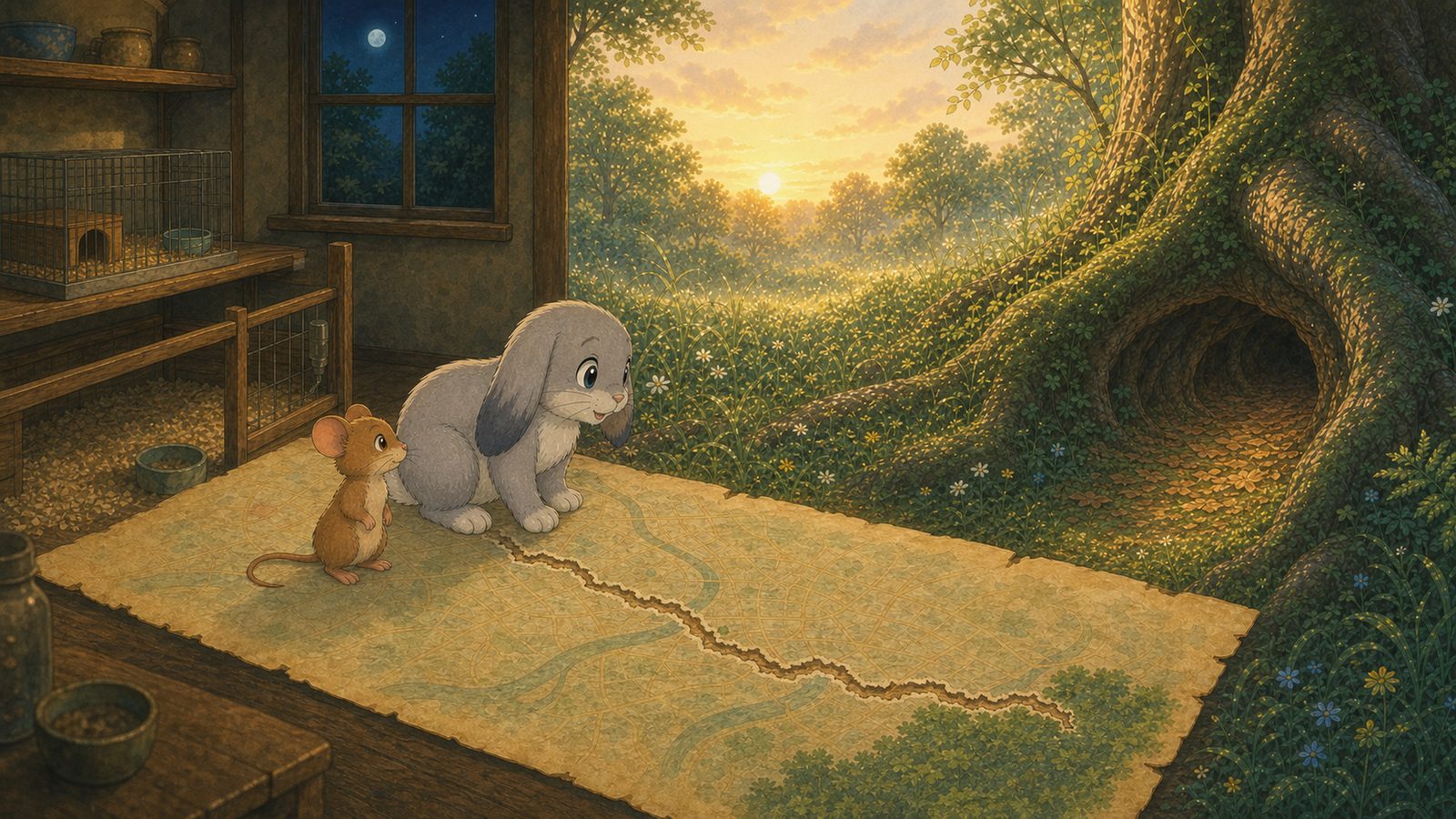
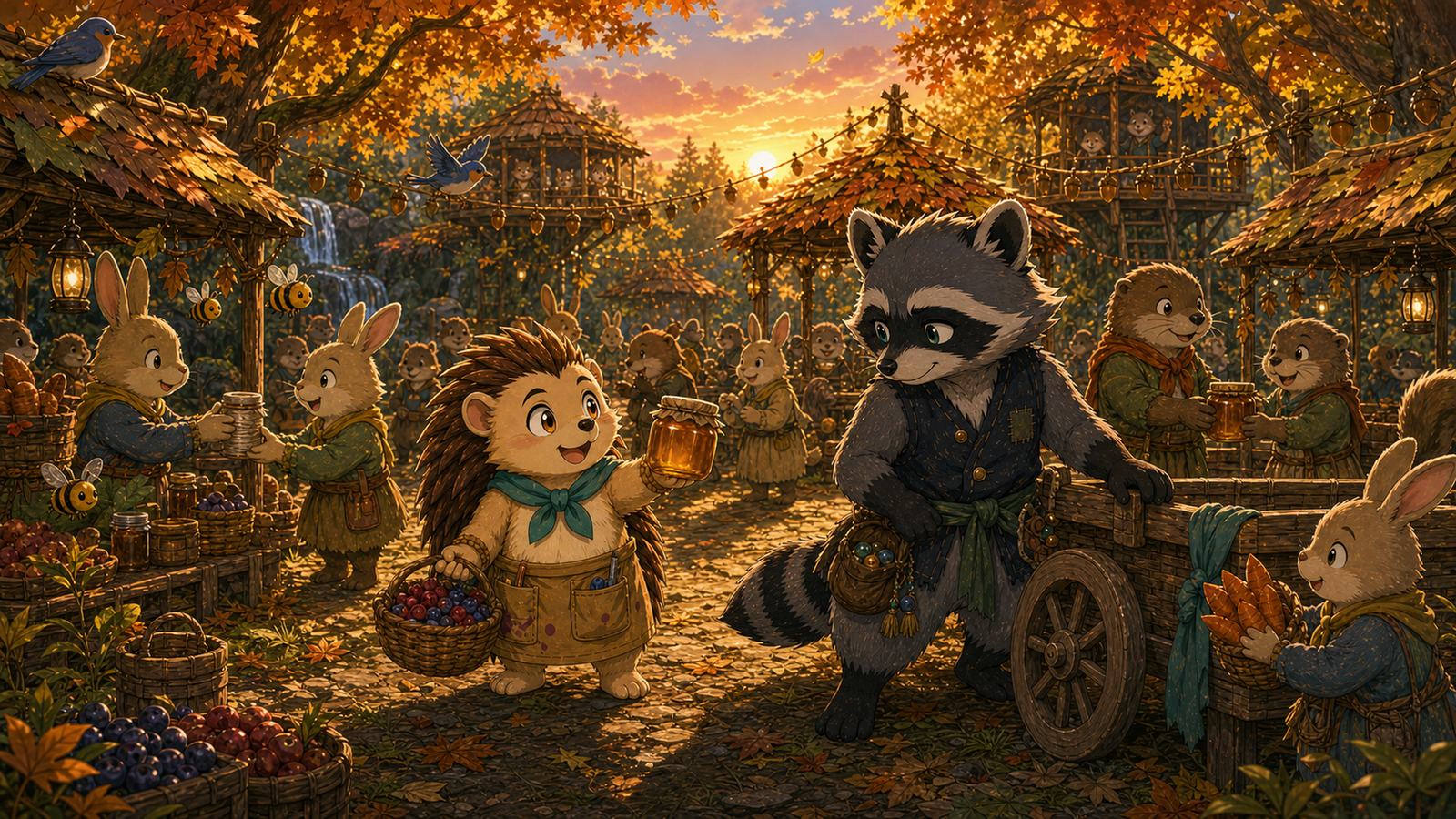
The harder half of friendship: telling the truth when a small lie would be easier, noticing that a bargain was not fair, giving something up for somebody else. Older listeners take these best — they are the stories children think about the next day.
Putting things right
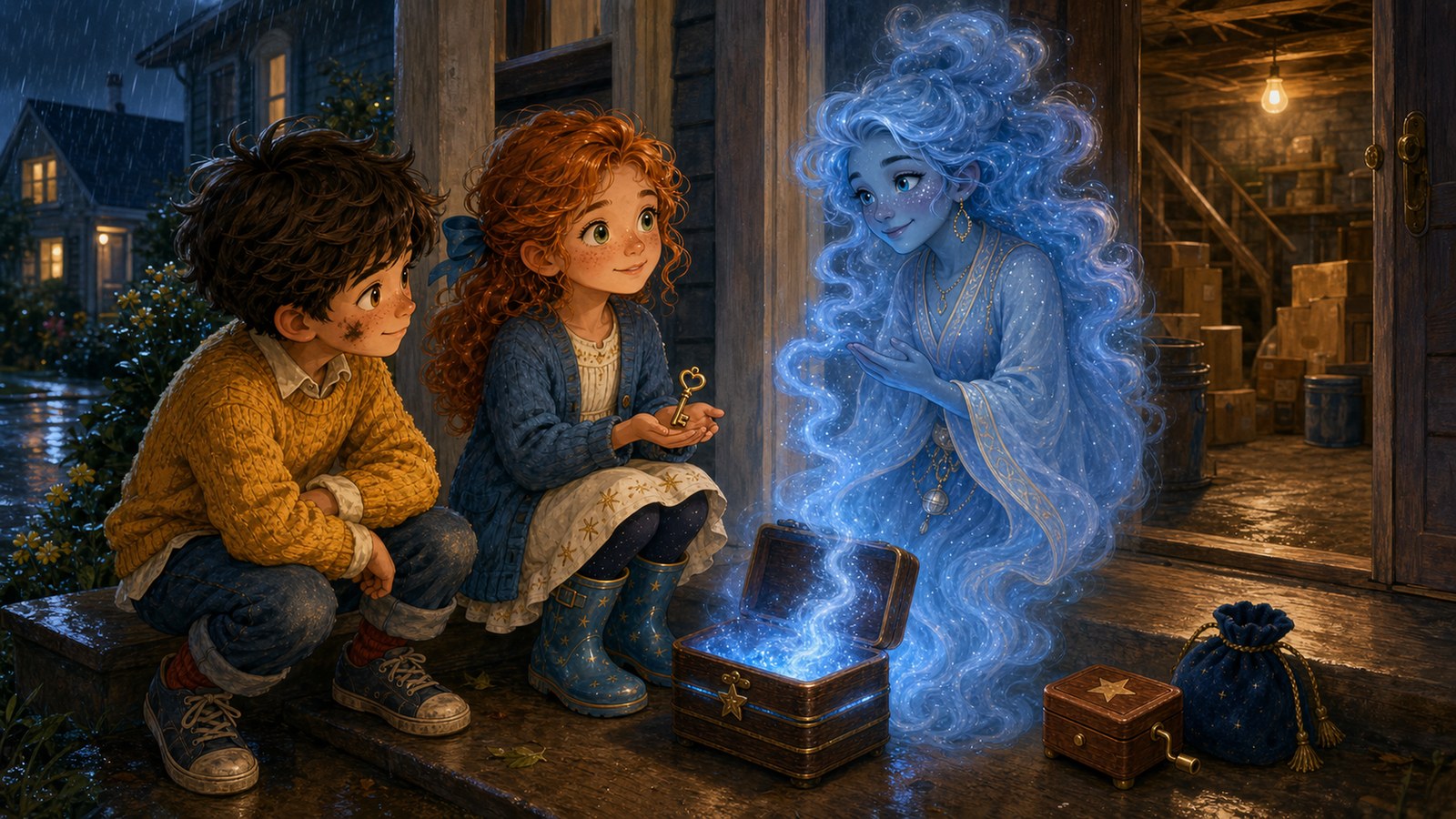
How to read them without turning them into a lesson
- Do not add the moral at the end. If the story worked, the child already has it. A closing “so what do we learn?” turns a story into homework, and homework is a poor way to fall asleep.
- Ask about the character, not the child. “Was the raccoon being fair?” is a question a five-year-old will answer honestly. “Were you fair today?” ends the conversation.
- Let a silence sit. Children often connect a story to their own day a minute after the book closes, in the dark. Leave the room for that.
- Expect the same story for a fortnight. When a child asks for one friendship story over and over, something in it is doing work. Reread it as long as they ask.
- Skip the sad middle if the evening is fragile. On a rough night, paraphrase the falling-out in one sentence and get to the mending. Nothing is lost.
The whole friendship collection shows the age range and read-aloud time on every cover, so a five-minute story is easy to tell from a twenty-minute one before you commit. If tonight calls for something shorter, our short bedtime stories to read aloud are all five to ten minutes, and the animal bedtime stories cover much of the same ground with fur and feathers instead.