

My Toddler Won’t Stay in Bed: Gentle Fixes That Actually Work
By the Wonderbin team · July 15, 2026
You finish the story, tuck the blanket, say goodnight, close the door — and forty seconds later a small silhouette appears in the hallway asking for water, a different teddy, or a report on where exactly the moon goes at night. If your toddler treats bed as a suggestion, you are living through one of the most universal chapters of parenting. It has a calm way out.
Why they keep getting up
Rarely mischief, almost always one of three things: momentum — the evening was too stimulating and the body simply isn’t ready; separation — the day’s last goodbye is genuinely hard at two and three; or discovery — the child has learned that leaving the bed produces interesting results: light, conversation, negotiation, perhaps a snack. The fix addresses all three: wind down earlier, say a warmer goodbye, and make getting up produce… nothing at all.
The boring return
- Walk them back every time, immediately. The first night this may be twenty times. That is normal and it is working.
- Say almost nothing. One quiet phrase, the same each time — “It’s sleeping time, back to bed.” No debate, no new information, no cameo appearances by favourite topics.
- Keep lights low and voice flat. You are being pleasantly, lovingly boring. Boring is the whole strategy: a hallway with no show to watch stops being worth the trip.
- Stay kind. This is not punishment. You are teaching, calmly, that after goodnight the interesting part of the day is over.
- Hold the line for a week. Most toddlers test hard for two or three nights, token-test for a couple more, then stop. Consistency between both parents matters more than any single night.
Head off the curtain calls
Most encore requests are predictable, so fold them into the routine before lights-out: a last sip of water on the nightstand, a bathroom visit as the official second-to-last step, and a “goodnight round” to say goodbye to the teddy, the lamp and the moon so nothing feels unfinished. A dim night light solves the dark; a one-sentence preview of tomorrow — “after breakfast we’ll go to the park” — solves the fear that something interesting happens without them.
Make the bed worth staying in
The return trip works better when bed is the warmest place in the evening. A slow wind-down, then one calm story in bed — same blanket, same spot, lights already low. A child who associates the bed with the day’s best ten minutes defends the bed instead of escaping it.
Quiet stories for the last ten minutes

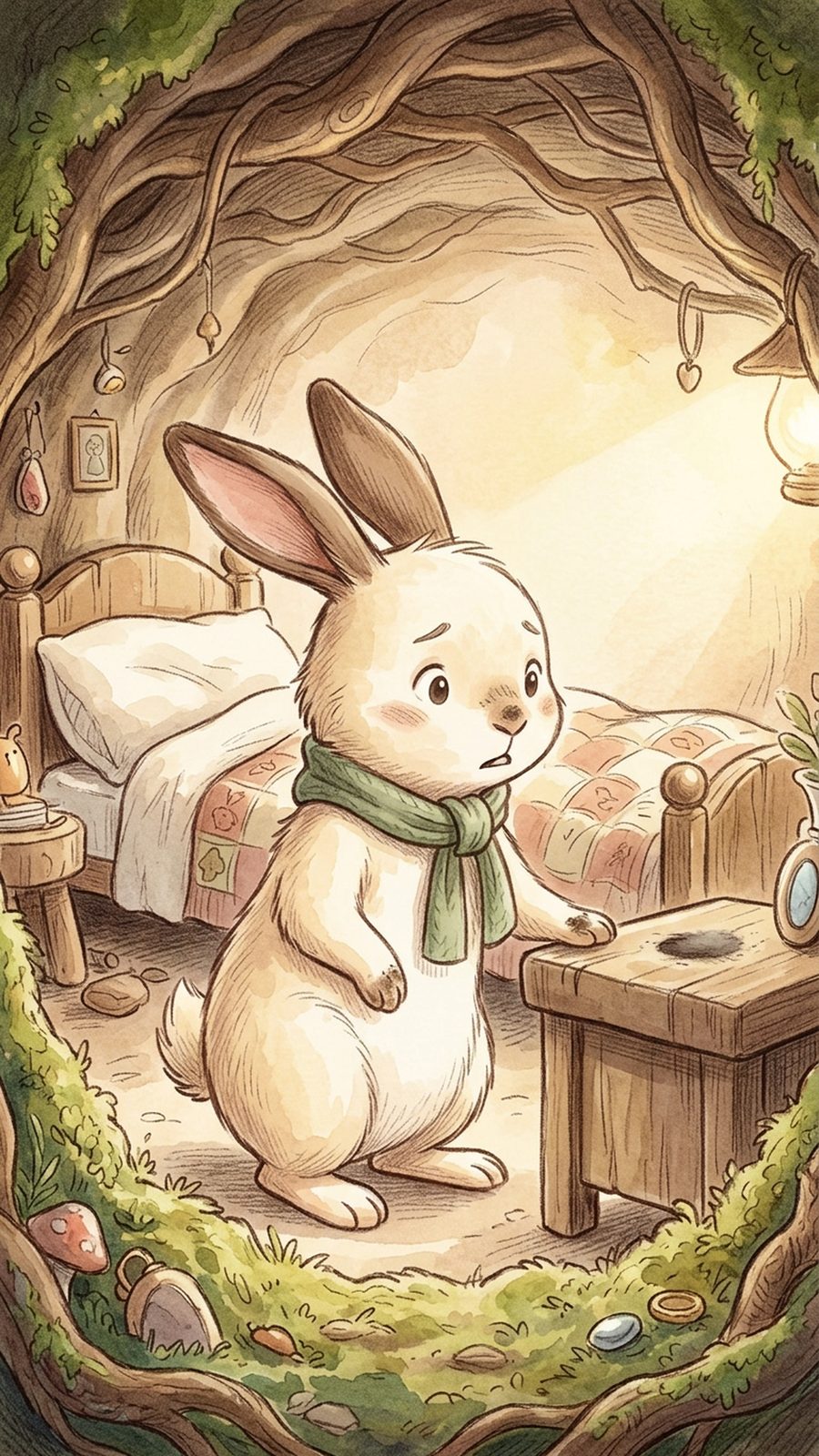



One honest caveat: if bedtime resistance comes with snoring, night terrors or real panic at separation, talk to your paediatrician — those are different problems with different answers. For the ordinary jack-in-the-box toddler, though, the recipe is short: calm evening, warm goodbye, boring returns, and a bedtime story worth staying under the blanket for.