Science Bedtime Stories for Curious Kids: Gravity, Thunder, Seeds and Clouds
By the Wonderbin team · November 10, 2026
Some children do not ask for a story at bedtime; they ask for an explanation. Why do things fall? Why does the thunder come after the lightning? Where do socks go? A good science-flavoured bedtime story answers those questions sideways, inside a tale, so the curiosity gets fed without waking the whole brain up again.
What makes a science story bedtime-friendly
- The wonder comes first, the facts second. A bear learns that the Earth is giving everyone a big, safe hug. The idea is real; the telling is soft.
- A character does the working-out. A grandfather, a niece or a child follows a clue, and the child listening gets to feel clever alongside them.
- The answer makes the world feel safer. Understanding why a storm rumbles is often the end of being scared of it.
- The ending still settles. No cliff-hanger, no “to be continued” on the last page.
Stories that explain how the world works
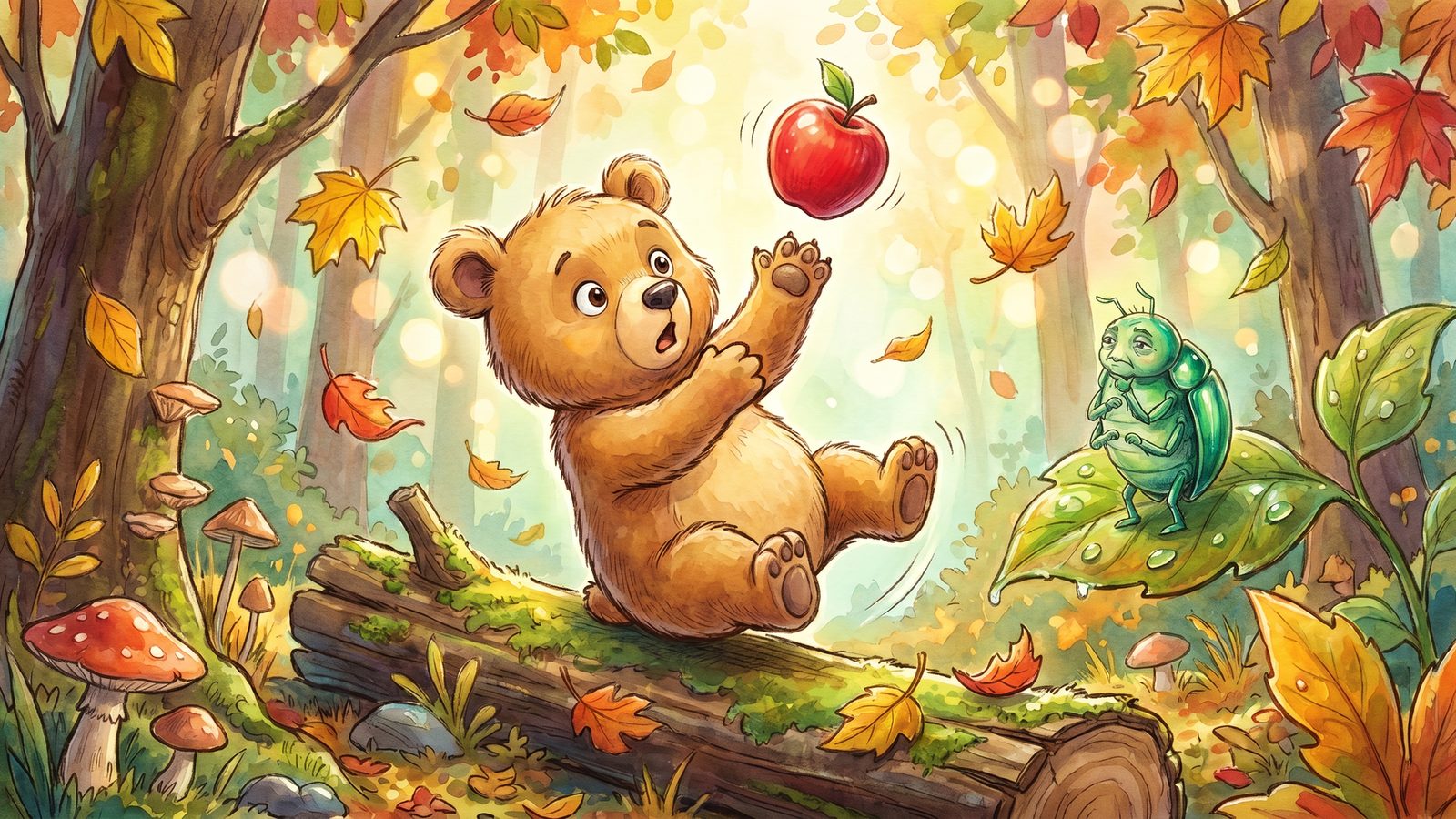
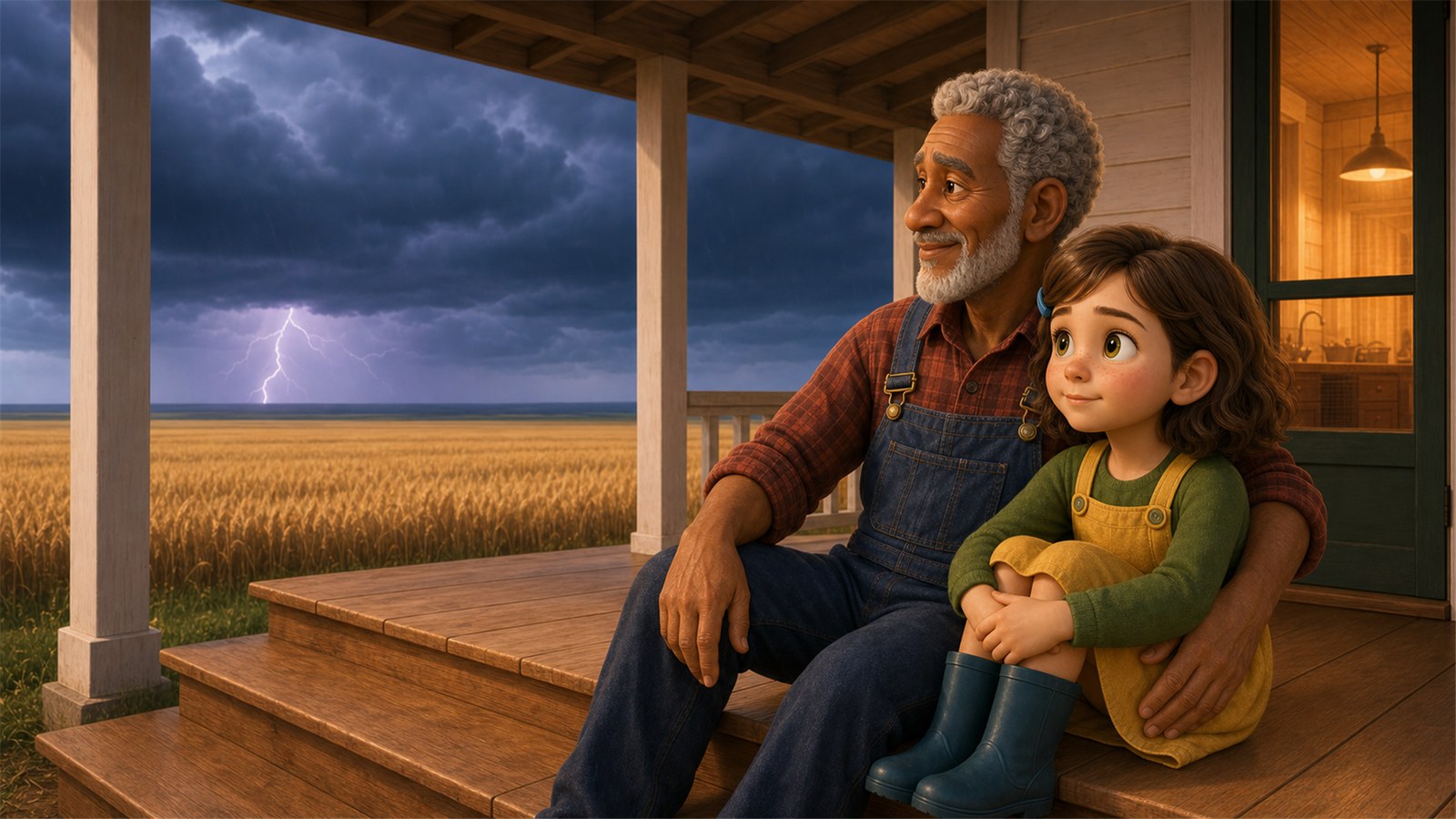
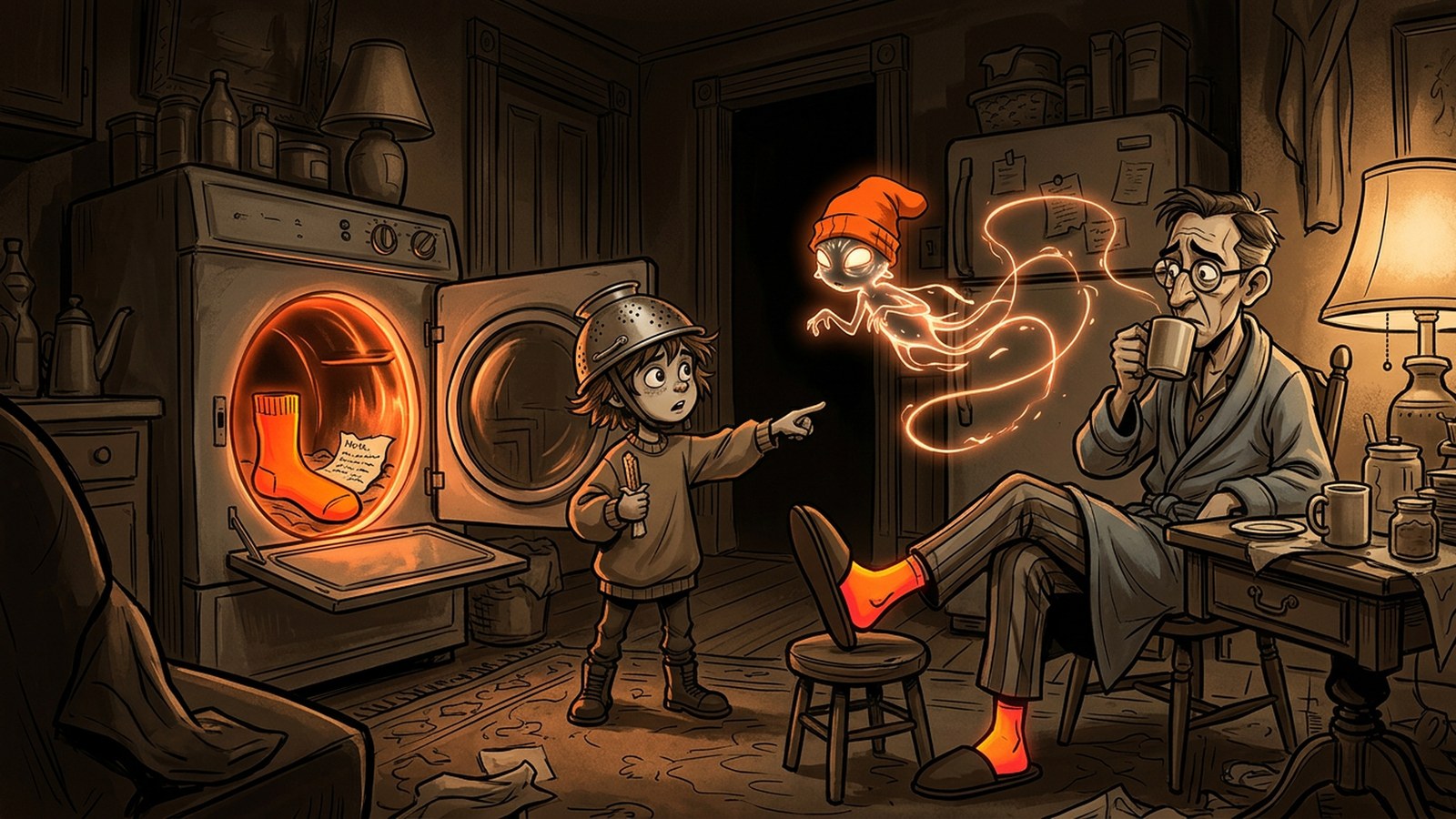
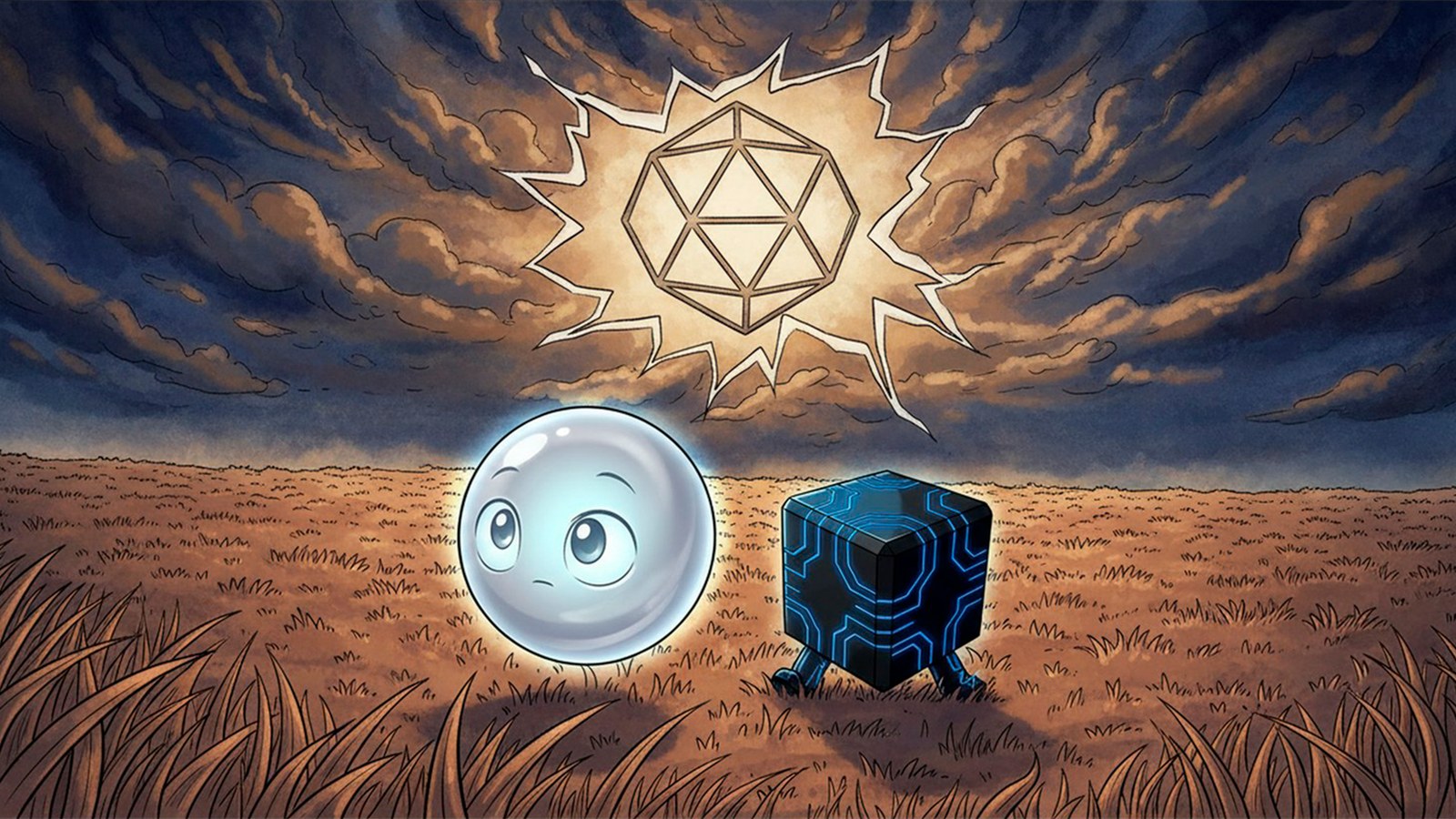
In The Great Big Earth Hug, Little Bear discovers why things fall down. Finola learns from her calm grandfather Eloi to count the seconds between lightning and thunder. Barnaby and his niece Dot chase the very odd mystery of disappearing socks, and in the last, a smooth sphere and a steady cube combine their shapes to restore the light.
Growing, drifting and following the map
Nature offers the quietest kind of science: things that grow slowly, drift overhead or follow a pattern someone has to notice. These stories suit the child who likes to watch rather than race.
Quiet wonders from the natural world
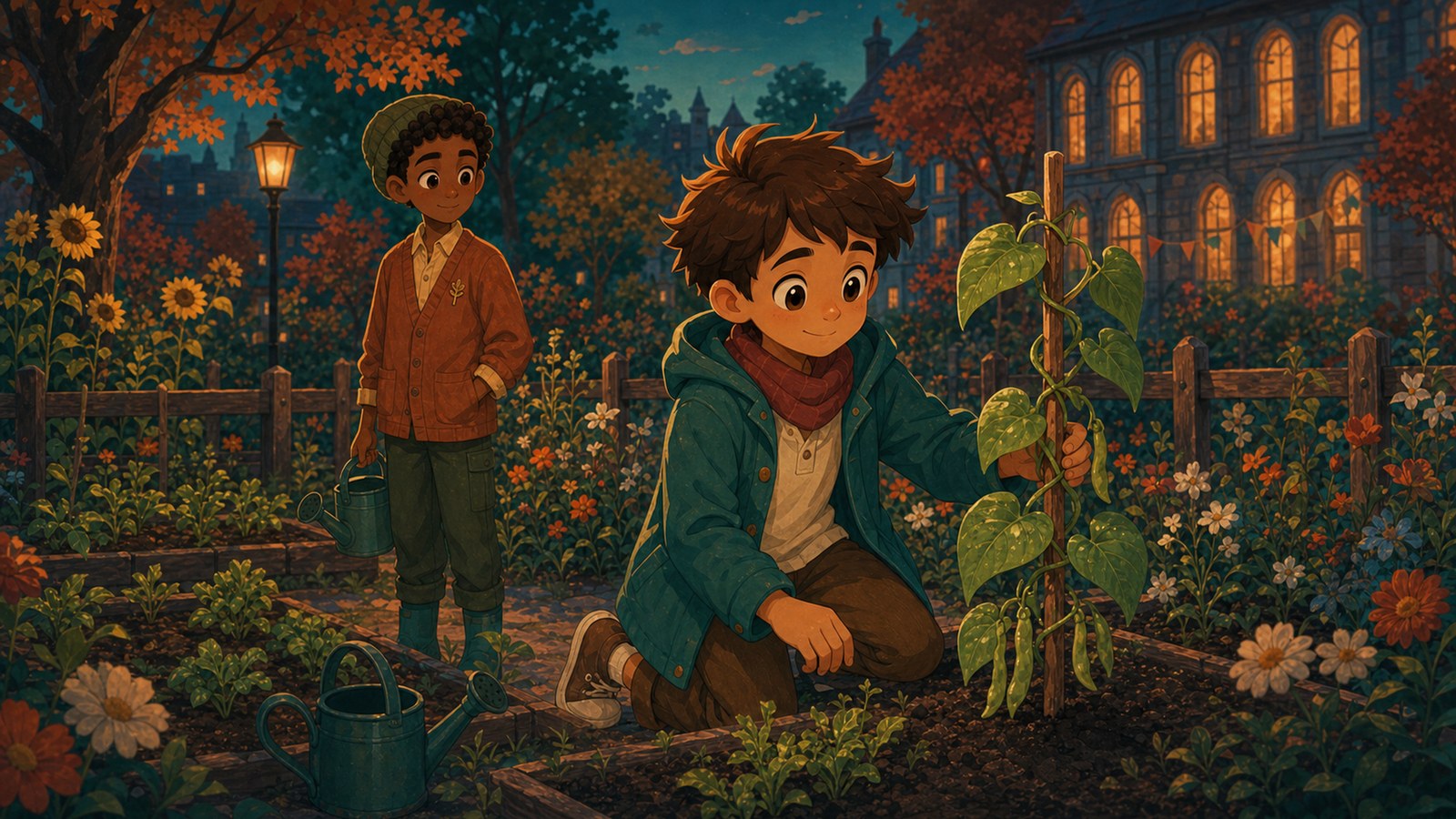
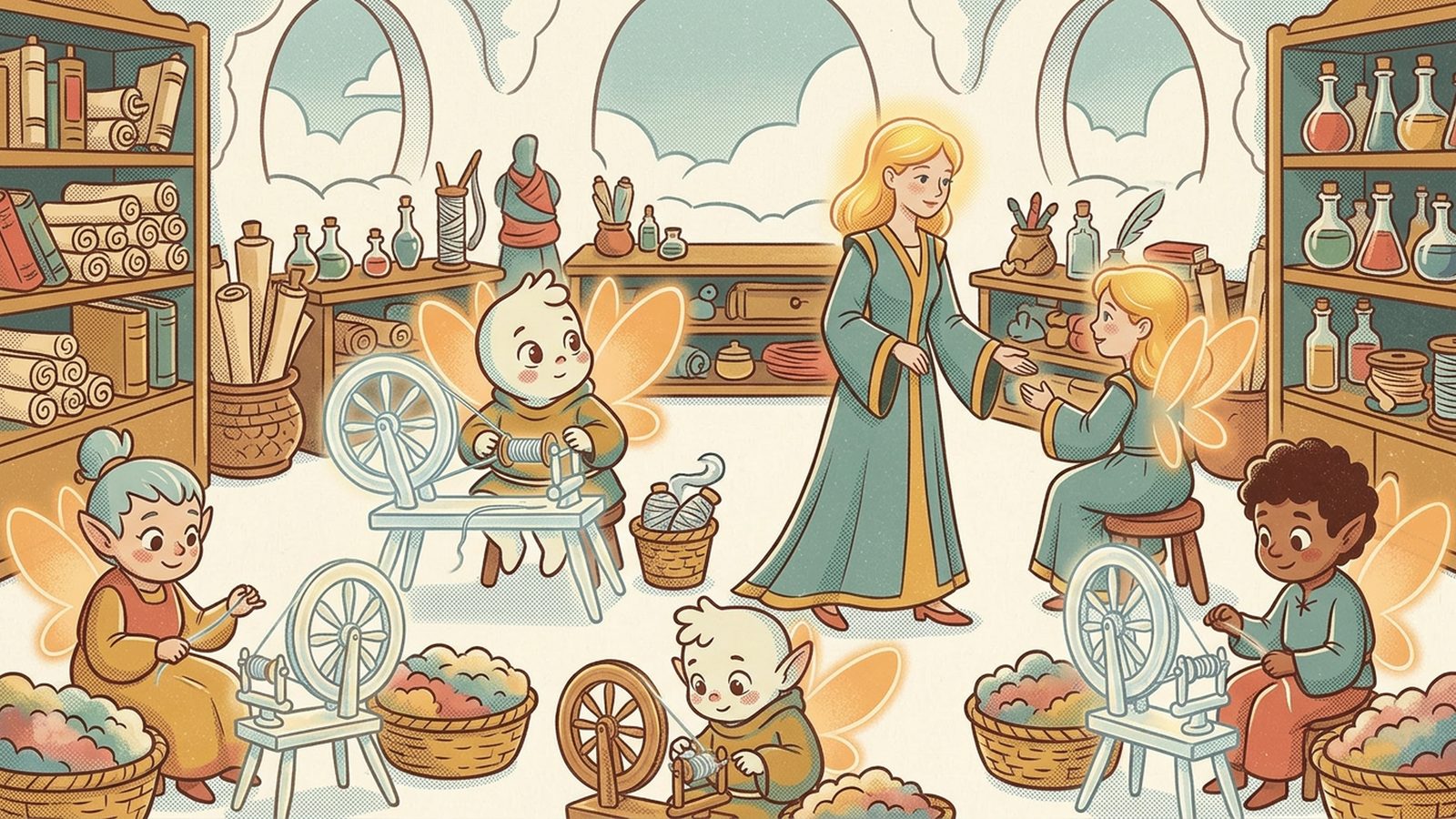
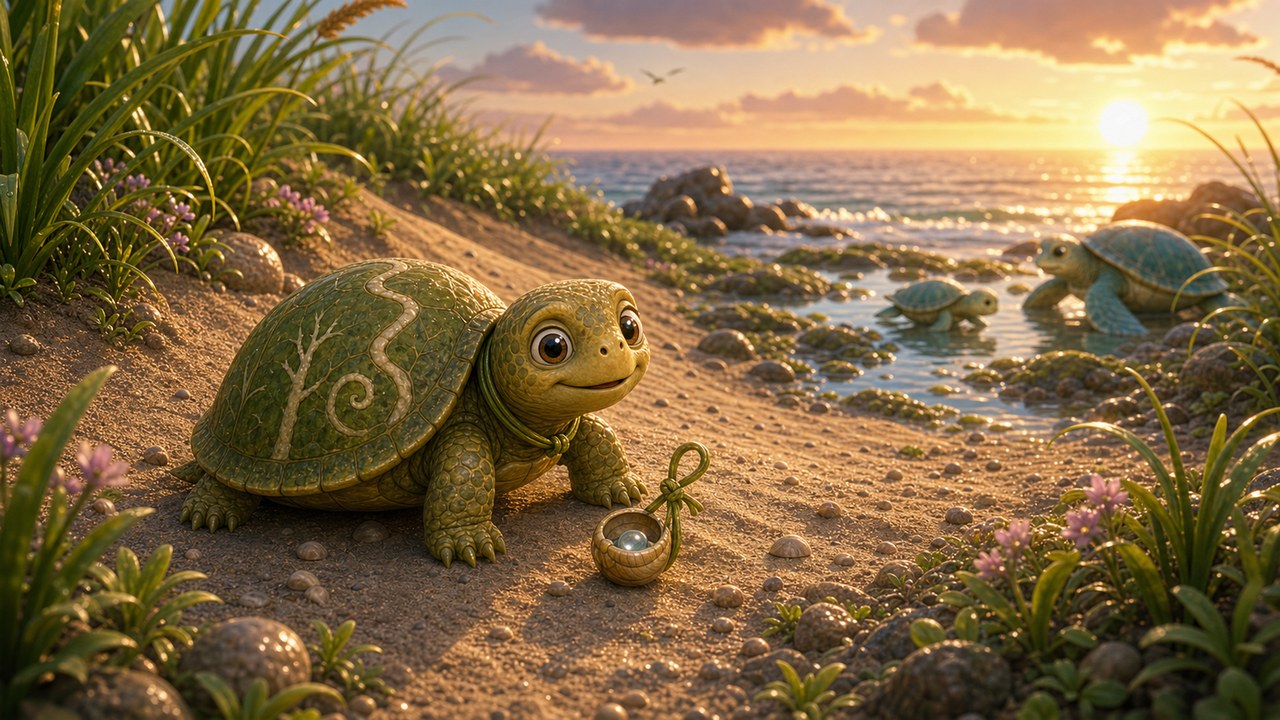
Sava and Niven learn that a bean plant grows stronger when care becomes patient instead of rushed. Pipkin studies the art of cloud-weaving at Nimbus Peak. A tiny marsh turtle follows the map-like lines on her shell all the way to the ocean.
Keeping the curiosity gentle
- Let a question wait until morning. “Good question — let’s look it up after breakfast” respects the curiosity without extending the evening.
- Wonder out loud rather than quiz. “I wonder what the grandfather will count next” invites thought without testing it.
- Follow up in daylight. A thunderstorm app, a seed on a windowsill or a walk to look at clouds turns the story into something to do, not just something to hear.
For more stories that carry an idea without a lecture, see bedtime stories that teach something, and for the nights when a thunderstorm is actually overhead, bedtime and thunderstorms. The learning collection and the nature collection have more to explore.