

From Picture Books to Chapter Books: Keeping Bedtime Read-Aloud Going
By the Wonderbin team · September 25, 2026
At some point, most picture books start to feel thin. A child who once wanted five minutes and a single clear idea per page starts asking what happens after the ending, or loses interest partway through a story that used to hold them completely. Parents often read this as a sign to jump straight to chapter books — but there is a comfortable middle step that gets skipped more often than it should.
The signs a picture book has gotten too simple
- They ask what happens next, after the book is already closed. A finished story that still leaves them curious means the plot was too small for the appetite.
- They remember the story better than you do. Reciting details back a night or two later is a good sign attention has genuinely lengthened.
- A single-idea page starts to feel like waiting. Restlessness partway through a story that used to hold them fully is worth noticing.
- They ask real "why" and "what if" questions mid-story. Curiosity about cause and effect tends to arrive before the reading stamina to match it does.
Why a chapter book is not the only next step
A chapter book asks for two things at once: longer sustained attention, and pictures to let go of almost entirely. Many children are ready for the first well before the second — the plot can grow while the illustrations still matter. Jumping straight to a text-only chapter book too early sometimes backfires, turning an eager reader-along into a restless one simply because the format changed faster than the appetite did.
Richer illustrated stories: a good bridge
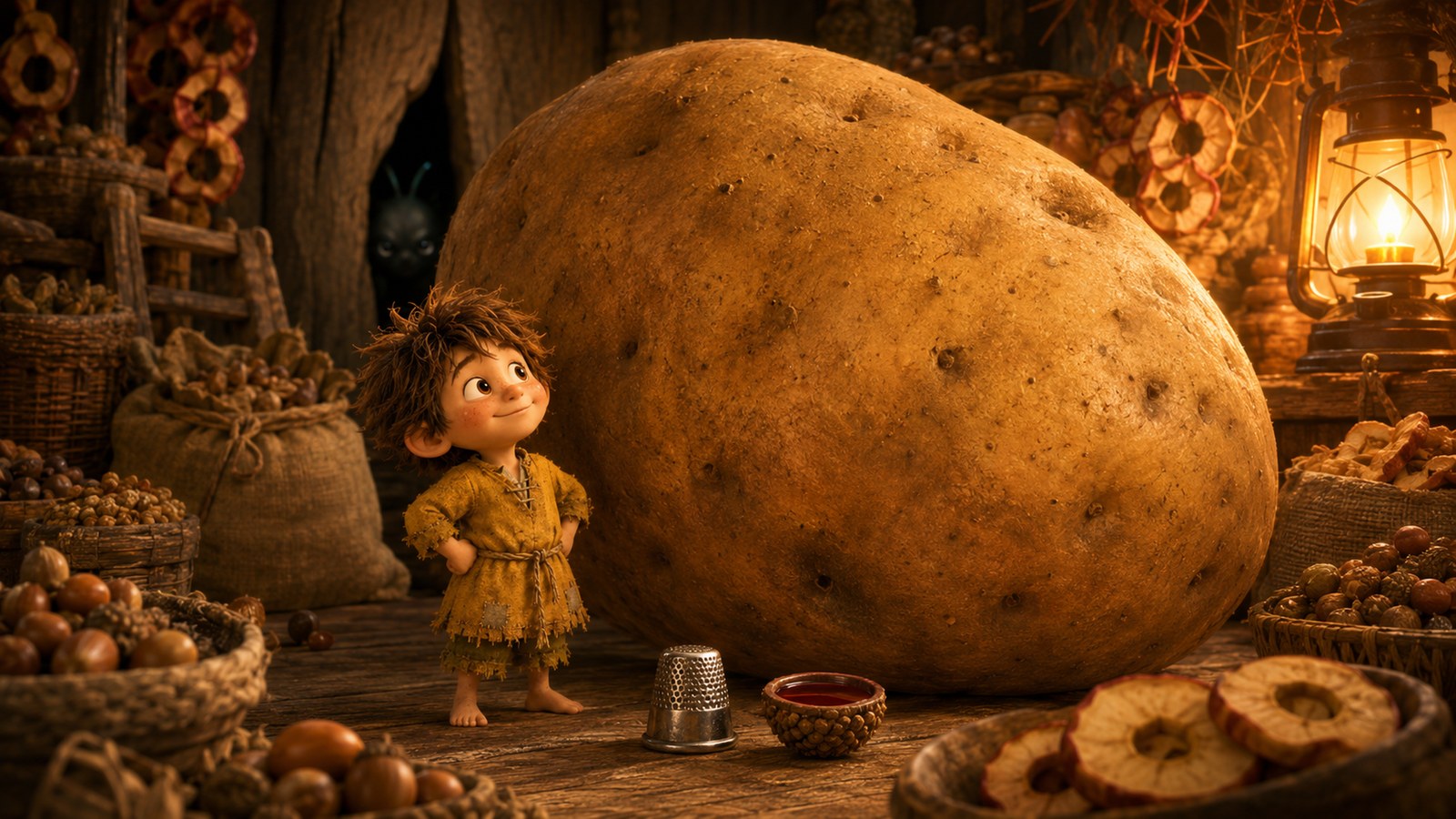
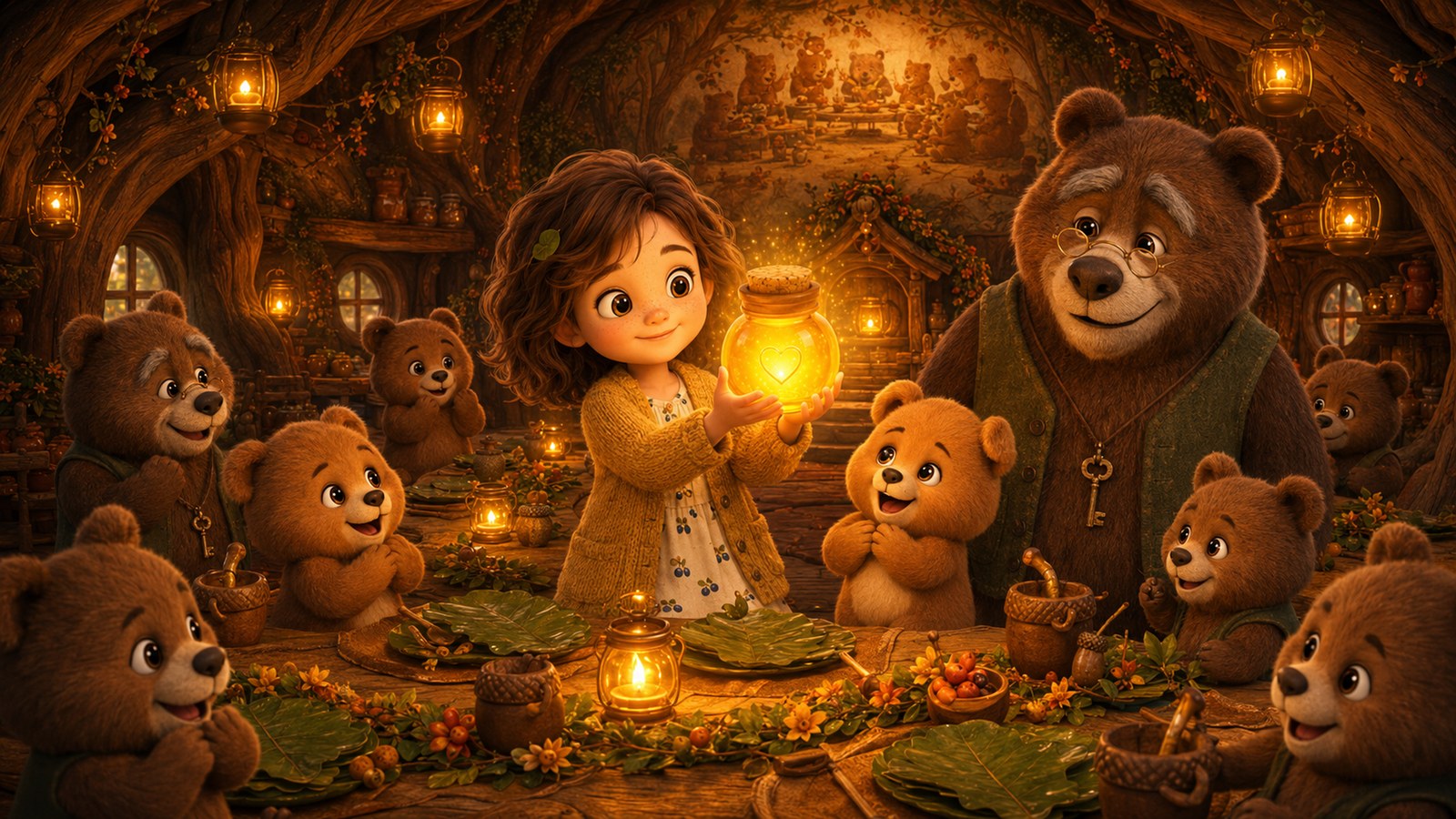
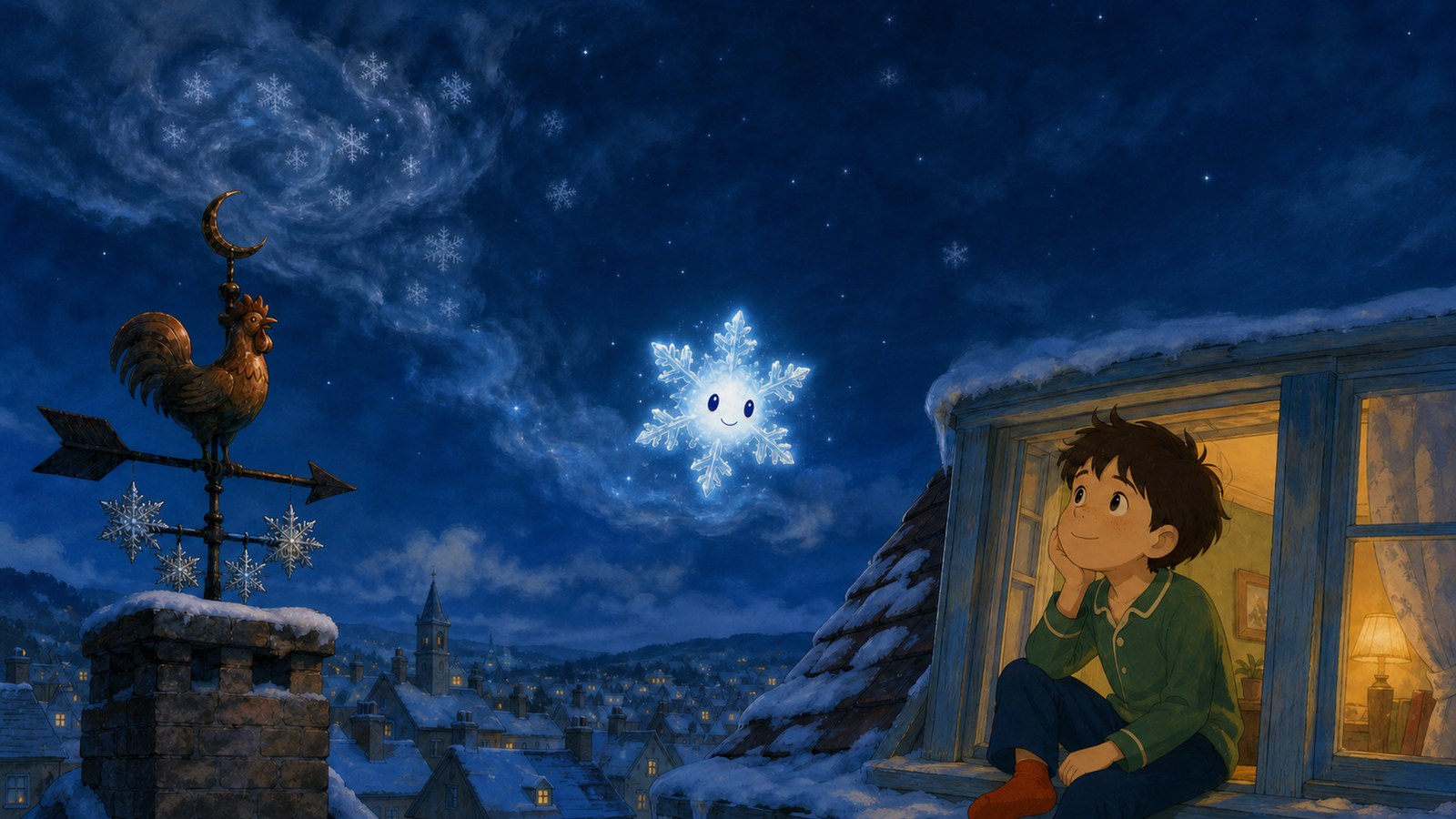
A longer illustrated story keeps the picture on every page but gives the plot more room — a proper problem, a few turns, an ending that is earned rather than immediate. These five run fifteen to twenty-five minutes, long enough to feel like a real chapter-book-style journey while still keeping the pictures a younger reader is not ready to give up.
Longer illustrated stories for the in-between years


When to actually start a chapter book
There is no fixed age — some children are ready at five, others not until well past seven. A reasonable test is whether they can sit through one of the longer illustrated stories above across a couple of nights without losing the thread, since that is close to the same demand a short chapter book will make. If they manage it happily, try a chapter book alongside the pictures for a while rather than instead of them — many families keep both in rotation for years.
For story picks sorted by age, see our guides to bedtime stories for 5 to 8 year olds and bedtime stories for 4-year-olds, or browse the full bedtime collection to find the next step up.