

Bedtime Stories for 4-Year-Olds: Free Illustrated Picks for the In-Between Stage
By the Wonderbin team · August 10, 2026
At four, story time changes shape. Attention stretches past the five minutes a two-year-old manages, the “why” questions start arriving mid-page, and a tale with only one idea per page can start to feel thin. Four is the bridge age — too grown-up for the shortest picture stories, not quite ready for the fifteen-minute adventures that suit a six-year-old. Here is what actually changes, and five free illustrated stories built for exactly this stage.
What changes at four
The attention span is the obvious shift — most four-year-olds can follow a proper beginning, middle and end, not just a single warm scene. Less obvious is the appetite for cause and effect: a four-year-old wants to know not just what happened but why, and will ask. The ending still has to land soft and settled — a four-year-old is just as easily wound up by a cliffhanger as a two-year-old — but the road to get there can wander a little more before it arrives.
Still simple, still cosy
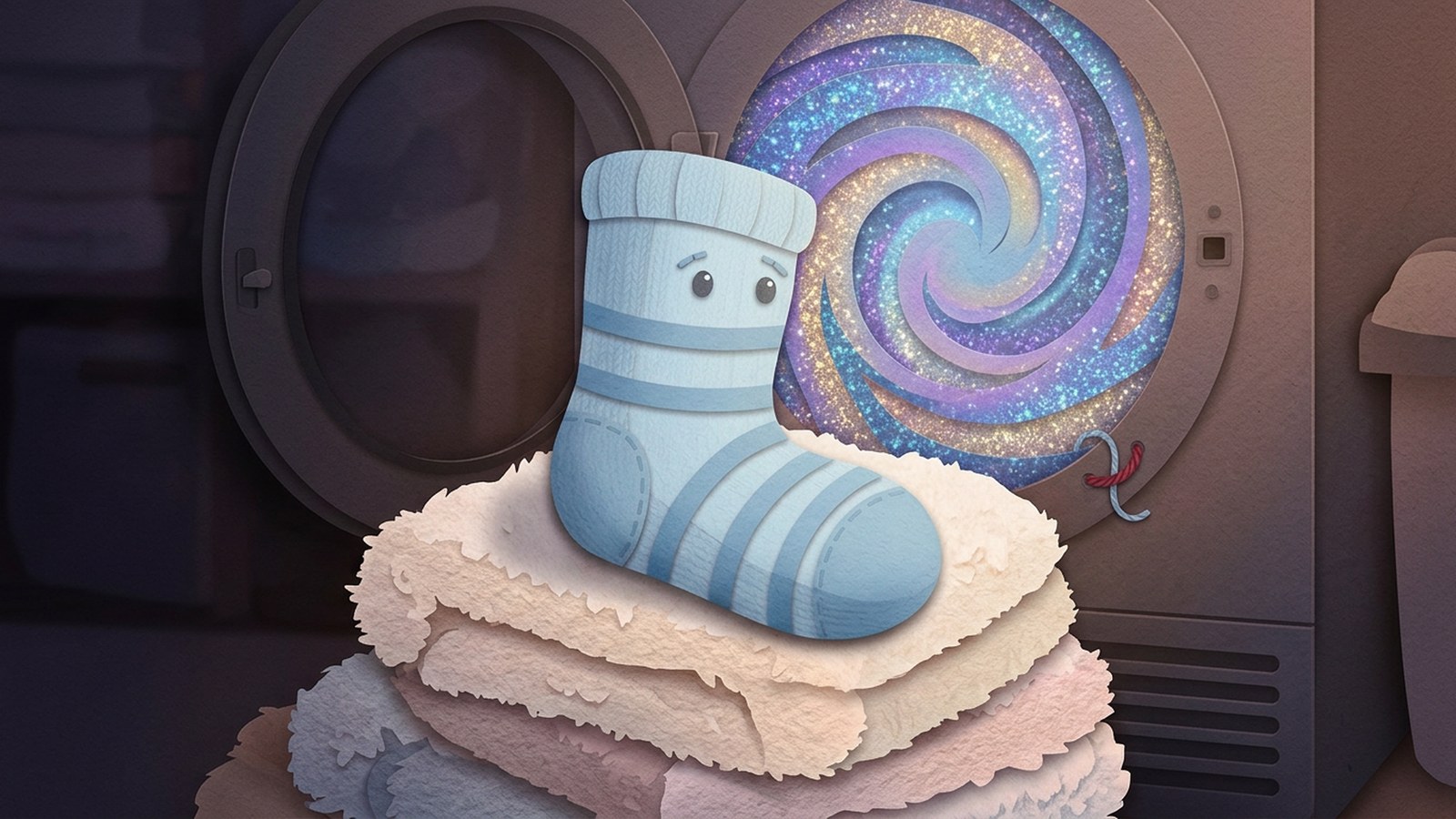
These three keep the single clear thread that worked so well a year ago, with just a little more going on inside it — a search, a small project, a shared adventure with a sibling or friend.
Simple stories with a little more going on


Ready for a touch more plot
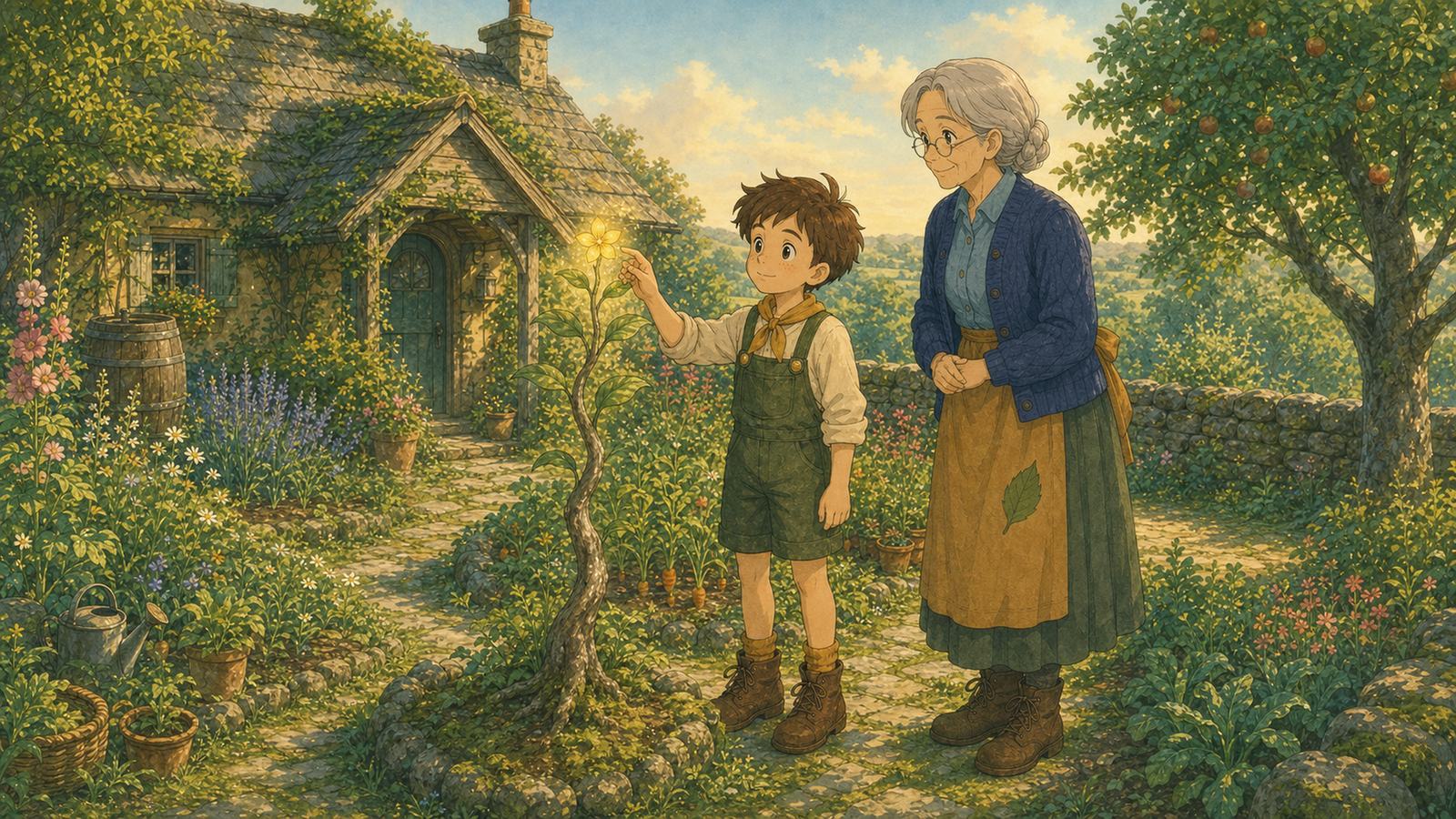
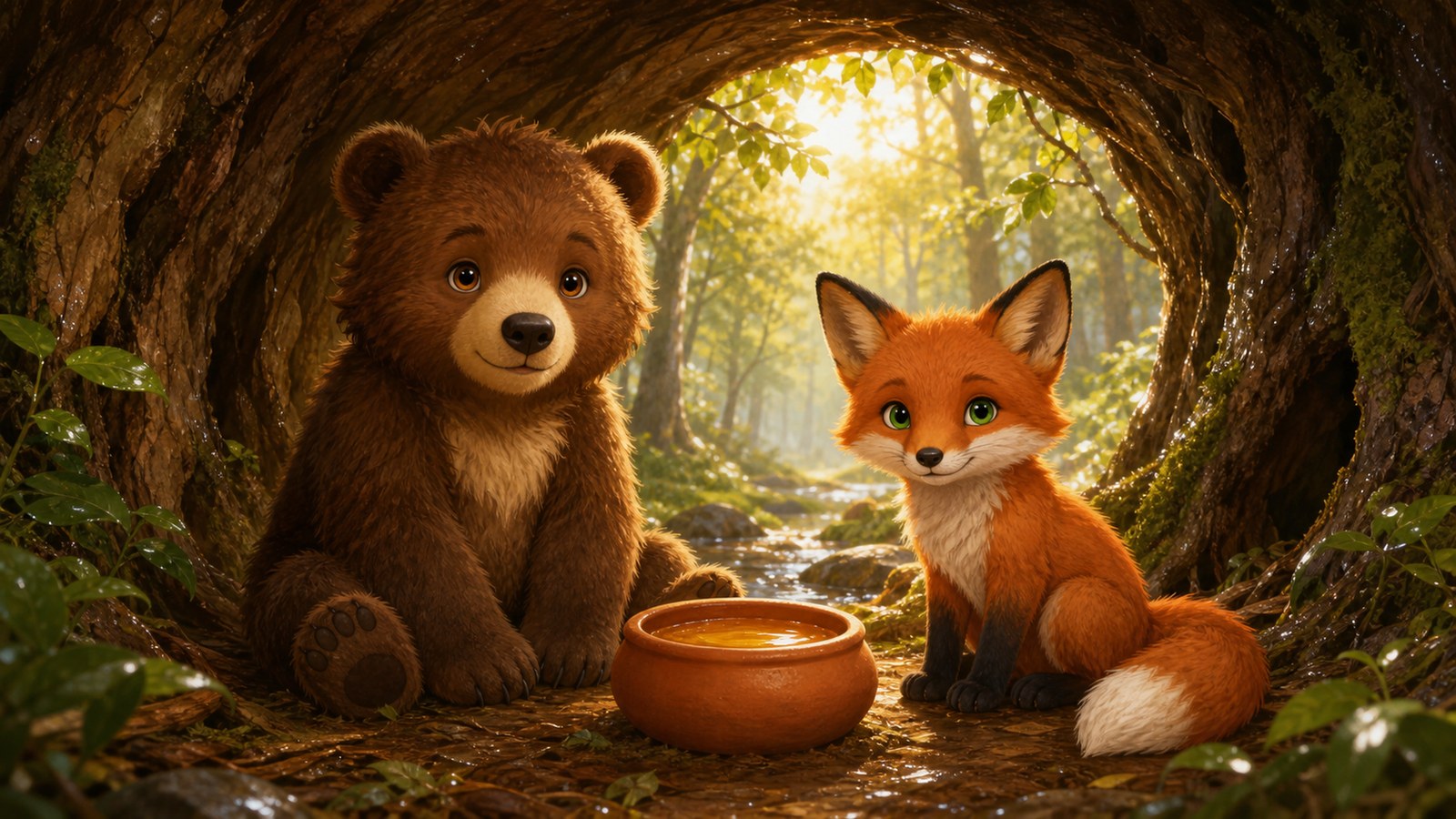
When a four-year-old starts asking for the same story again the next night and remembering details you did not expect, they are ready for these two — a little longer, with a proper small problem to solve, still ending exactly where a sleepy child needs it to.
A little more story to grow into
How to read at four
- Let them guess what happens next. Pausing before a page turn and asking “what do you think happens now?” fits this age perfectly — old enough to guess, young enough that guessing still feels like magic, not a test.
- Answer the “why”, briefly, then keep going. A one-sentence answer respects the question without turning story time into a lecture.
- Keep it to one story, most nights. The attention span has grown, but the need for a predictable, short ritual before lights-out has not.
- Watch for the signs they have outgrown this shelf. Asking for the story to continue after it ends, or losing interest partway through a very simple one, both mean it is time to try something with a bit more plot.
Our whole library shows the age range and read-aloud time on every cover, which makes it easy to find the next step up. If tonight’s reader still wants something shorter, our guide to bedtime stories for 2-year-olds has the simplest picks; once four turns into five or six, bedtime stories for 5 to 8 year olds is the natural next stop. Browse the whole bedtime collection any time.