Friendly Monsters at Bedtime: Gentle Stories About Trolls, Orcs and Dragons
By the Wonderbin team · November 10, 2026
Monsters turn up in children’s heads long before they turn up in books — under the bed, behind the door, in the shape of a coat on a chair. One way to loosen their grip is to meet monsters on the page who are lost, shy, sleepy or simply misunderstood. Nothing is explained away; the child just gets to see a big shape with a soft centre, from the safety of your lap.
Why friendly monsters help at bedtime
- They give the fear a face you can look at. A vague worry in the dark is harder to hold than a troll who has lost his way home.
- The big creature needs help. When the child is the one who is kind to the monster, the balance of power shifts — a quiet confidence boost.
- The “scary” thing has an ordinary reason. The snoring dragon is a sleeper blocking a gate; the shadows only want to go home. Real nighttime noises often have equally ordinary reasons.
- Nothing hunts anyone. The stories below have no chases that end badly and no villain left lurking on the last page.
Big creatures with soft hearts
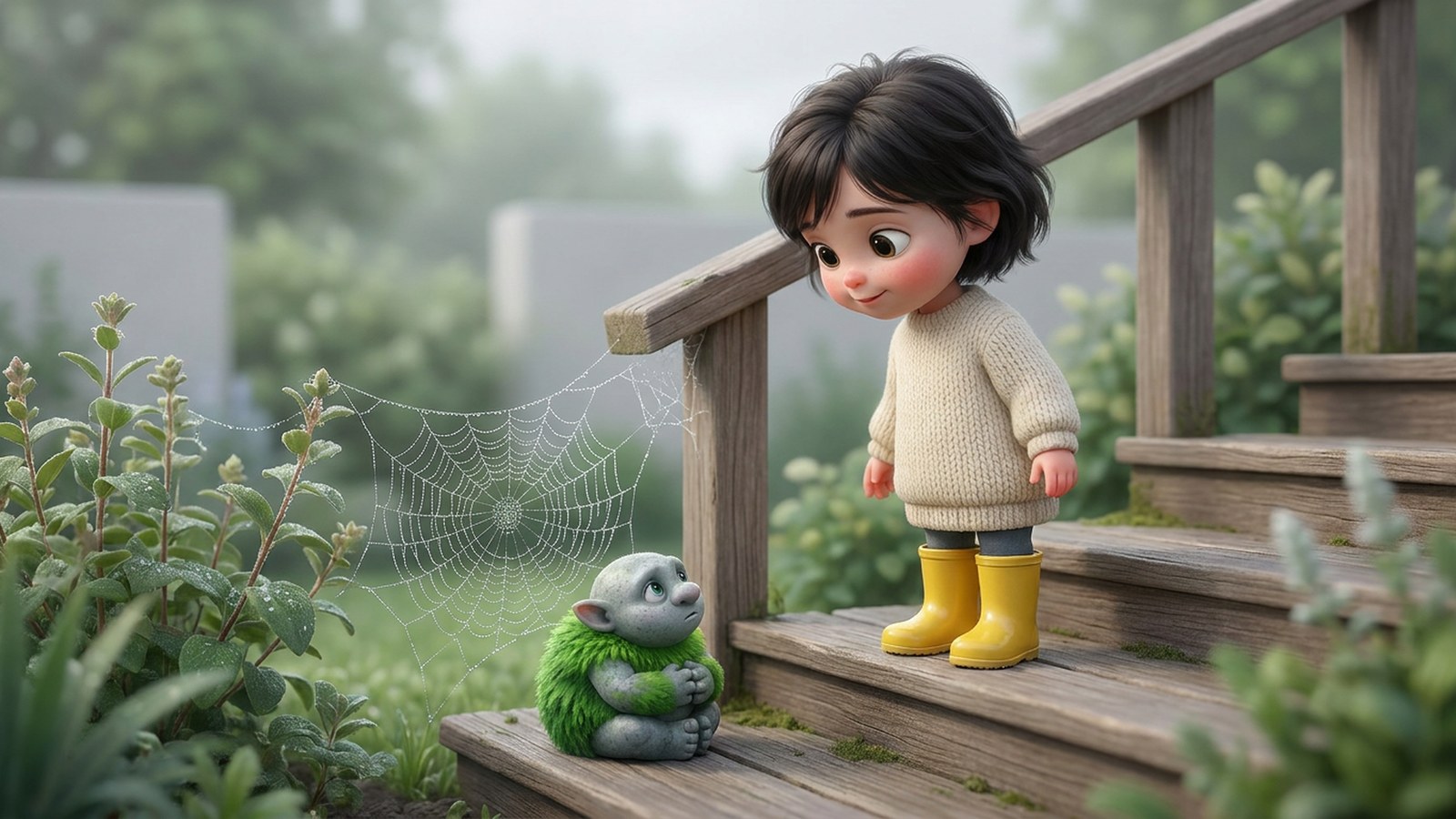
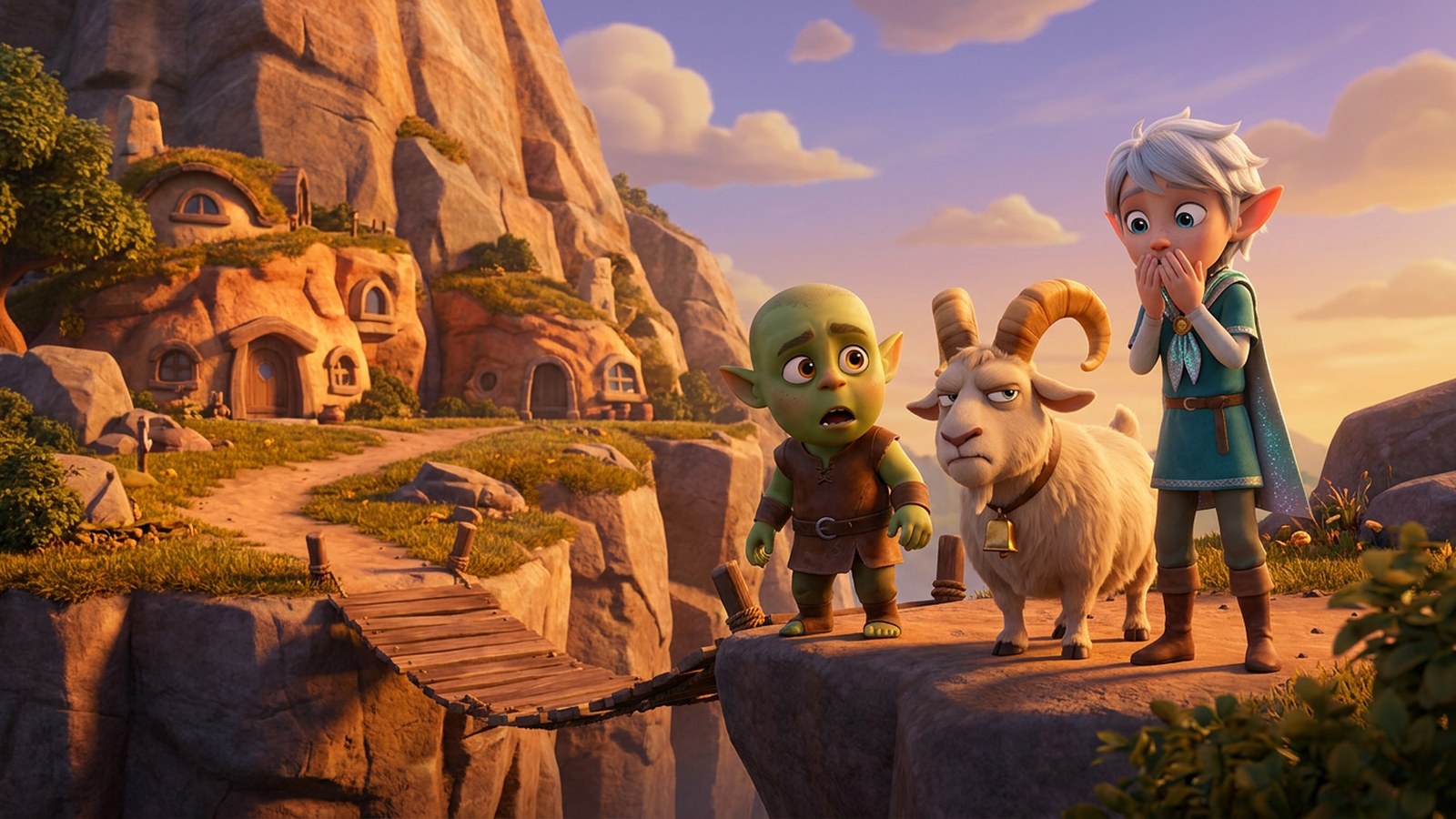
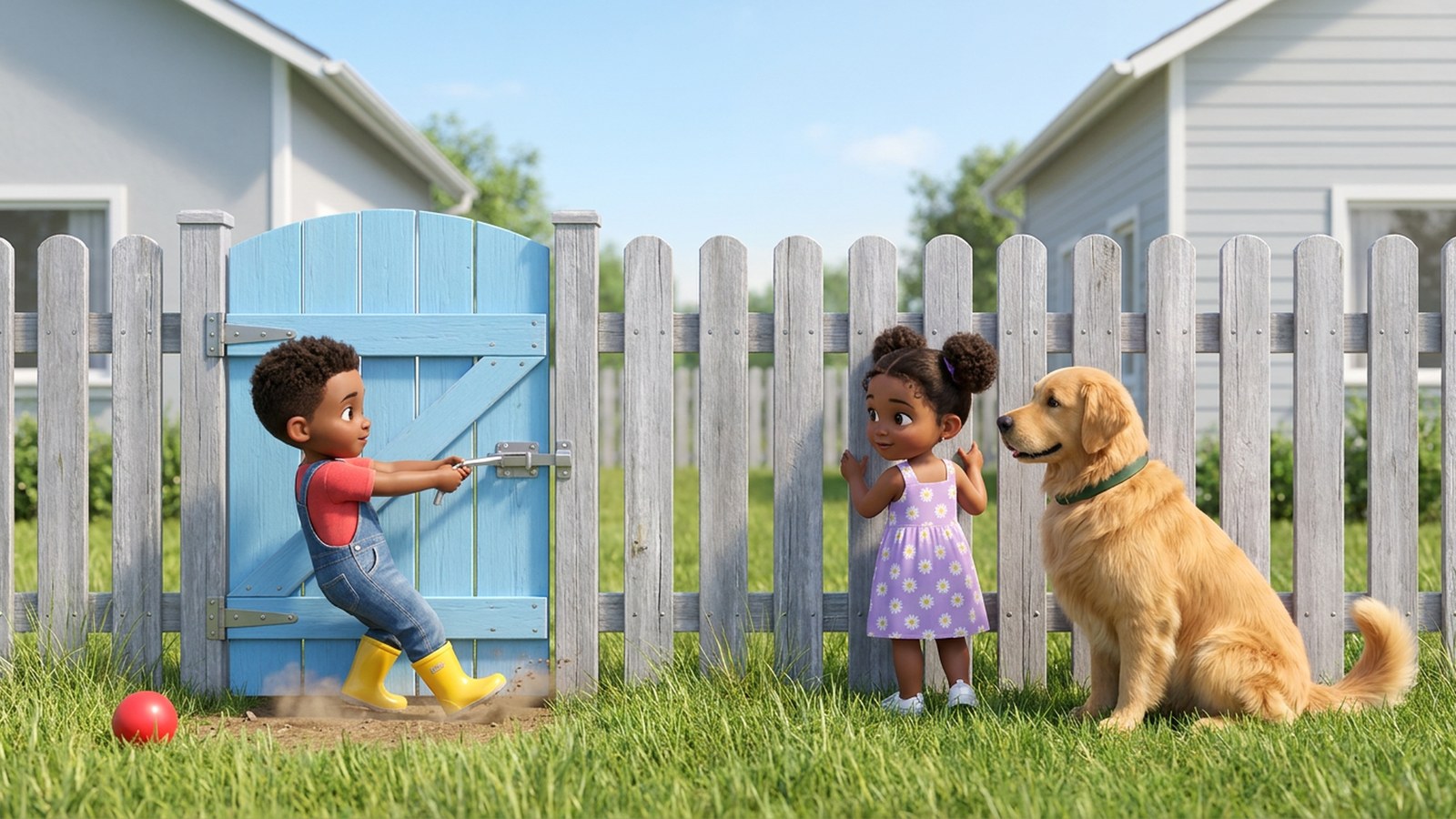
Fanny helps a lost, moss-covered troll find his way back to the misty woods. Danila is a sturdy orc whose elf best friend helps him coax runaway stones into a glowing bridge with kind words and a shared song. And in Malik’s case, the “dragon” blocking the garden gate turns out to be something far more sleepy than fierce.
Dragons and shadows that need a hand
Some of the best friendly monsters are the ones who are small, dim or a little frightened themselves. They suit children who like to feel capable at bedtime rather than protected.
Creatures who need your child’s kindness
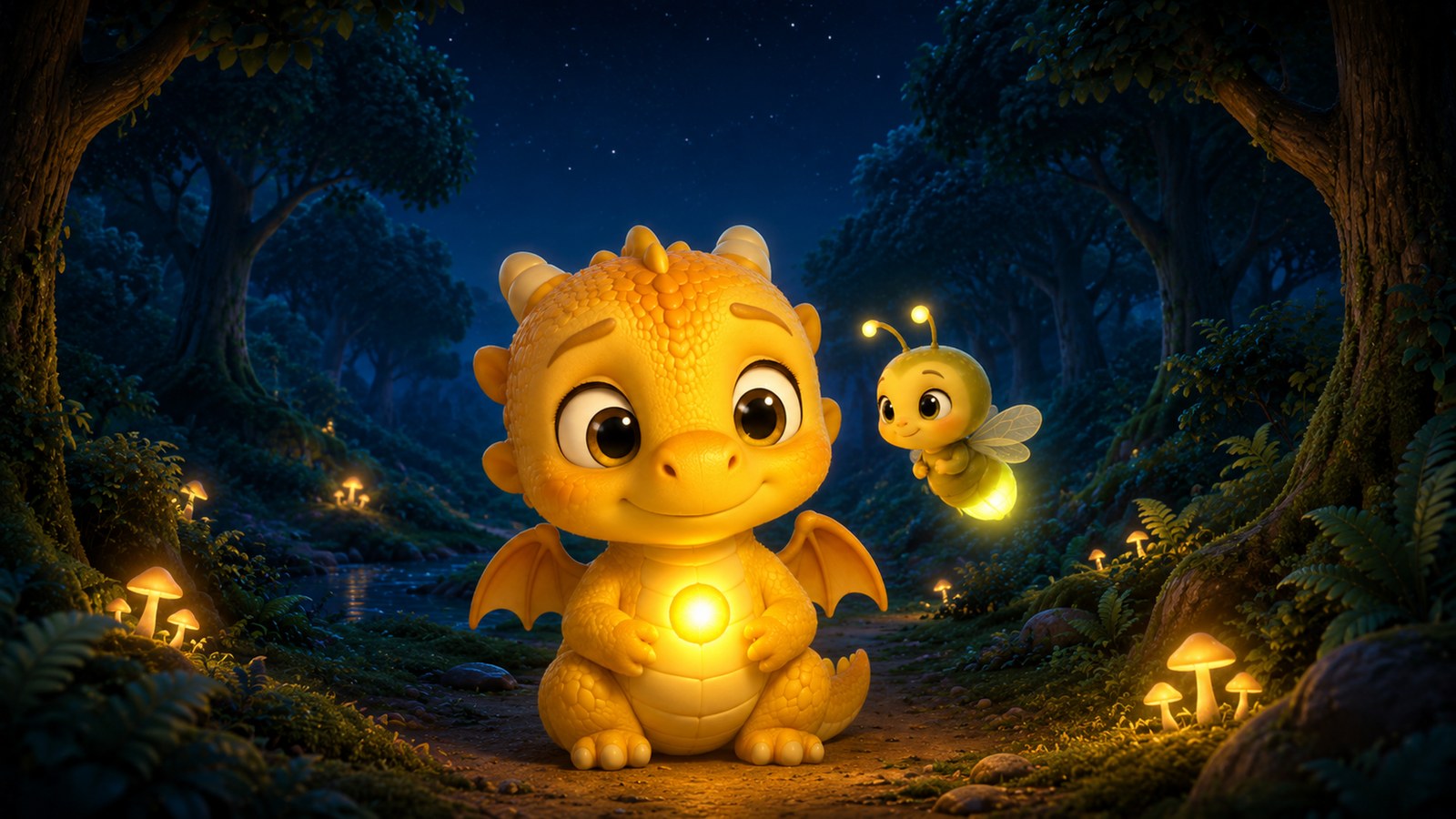
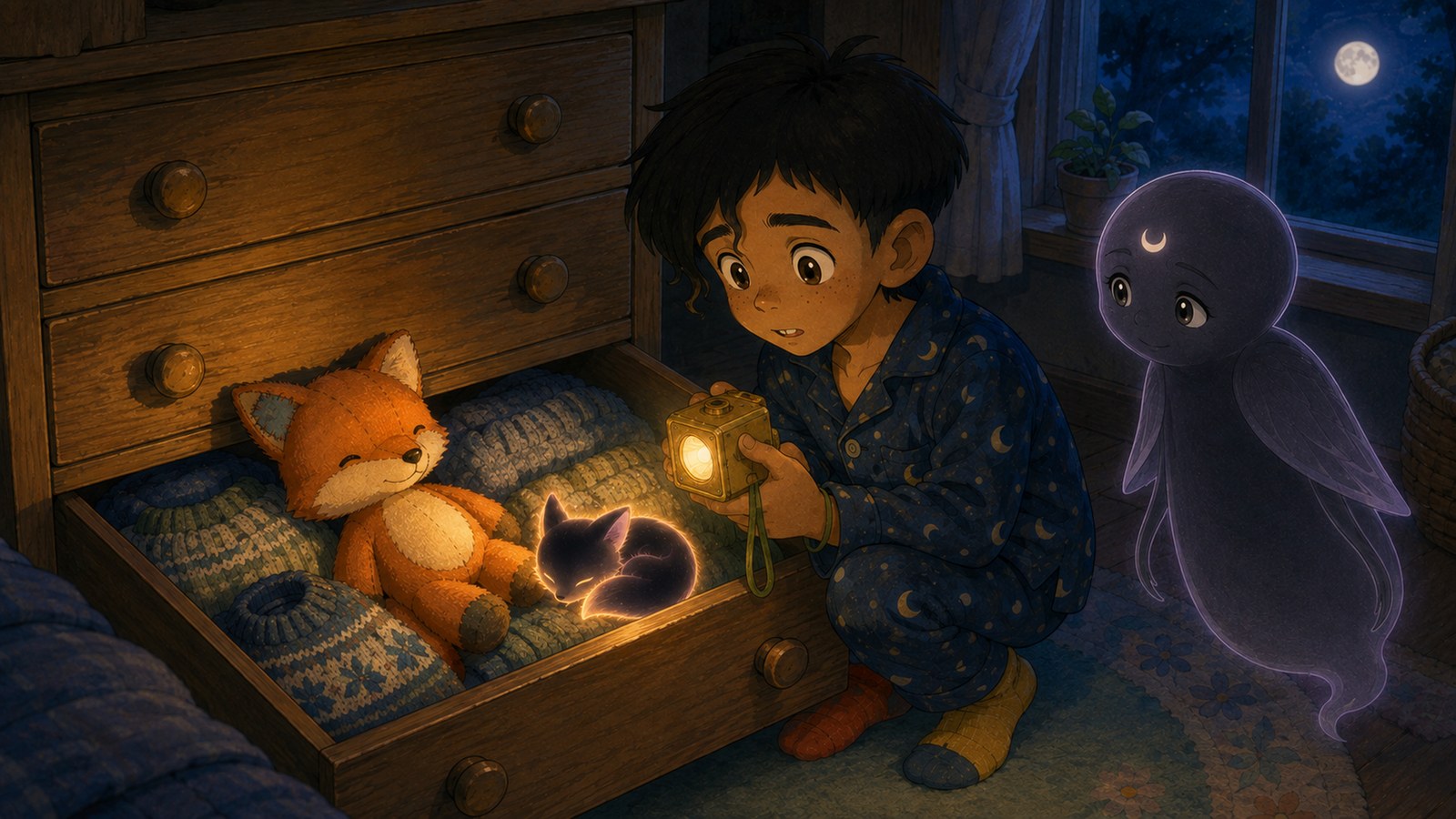
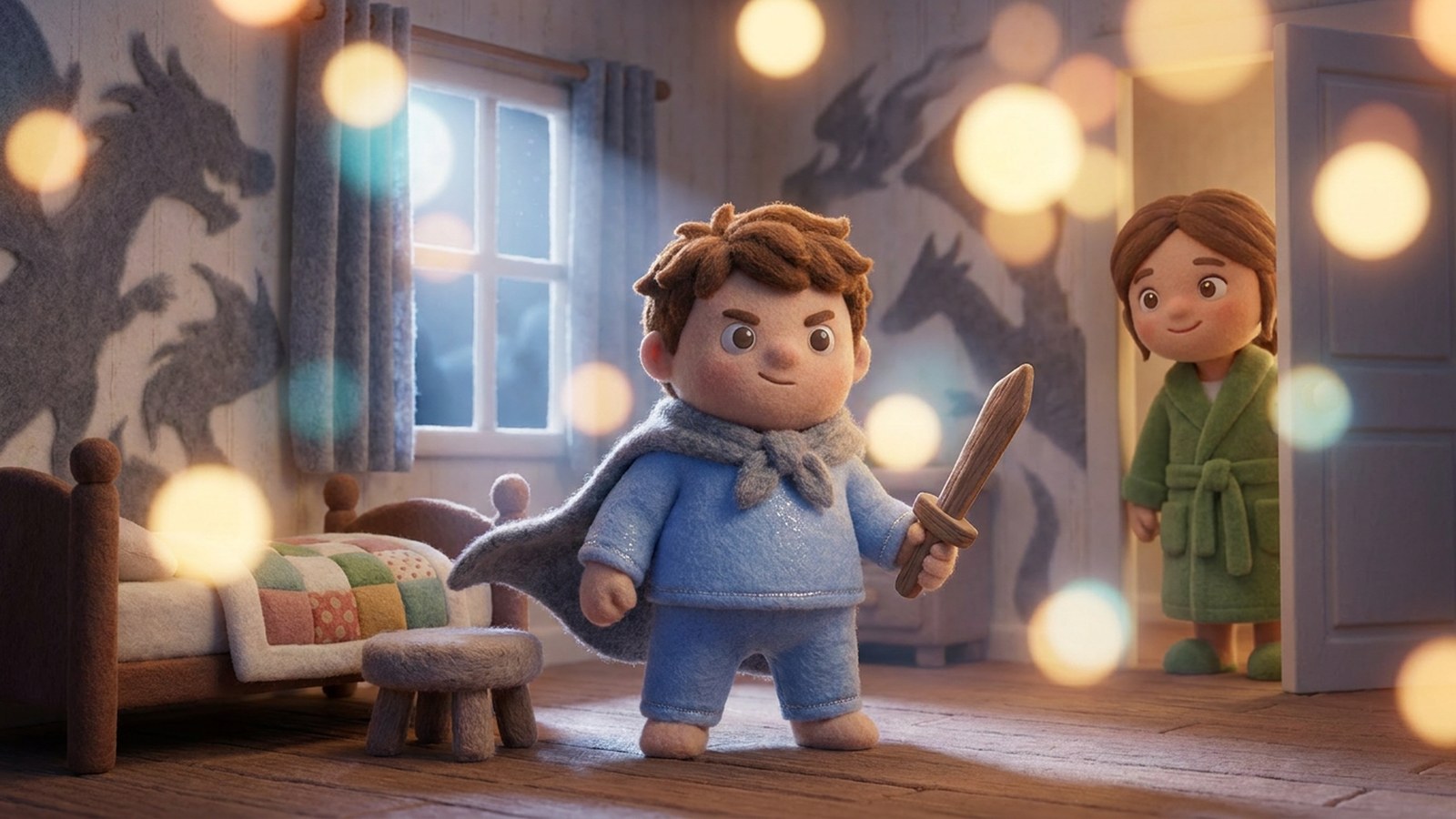
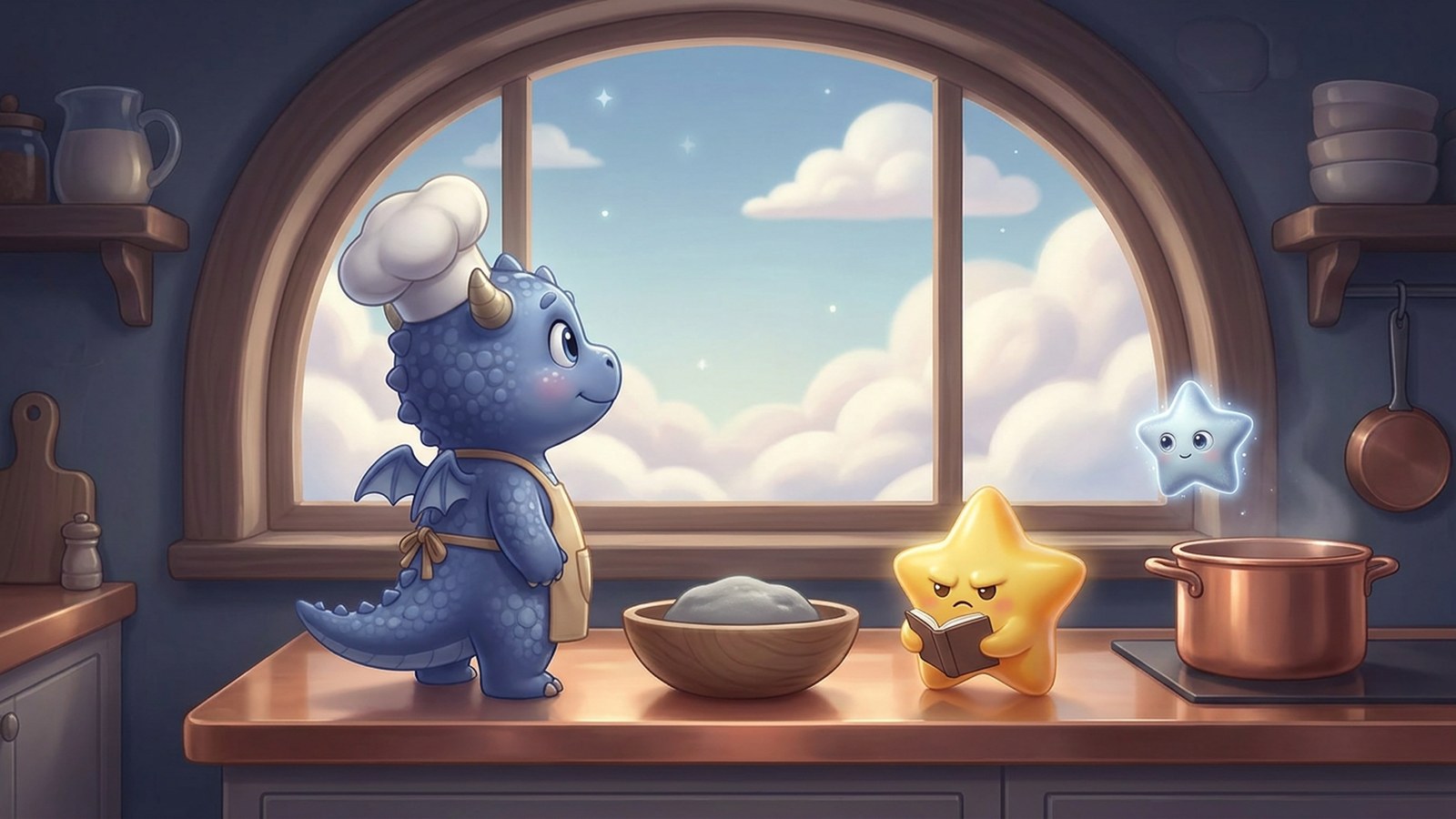
A tiny dragon’s inner glow goes dark, and he finds it only shines when he gives warmth to someone else. Brina, who is afraid of the dark, discovers lost shadows and helps them find home with a flashlight. Ralvin faces the Moon Dragons in his living room, and Sigmund the dragon learns that laughter is the secret ingredient in bread for hungry stars.
How to read them without making it a lesson
- Let the child name the monster’s feeling. “How do you think the troll felt in the dark?” is more useful than “see, there was nothing to be scared of.”
- Do not argue with the real monster. If your child still believes in the one under the bed, take that seriously and treat the story as company, not proof.
- Use a soft voice for the big characters. A low, slow, gentle troll is half the reassurance.
- Keep the lights low and the ending slow. Finish on the quietest page and stop there.
If your child’s fears are mostly about darkness itself, try bedtime stories for kids who are afraid of the dark, and for more wishes and fire-breathers, see magical bedtime stories about dragons. The bedtime collection and the adventure collection have plenty more to browse.