

Bedtime Stories About Empathy: Noticing When Someone Else Needs Help
By the Wonderbin team · November 13, 2026
Empathy is noticing that someone else feels cold, sad or stuck, and caring enough to do something about it. Children between about four and eight are beginning to do this, but it needs practice. Stories give them a safe place to rehearse: they watch a character notice, wonder, and act, without any pressure to get it right.
What empathy looks like in a story
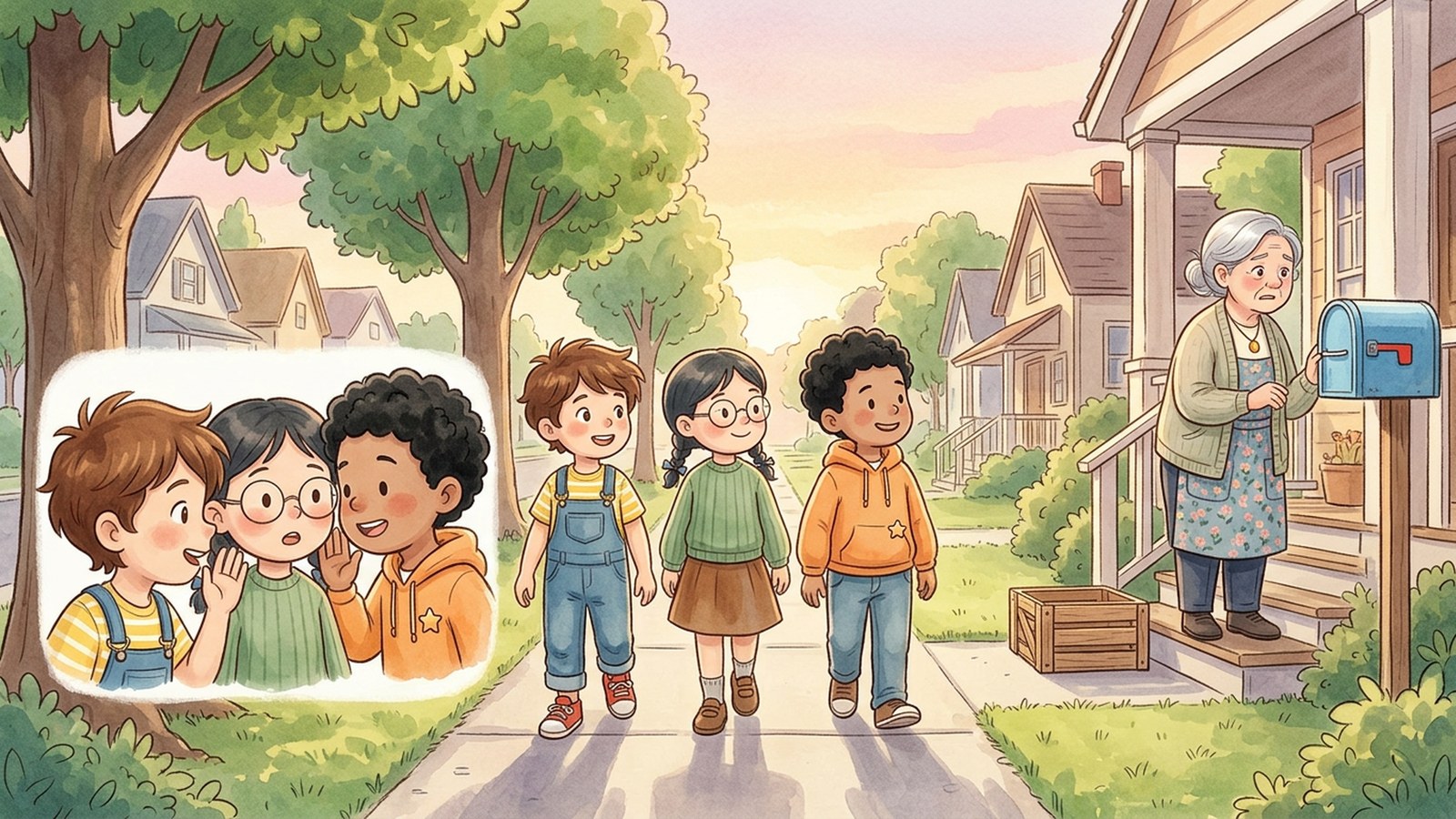
- Noticing first. The character sees a small sign, such as a trembling moth, a lost shadow or a neighbour at a mailbox, that someone is not fine.
- Listening before fixing. The most believable helpers ask or wait before they rush in with a solution.
- Using what they have. A warm coat, a song or an afternoon is often all that is needed. Kindness does not have to be grand.
- No big reward. The warm feeling at the end comes from the help itself, which is a quiet and useful message.
Noticing someone who needs a hand

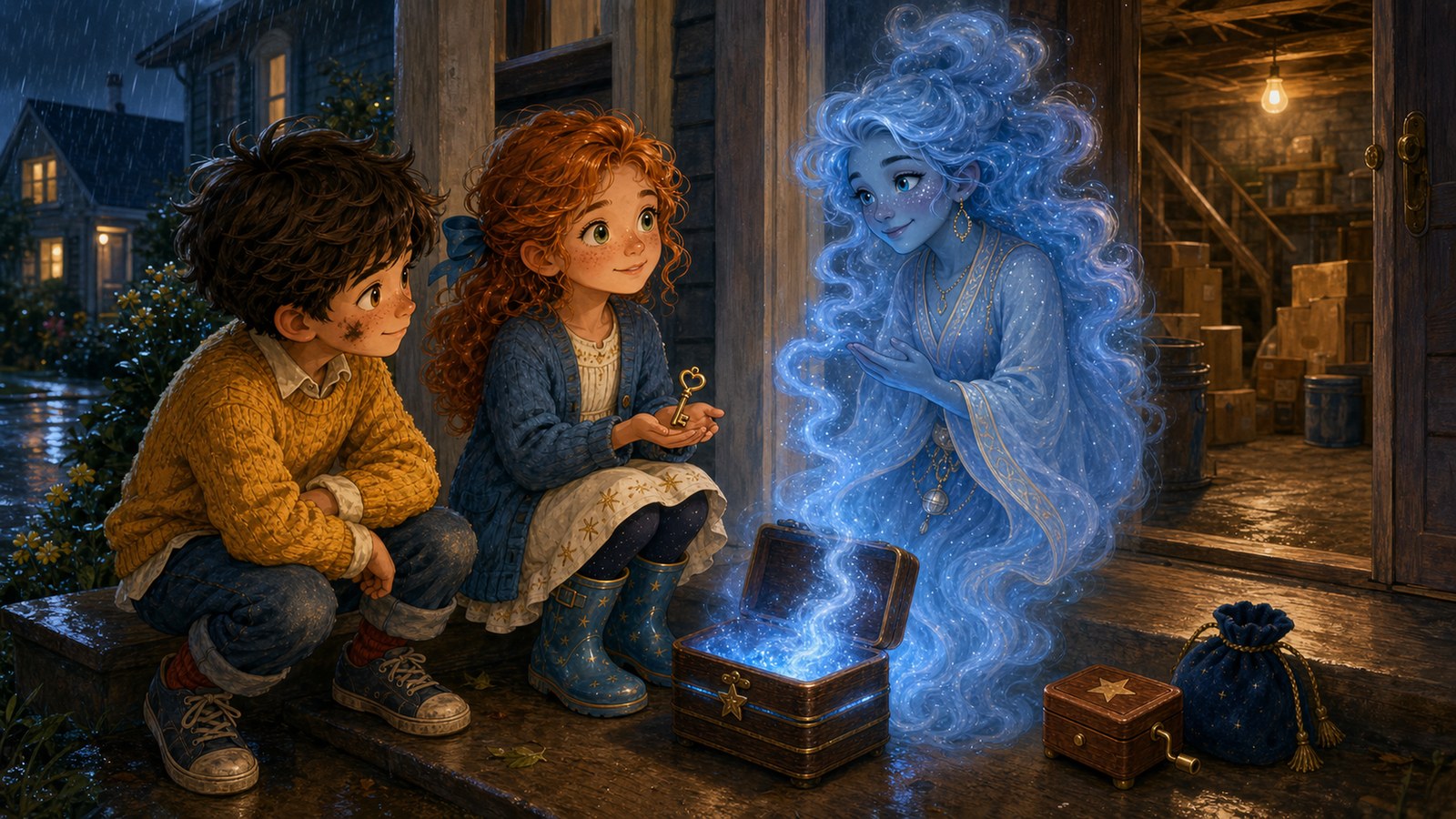
Warmth for the cold and the lost
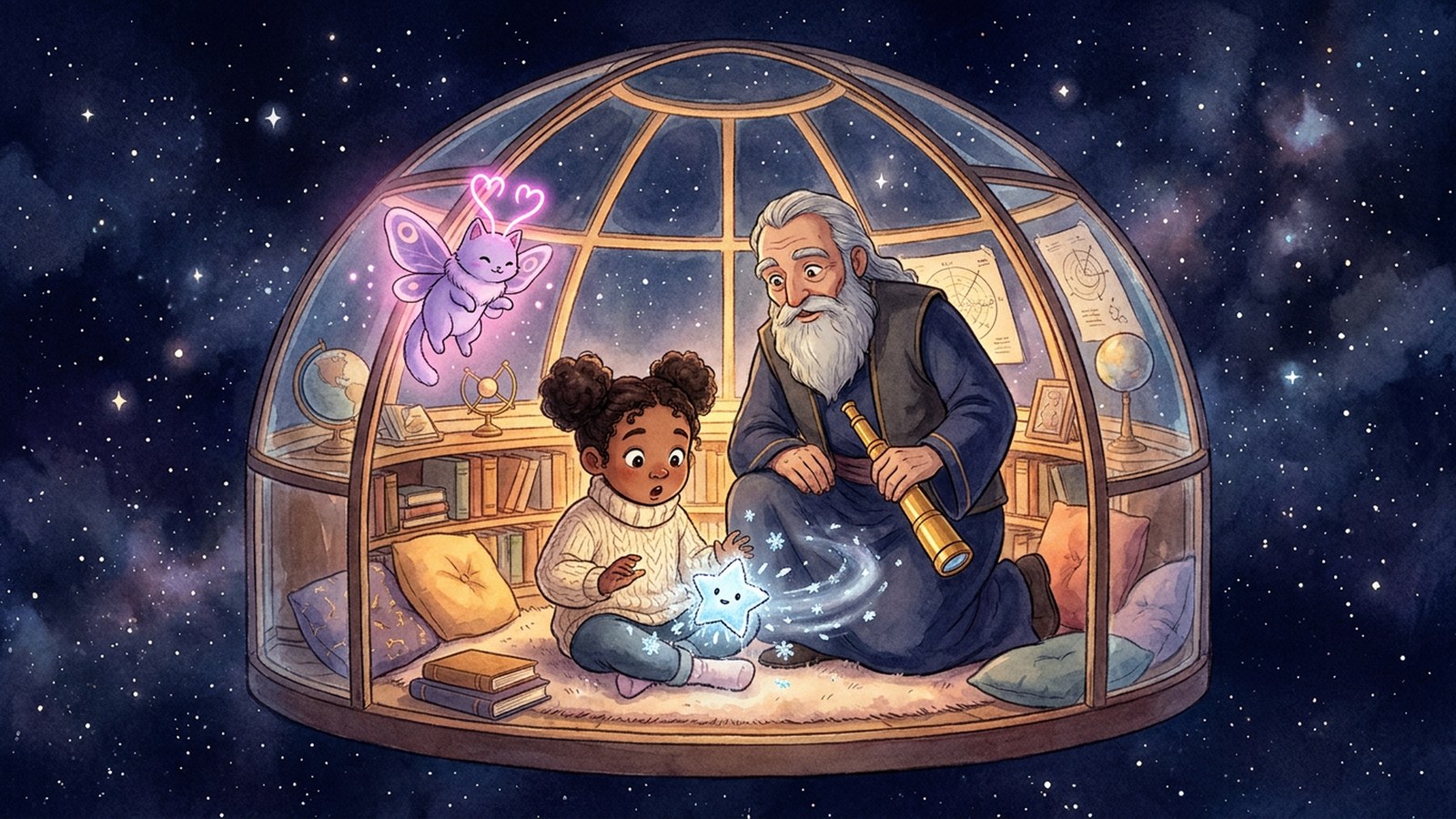


Courage that begins with someone else’s trouble



Talking about it afterwards
- Ask what the character noticed. “How did she know he needed help?” points your child towards small signs.
- Wonder, do not quiz. “What do you think he felt when nobody came?” works better than “What is the moral?”
- Link it lightly to their day. “Did you see anyone today who looked a bit left out?” is enough, once, without pressing.
- Notice their kindness. “You gave her your seat. That was thoughtful” makes empathy feel like something they already do.
Empathy overlaps with stories about feelings, which look at a child’s own emotions, and friendship and kindness. For the other side of the coin, see asking for help. You can find more on the friendship shelf and the bedtime shelf.