

A Bedtime Routine for a 7-Year-Old: Keeping the Ritual as They Grow
By the Wonderbin team · October 7, 2026
By seven, bedtime has usually stopped being something that is done to a child and become something they want a say in. They can dress themselves, brush their own teeth and read a little on their own. They also have opinions, homework and a growing sense that they are old enough to stay up. The routine that suited a five-year-old still has the right shape — it just needs more independence on the surface and, quietly, just as much closeness underneath.
What changes at seven
- They want more control. Letting a seven-year-old choose things within the routine — which pyjamas, which story, which order — avoids a lot of arguments about the parts that are not up for negotiation.
- Reading becomes part of the evening. Many children this age like to read a few pages themselves, then be read to. The two together often work better than either alone.
- The mind gets busier at night. Friendships, school worries and “what if” questions tend to surface once the lights are low. A little talking time helps them settle.
- Screens compete hard. A tablet or a show feels like the natural reward at the end of the day. A clear cut-off, agreed in advance, is easier to hold than a nightly decision.
A sample school-night evening, 7:15 to 8:15
- 7:15 — screens off, lamps on. The same signal every night, ideally an hour before lights-out.
- 7:25 — wash, teeth, pyjamas. Mostly independent now. A checklist on the wall does the reminding so you do not have to.
- 7:40 — bag and clothes for tomorrow. Two minutes of getting ready now removes a whole category of morning stress and evening worry.
- 7:45 — their own reading. Ten minutes with their own book, in bed, while you tidy up or sit nearby.
- 8:00 — a story from you. Even a child who reads well often still loves being read to. A chapter or a short story keeps the closeness of the ritual.
- 8:10 — a few minutes of quiet talk. Lights low, no fixing, no lecturing. Just listening.
- 8:15 — lights out. A familiar goodnight, then leave. Move everything earlier if the morning starts early.
Most seven-year-olds need around 9 to 12 hours of sleep, which is why a school wake-up tends to place lights-out around 8 to 8:30. Our bedtime-by-age guide shows how to work backwards from the morning.
Common traps at this age
- Dropping the story too early. A child who can read is not a child who has outgrown being read to. Many are happy to keep this going well into their nines and tens if it stays warm and low-pressure.
- Turning bedtime into homework time. Reading practice and spelling belong earlier. If it lands in the wind-down hour, the evening starts to feel like more school.
- Letting the bedtime slide because they “aren’t tired”. Overtired children often look wired, not sleepy. If evenings are turning into arguments, try moving the whole routine earlier by 15 to 20 minutes.
- Skipping the talking time. Worries that are not heard at 8:10 tend to reappear at 9:30. Even five minutes of unhurried listening can save an hour of calling out.
Stories that still fit at seven
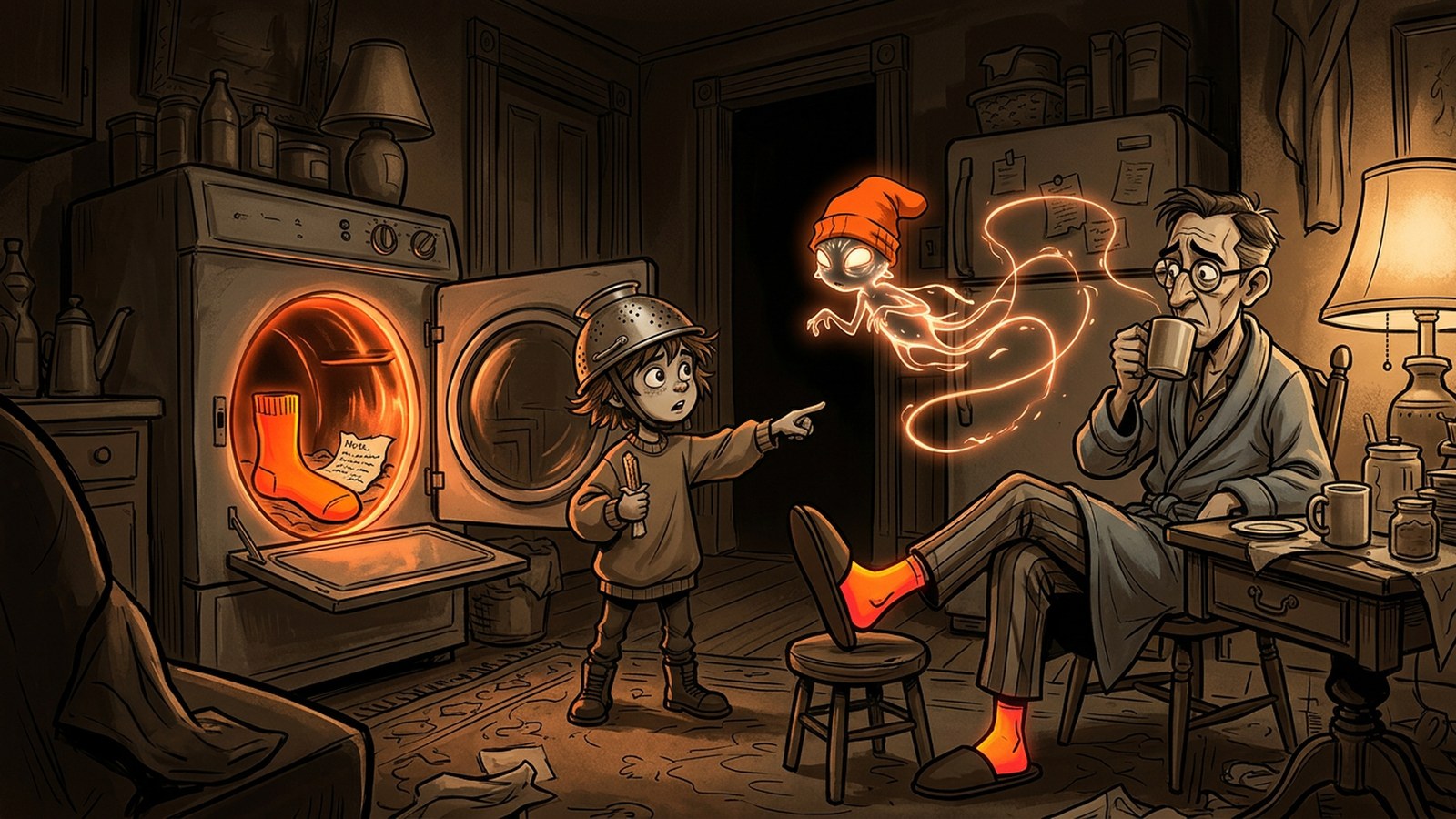
A seven-year-old can enjoy funny, clever stories as much as gentle ones — a mystery at a garden gate, a man who steals a day of the week, a missing sock with a scientific explanation. On school nights, short ones under ten minutes fit the slot. At weekends, longer tales of around 20 minutes work well, or you can split one across two nights to give them something to look forward to.
Short stories for 5+ (under 10 minutes)



Longer stories for 5+ for weekends or two-night reads




If your child is starting to read their own bedtime books, when kids start reading bedtime stories on their own covers how to hand the story over without losing the ritual. For a step back, see the bedtime routine for a 5-year-old, and browse bedtime stories for 5 to 8 year olds or the adventure collection for more.