

When Kids Start Reading Bedtime Stories on Their Own
By the Wonderbin team · September 5, 2026
It usually arrives as a small announcement rather than a request: “I want to read it.” Not read with you — read it, the whole thing, alone, thank you very much. It is a genuinely big moment, and also, quietly, a slightly nervous one for a lot of parents, who worry that letting go of the reading means letting go of the ritual too. It does not have to.
Signs a child is actually ready to try
- They correct you mid-story. A child who notices you skipped a word, or changed one, already knows the text well enough to start carrying some of it themselves.
- They point at words, not just pictures. Following print left to right, or asking what a specific word says, is usually a sign the story has stopped being purely a picture experience.
- They ask for the same book “to hold”. Wanting the book physically in their own hands during the reading — not just listening from beside you — often comes just before wanting to read it outright.
- They already know it by heart. A story reread often enough gets memorised before it gets properly read — and reciting a known book while turning the pages is a real first step, even before any of the words are being sounded out.
How to hand the story over without losing the evening
- Split the reading, don’t retire yours. One page each, or the child reads the short, familiar lines while you take the rest — a full solo read cover to cover is a big ask before it is a comfortable one.
- Pick short, simple, well-loved stories first. A book already known by heart is far easier to read solo than a brand-new one — familiarity does half the decoding work.
- Let mistakes go past. Bedtime is not the moment for gentle correction of every missed word. The goal tonight is confidence, not accuracy.
- Keep the rest of the ritual exactly the same. Same lamp, same spot, same goodnight round — only the reading itself is changing hands, and the rest of the routine should say so.
- Offer, don’t insist. Some nights a newly independent reader still wants to be read to, and that is not a step backwards — it is just a tired evening.
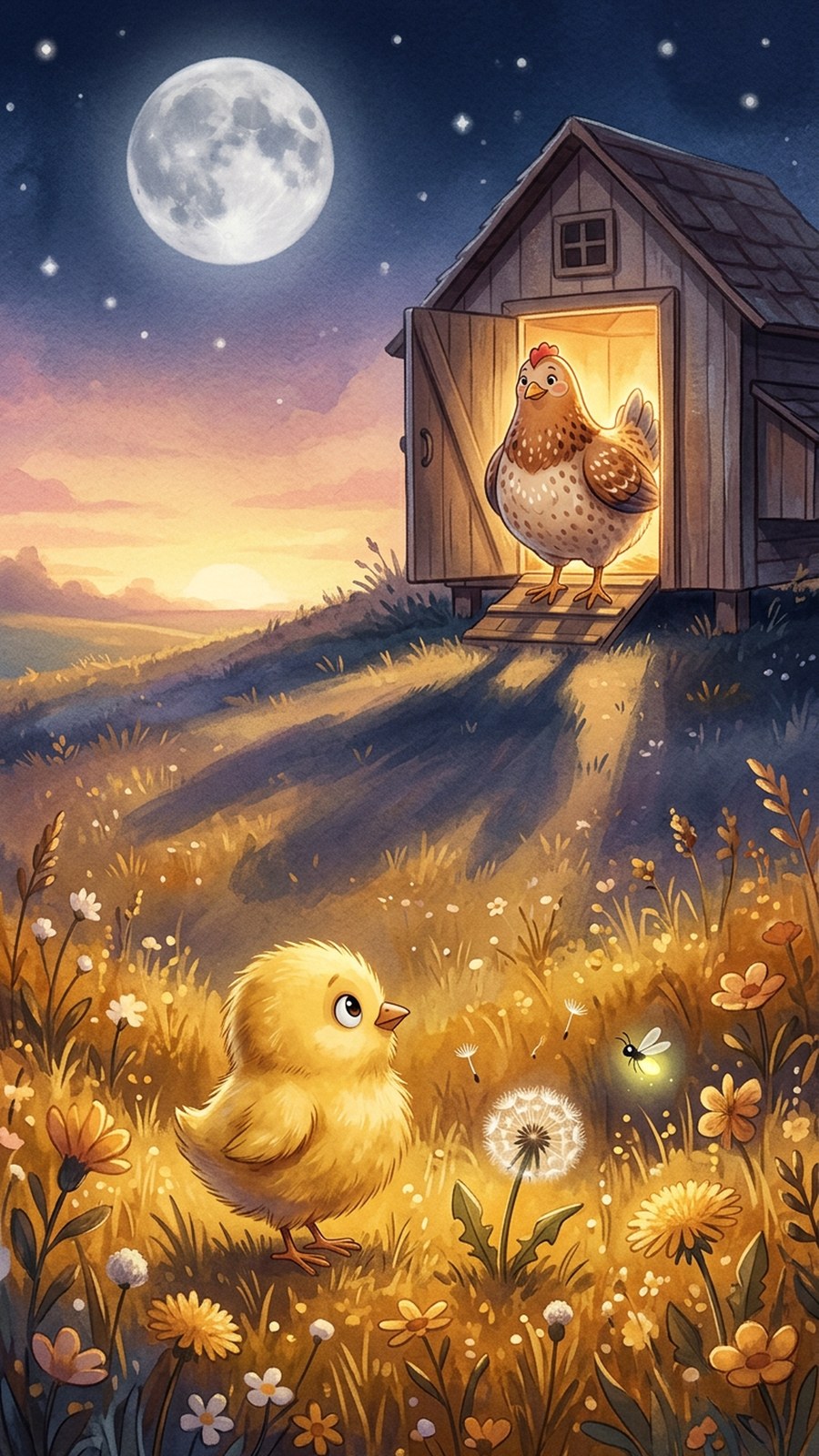
Short, simple stories with plenty of repetition are the easiest first solo reads — a child already half-knows the shape of the sentence before they reach the end of it.
Short and simple — good first solo reads


A step up, once the short ones feel easy
Once a child is comfortably reading the shortest stories alone, a slightly longer one with a clearer thread from start to finish is a natural next step — still calm enough for lights-out, with a bit more page to work through.
A little more story, once the short ones feel easy

None of this replaces reading aloud together — our guide to why reading aloud works covers what those shared minutes are still doing even after a child can read alone. For more easy, short picks, see short bedtime stories to read aloud, and for slightly older readers ready for more plot, bedtime stories for 5 to 8 year olds. Every cover in the bedtime collection shows age range and reading time up front.