

A Bedtime Routine for a 6-Year-Old: Keeping Evenings Calm When School Takes Everything
By the Wonderbin team · October 7, 2026
By six, bedtime is no longer a toddler negotiation about the bed itself. It becomes something subtler. A child who has held it together at school all day arrives home with nothing left, then discovers at 8 p.m. that they have a great deal to say, a sudden need for water and a worry about tomorrow’s spelling. A good routine for this age is still short and predictable, but it makes room for the day to come out in words before the lights go out.
Start from the morning, not the clock
Most six-year-olds need somewhere around 10 to 12 hours of sleep, and a school wake-up usually fixes the end of that window. Count back from the time they have to be up, add twenty minutes for falling asleep, and you have a lights-out time. Our bedtime-by-age guide walks through the arithmetic. If lights-out has drifted late, move it earlier in ten-minute steps over a week rather than all at once.
What a good evening looks like at six
- Keep the order the same. Bath or wash, pyjamas, teeth, story, lights. Six-year-olds enjoy being the one who knows what comes next — let them announce it.
- Give the day somewhere to go. A few minutes of “best bit, hardest bit” while they get changed does more than a direct “how was school?” at the bedroom door.
- Let them own one small piece. Choosing the story, setting the night light or laying out tomorrow’s clothes gives a child who has been told what to do all day a bit of control.
- Use a chart only if they like it. At six a simple picture list can help, but it should be theirs. See our bedtime routine chart guide for a version that does not turn into a battle.
- Stop screens early. Ending them well before the bath means the wind-down does not start from a standing start. More ideas in screen-free evenings.
The “one more thing” problem
Six-year-olds are very good at remembering things at the last moment: a worry, a question, a form that needs signing. Rather than treating each one as a stall, build a short slot for it. A “worry minute” before the story, where they can say anything that is on their mind, tends to cut the number of late calls from the bedroom. For bigger or recurring worries, helping an anxious or worried child settle at bedtime goes further.
Story time at six: still worth it
Many families let read-aloud slide once a child can read a little. It is worth keeping. A six-year-old can usually follow a plot that is more involved than a toddler’s, and being read to lets them enjoy a story they could not yet manage alone. A good compromise is to let them read a page or two to you, then you take over. On school nights, a story of around five to ten minutes keeps lights-out on time.
Shorter stories for school nights


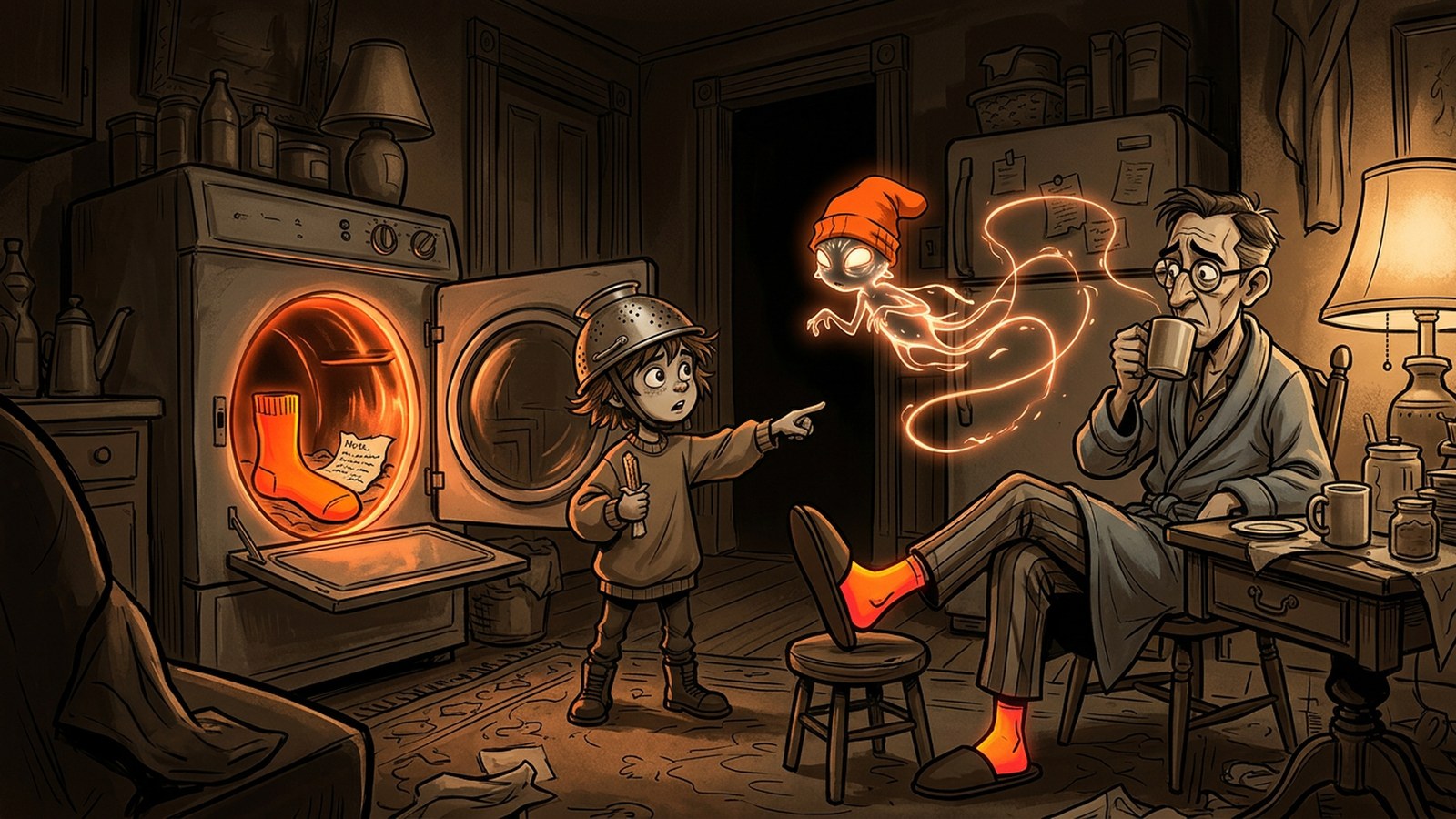
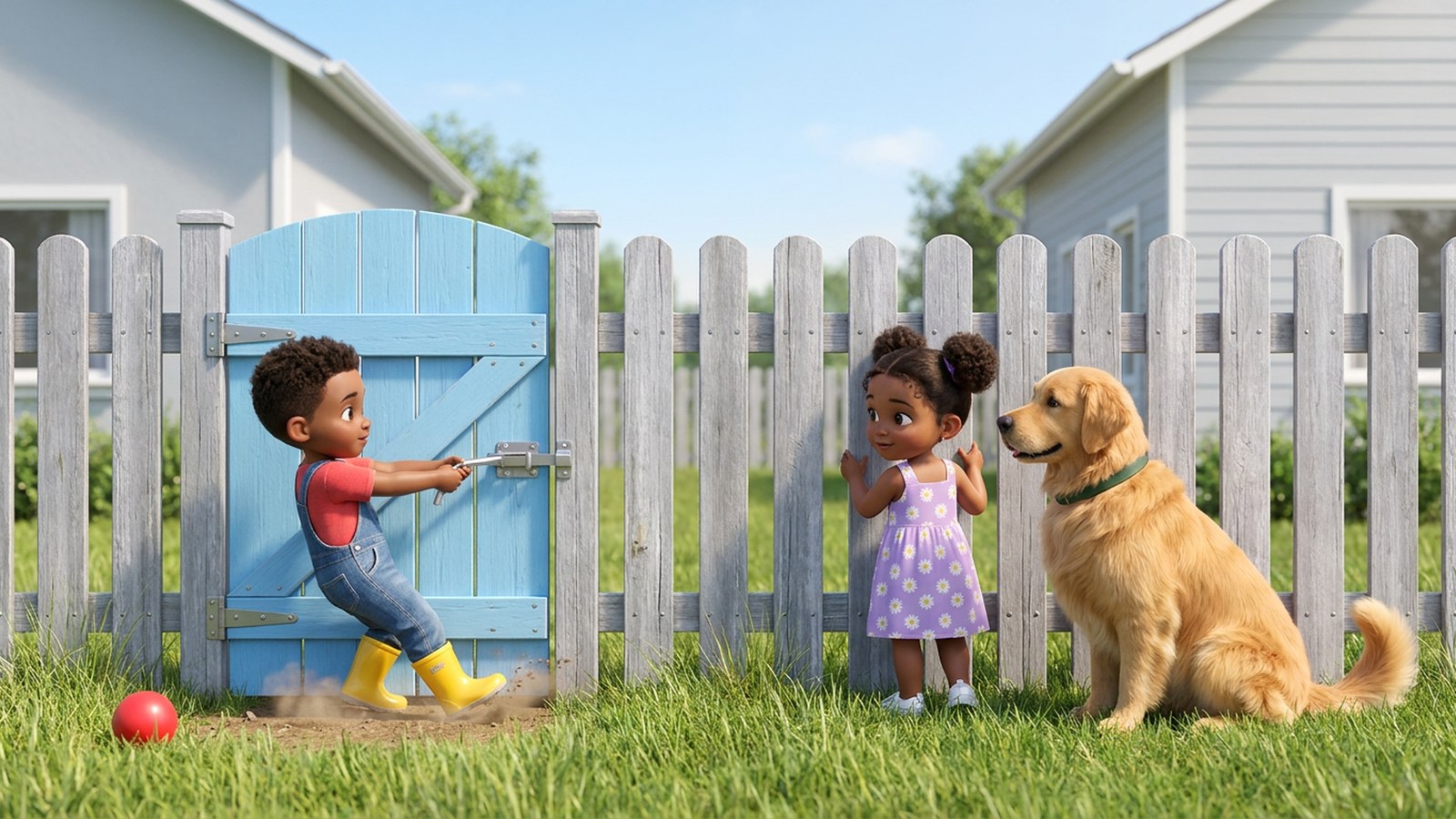
On Friday and Saturday nights, when there is no early alarm, a longer story can stretch over the evening or be split across two nights. These four are labelled 5+ and run roughly 18 to 24 minutes.
Longer stories for weekends




The routine for the year before this one is covered in a bedtime routine for a 5-year-old, and when a child starts wanting to read alone, when kids start reading bedtime stories on their own has more. Browse the full bedtime collection or the adventure collection — age range and reading time are shown on every cover.