

A Bedtime Body Scan for Kids: A Short Relaxation Script for Heavy, Sleepy Limbs
By the Wonderbin team · October 21, 2026
Some children go to bed with a quiet head and a busy body: fidgety legs, tight shoulders, a general fizz left over from the day. A body scan — a slow “check-in” that moves attention from toes to head — gives that energy somewhere to go. It takes about five minutes, needs no equipment, and slots in neatly between the last page and lights-out.
What a body scan is (and what it isn’t)
In a body scan, you invite a child to notice one part of the body at a time and let it feel soft or heavy. It isn’t a trick to force sleep, and it doesn’t need the child to stay perfectly still. Think of it as a calm, repeated sequence that tells the body the day is over. Where breathing exercises work on the pace of the breath, a body scan works on the body itself, so the two fit well together.
How to do it
- Set the scene. Lights low, child lying comfortably, eyes open or closed — whichever they prefer.
- Speak slowly and quietly. Slower than feels natural. Leave a pause of a few breaths between each part of the body.
- Use pictures, not instructions. “Your feet are warm and heavy, like sand” lands better than “relax your feet”.
- Go in the same order each night. Toes, feet, legs, tummy, hands, arms, shoulders, face. Familiarity is what makes it work.
- Keep it short for little ones. A younger child may only manage three or four body parts; that’s still a fine scan.
- Wiggling is allowed. If a body part is restless, invite it to wiggle once and then rest. Wriggling is part of how a child settles.
A short script to read aloud
Read each line slowly, with a pause after it. “Let’s tell your body that the day is finished. Start with your toes. Wiggle them once, then let them go soft. Now your feet — warm and heavy, like they’re sinking into warm sand. Your legs are heavy too, like soft logs. Your tummy rises and falls, slow and easy. Let your hands go loose, like two sleepy starfish. Your arms are heavy. Your shoulders drop, as if they’re melting down into the bed. Your face goes soft: forehead, cheeks, jaw. Your whole body is warm and still. Goodnight, toes. Goodnight, legs. Goodnight, tummy. Goodnight, head.”
Making it your own
Children often enjoy choosing the picture: a sleepy cat, a snowman gently melting, a boat rocking on a calm lake. You can tie the scan to a favourite story, too — after a tale about a quiet pond, the “heavy like a pebble in still water” image is already waiting. If a child gets self-conscious or anxious about lying still, drop the instructions and make it a game of “saying goodnight” to each body part. Pair it with a few of the bedtime affirmations if the evening has been a tough one.
What if it doesn’t seem to work?
Give it a fortnight before judging. Many children resist at first and then start to ask for it. If the scan makes a child more alert or uneasy — focusing on the body can sometimes do that — switch to a story or slow breathing instead. And if difficulty settling is persistent or tied to worry, see our guide to helping an anxious child settle.
Slow stories to read before the scan
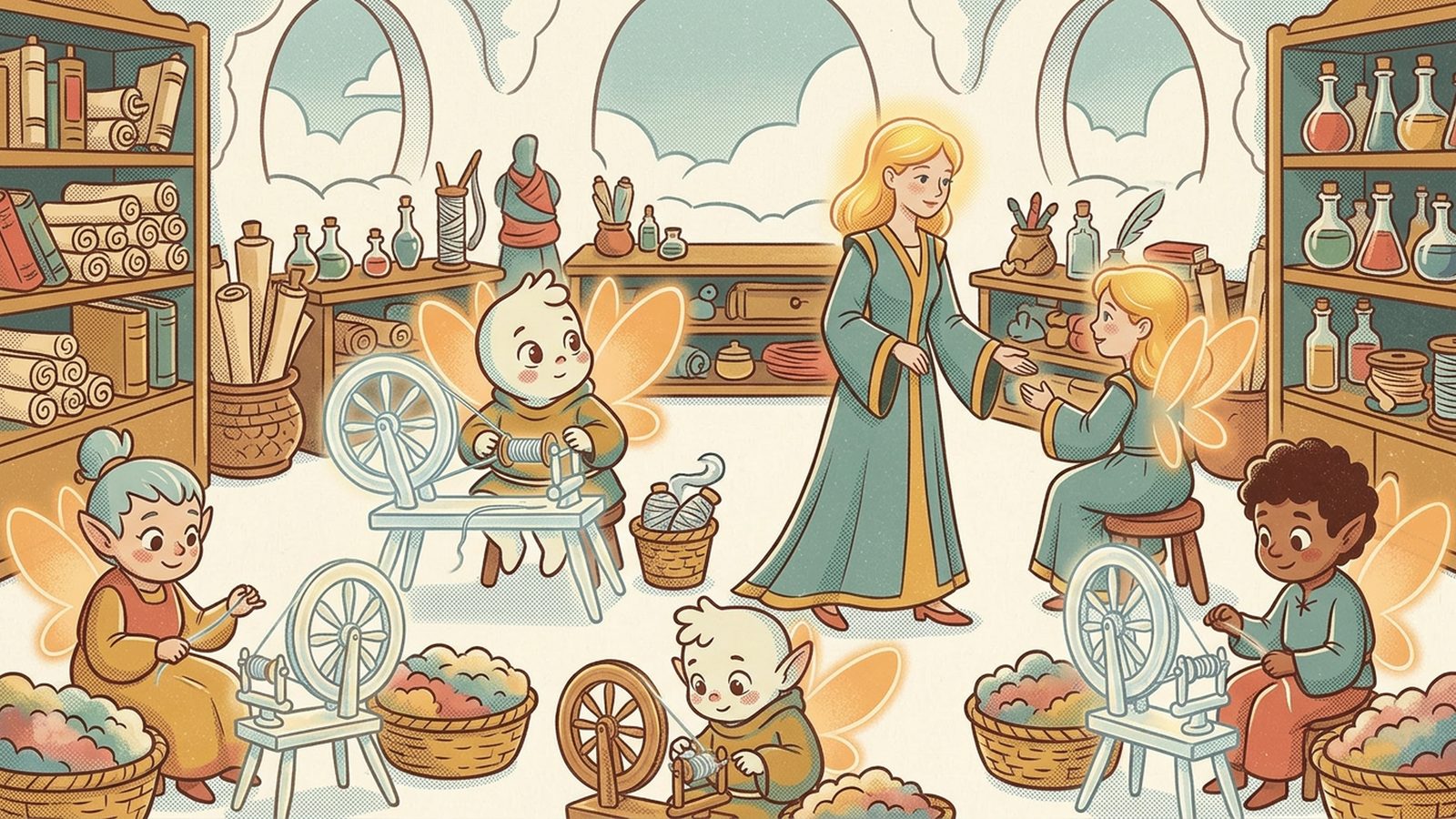
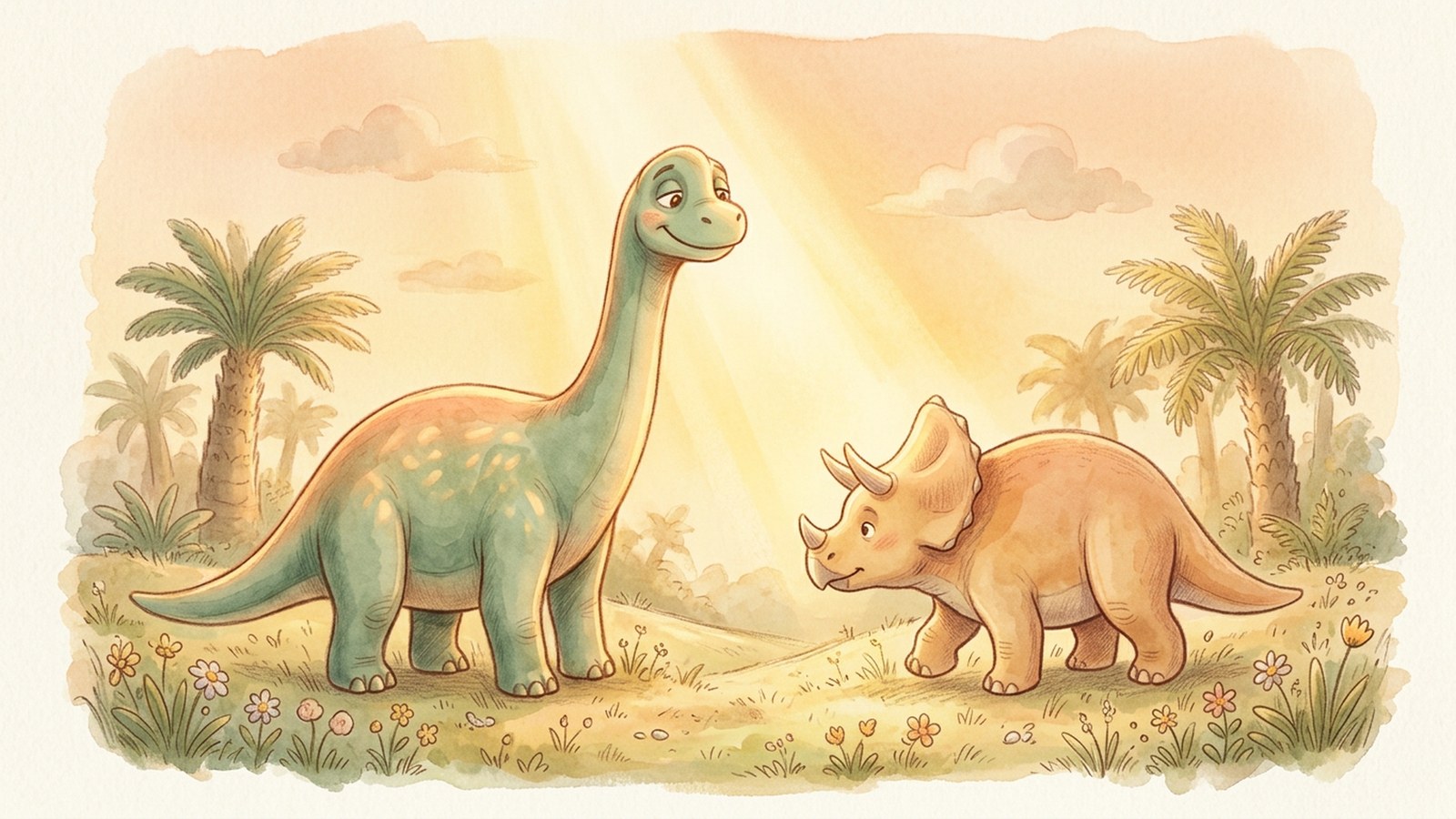

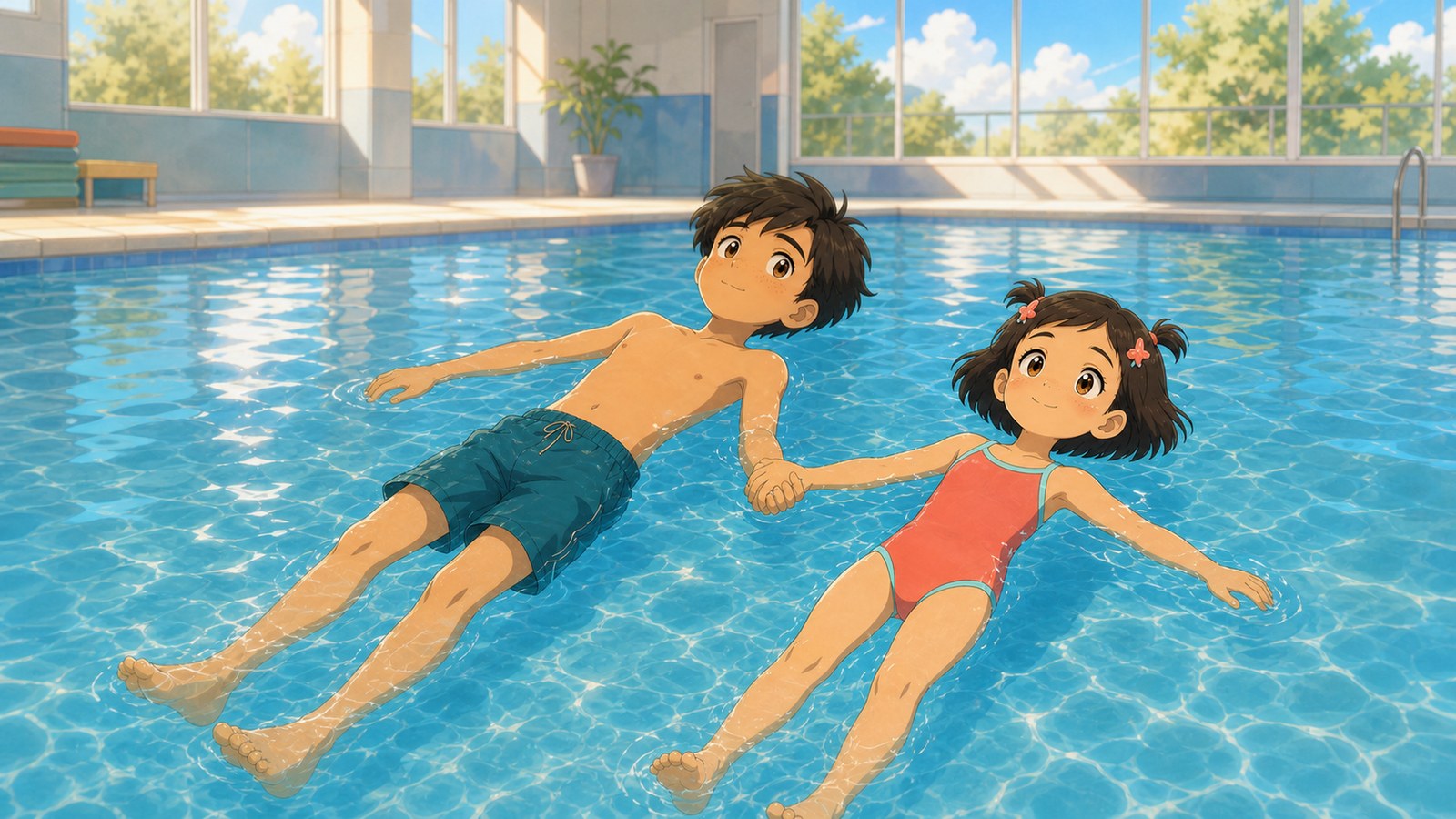

These tales have the pace of a deep breath. Dino Friends and the Soft Sunbeam follows two friends in search of the perfect nap spot, and The Cloud-Knitting Class of Nimbus Peak is a gentle tale about simplicity and rest.
Quiet stories for after lights-out
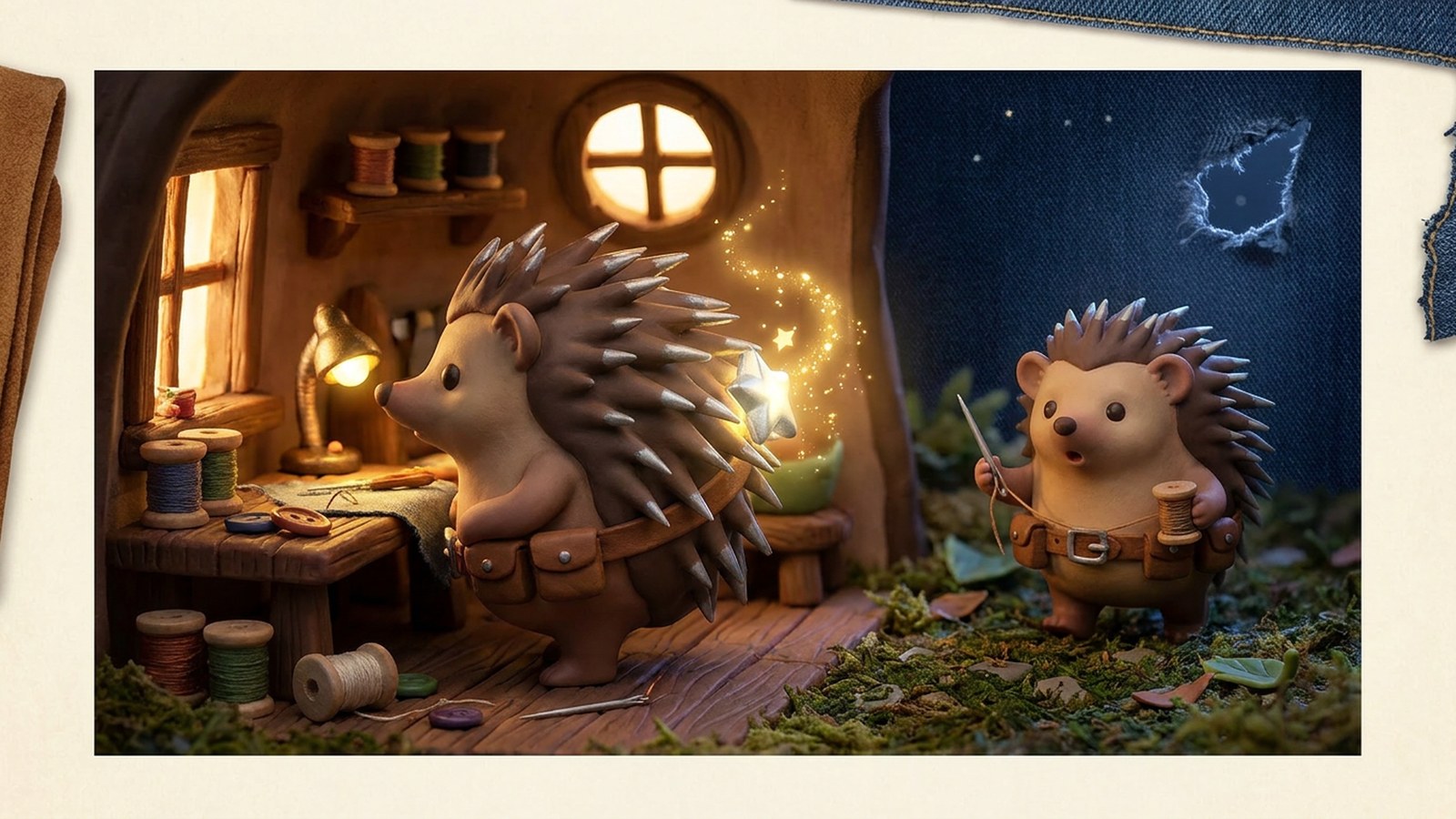
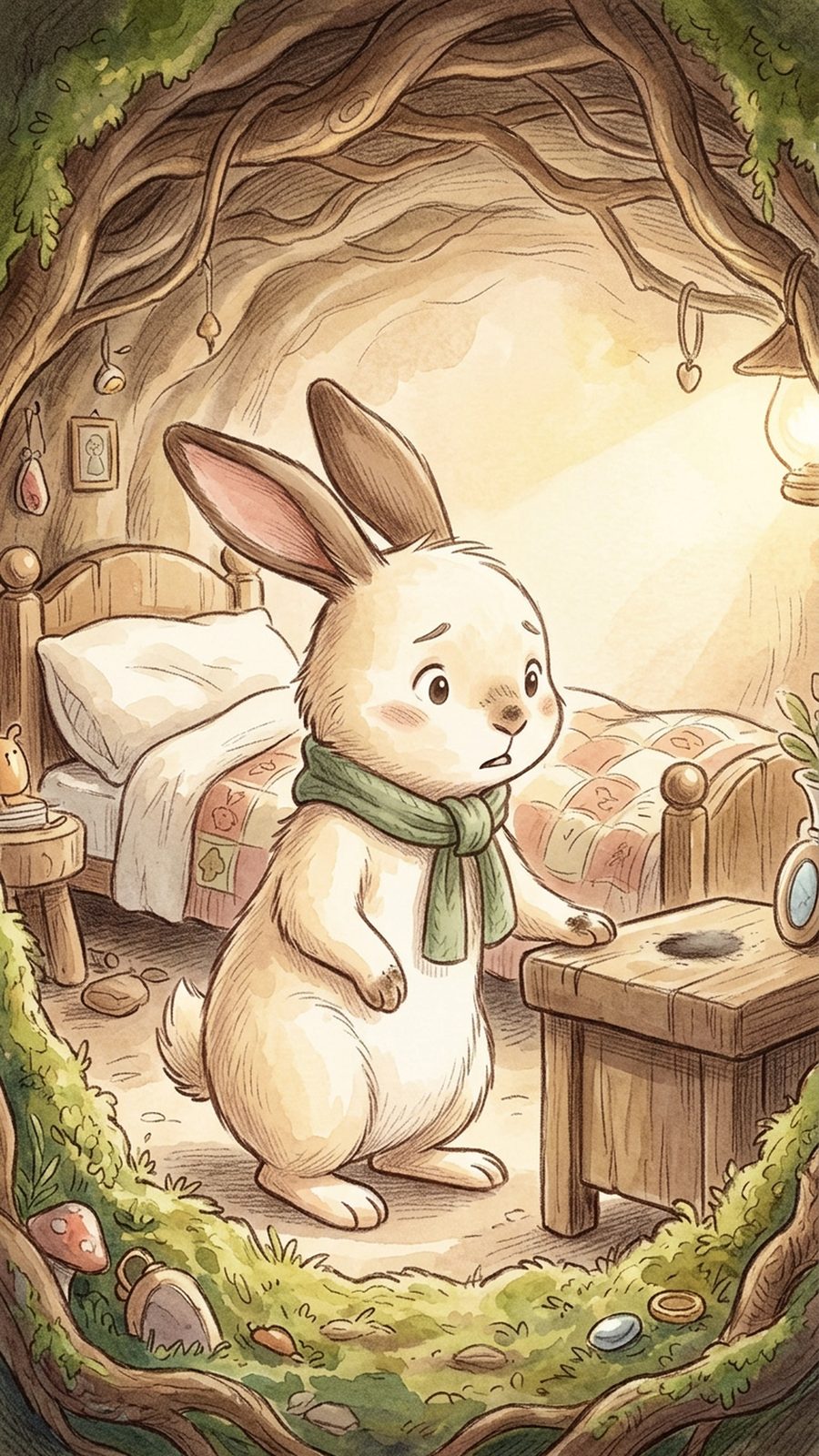



If your child likes to carry on listening after the scan, any of these will do — stillness, moonlight and lullaby are built into every one. Find more in the bedtime collection, and for the wider wind-down see how to calm a toddler before bed.