

When Your Child Can’t Sit Still for a Bedtime Story
By the Wonderbin team · September 22, 2026
Some children listen with their whole body. They roll off the pillow, stand on the bed, climb the parent, hang upside down off the edge of the mattress — and then, when you stop reading and ask what happened, tell you exactly. If that is your child, story time is not going wrong. It is going differently. The trick is to keep the ritual while giving a busy body somewhere to put itself.
Wriggling is not the same as not listening
For many young children, moving and listening happen together. A small body that has been asked to sit still all day, at nursery or school or in the car seat, often needs to release some of it before it can settle, and a story is a perfectly reasonable place to do that. It is worth paying attention to what the child can repeat about the story rather than how they look while hearing it.
What helps a restless listener
- Move first, then read. Five minutes of something heavy and slow before the story — carrying cushions, a pillow fight with rules, a few big stretches — gives the body a way to finish its day.
- Give the hands a job. Turning pages, holding a torch to light the picture, or cuddling a small toy leaves the rest of the child free to listen.
- Let them wriggle inside the routine. Sitting side by side rather than face to face, or lying flat on the bed, often works better than the classic lap.
- Act out one beat. A hop on the word “jump”, a slow spin on “waltz” — a small movement tied to the story can hold attention better than a lecture on sitting still.
- Keep it short, and end slowly. A seven-minute story that lands well is better than a fifteen-minute one that ends in a struggle. Let your voice drop and your pace slow down over the last page.
- Skip the correction. Repeated “sit down” and “listen” often turns a story into a small argument. If nothing is at risk, let the wriggle go.
Choose stories with something to move to
Stories with a rhythm, a dance, a chase or a repeating pattern give a wriggly child something to follow with their body as well as their ears. Save these for the first half of the routine, when there is still some energy in the room.
Stories with a beat, a dance or a jump

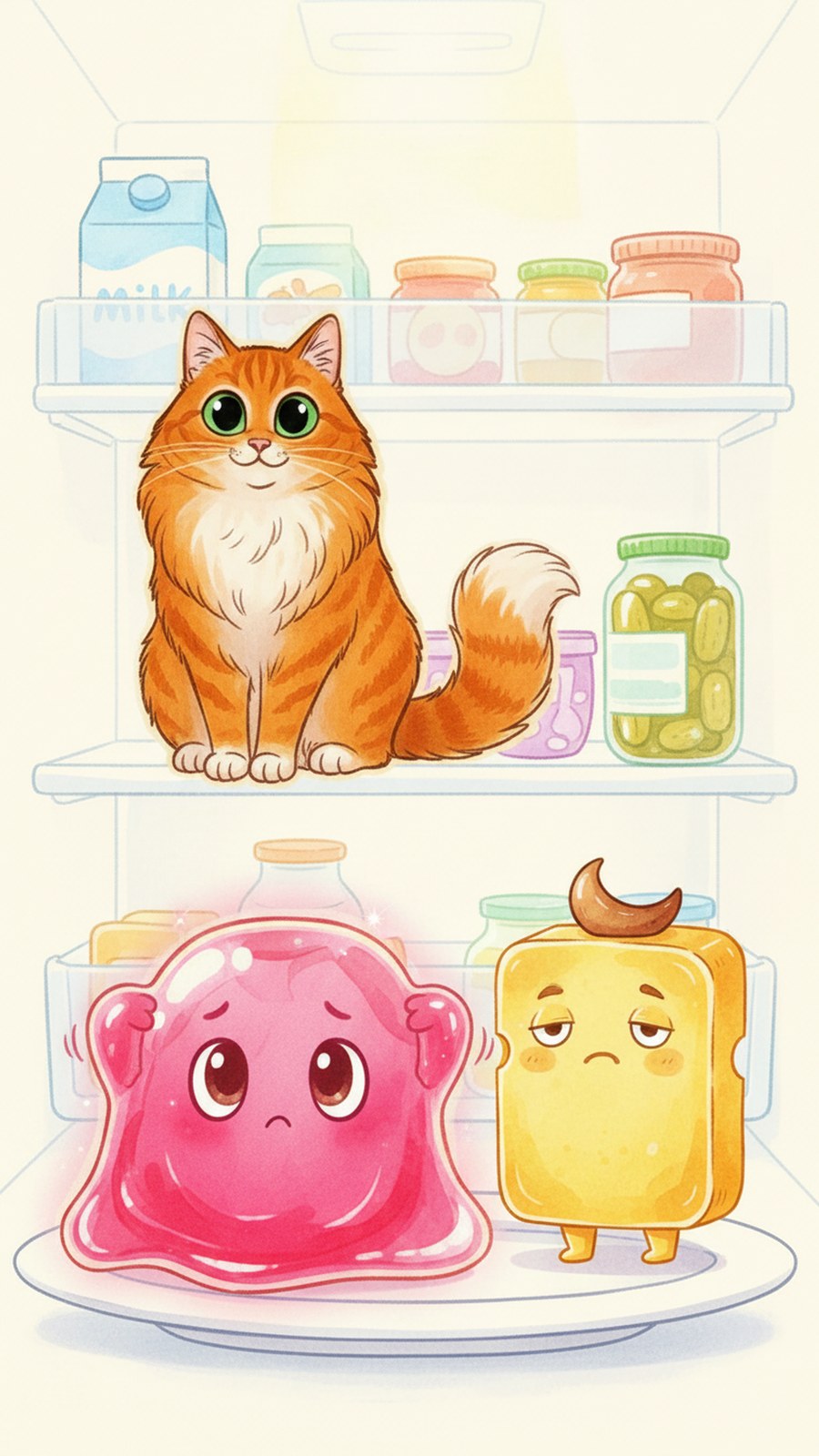

For the nights that are very short
On the evenings when nothing will hold, choose the shortest story you have. A four-minute story finished with a settled child is worth more than a longer one abandoned halfway through.
Short enough to finish before the wriggles win


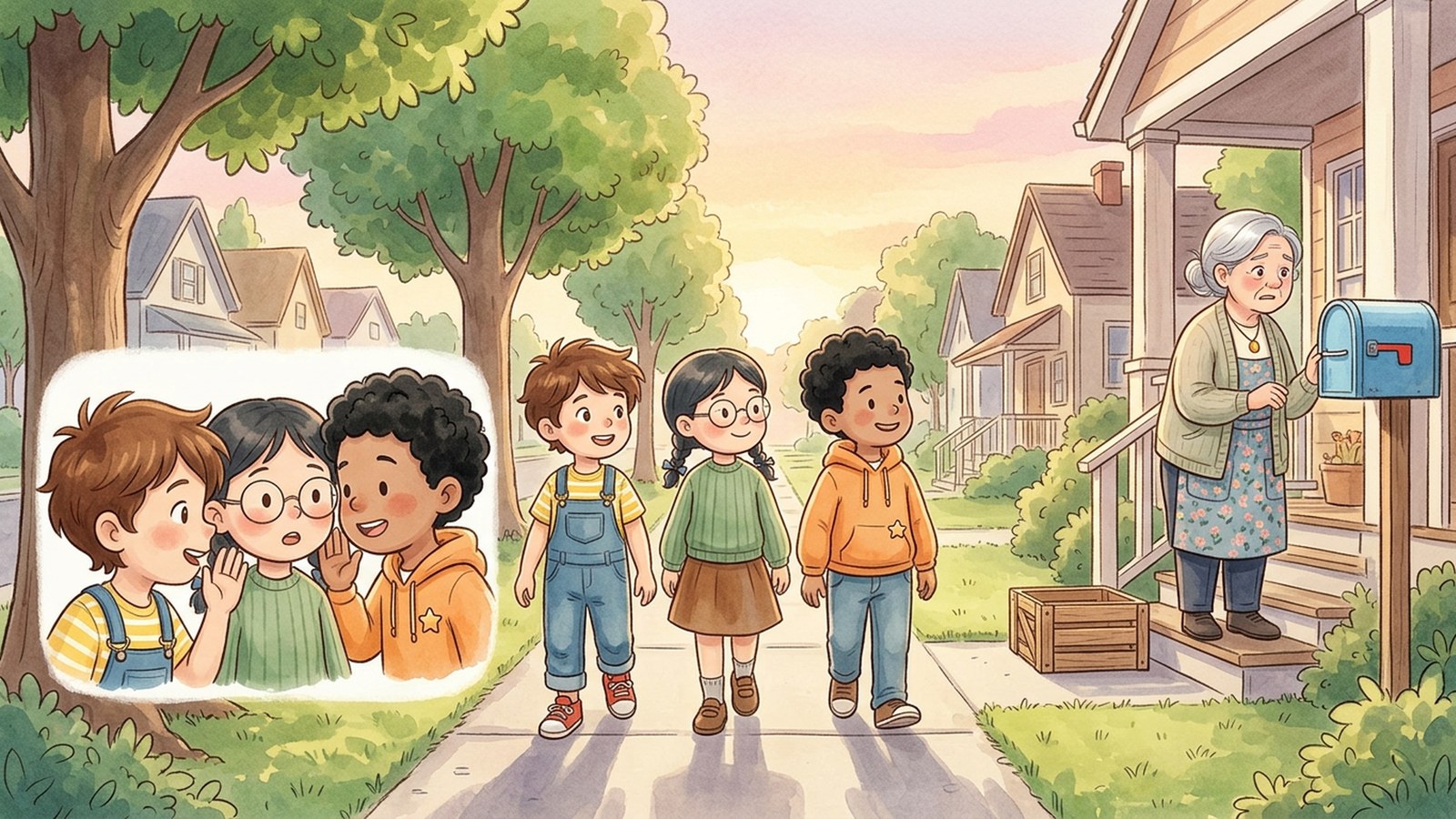
Ending in stillness
Once the body has finished moving, a slower story is the natural last one — something with a soft pace and a gentle ending, read low and unhurried.
Slower stories to land on


If the restlessness looks bigger than an active child at the end of a long day — for instance, if a child is often overwhelmed by noise, light or touch — our guide to a sensory-friendly bedtime routine may help. For a child who is turning the story down altogether, see when your child says no to the bedtime story, and find more in the bedtime collection.